


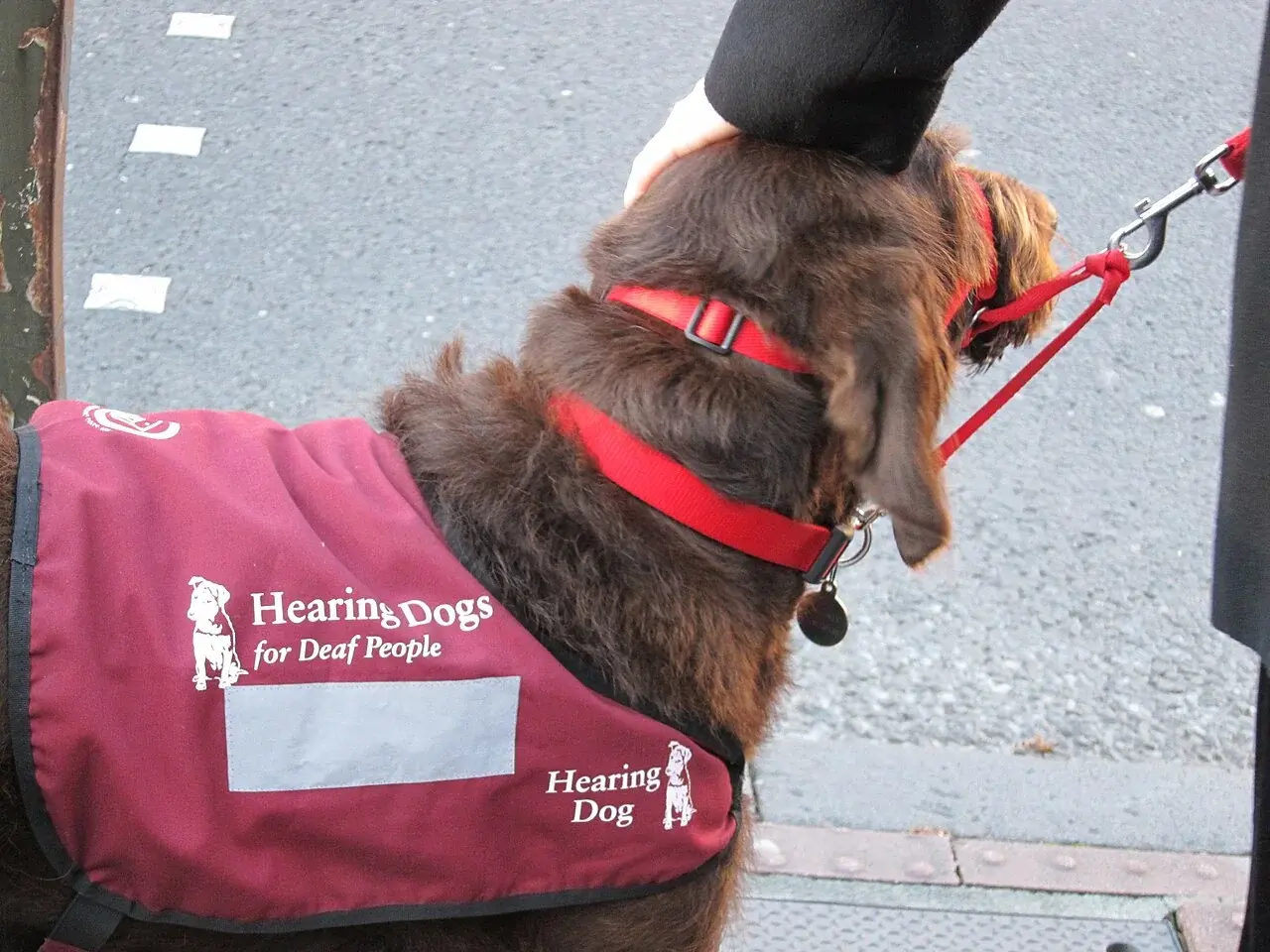
 Photograph
Blowing Puffer Fish · CC BY 2.0
Hero Dogs
Alert Ears and Wagging Tails: How Hearing Dogs Help Their Partners
A dog-focused look at the training and daily work of hearing dogs, drawn from one UK charity’s own descriptions.
All the News That's Fit to Bark!
A real Alpine dog whose reputation grew from hospice service, even though detailed rescue records were never kept.
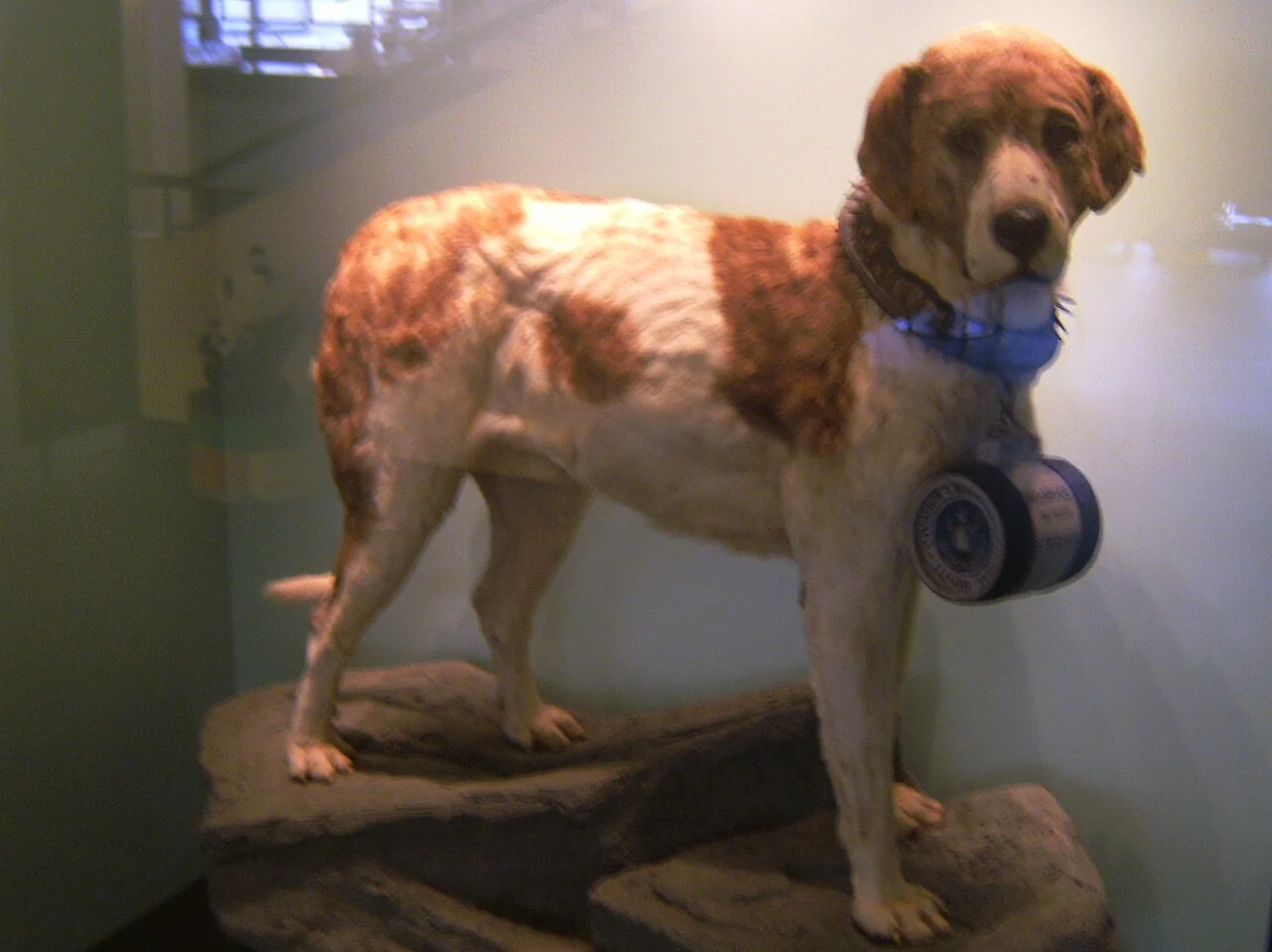
Taxidermied Barry on display at the Natural History Museum Bern (photograph of historic artifact) Zenit · CC BY-SA 3.0 · Web size optimized; source linked for the original.
Barry lived at the Great St. Bernard Hospice in the early 1800s and became one of the most famous dogs associated with the pass. Documents from the hospice mention mountain dogs as far back as 1695 and 1707. Barry himself arrived around 1800, stayed until 1812, and then lived in Bern until his death in 1814. While stories credit him with saving more than 40 lives, the hospice did not keep itemized records of individual dogs’ rescues. The number is traditional rather than documented case by case. His life still offers a window into the hard work of hospice dogs in the Alps, and his preserved body can still be seen today. This article looks at what the available sources actually say, what remains uncertain, and why Barry’s story continues to charm people who care about working dogs.
Hospice archives contain references to mountain dogs from the late 1600s. A document from 1695 and a memo written in 1707 both mention the presence of these sturdy dogs. Their main job was to help monks and travelers navigate the dangerous Great St. Bernard Pass, especially in deep snow. The dogs were not pets; they were working animals expected to alert the monks when people were lost or buried and sometimes to guide travelers safely down the mountain.
By the time Barry arrived in 1800 the use of these dogs was already well established. The monks did not write down every single rescue performed by every single dog. This absence of detailed logs means modern readers cannot verify specific numbers of lives saved by any one animal. Still, the consistent mention of the dogs in hospice papers shows they formed a regular and valued part of the rescue system long before Barry’s time. Their role combined practical help with a comforting presence for exhausted travelers.
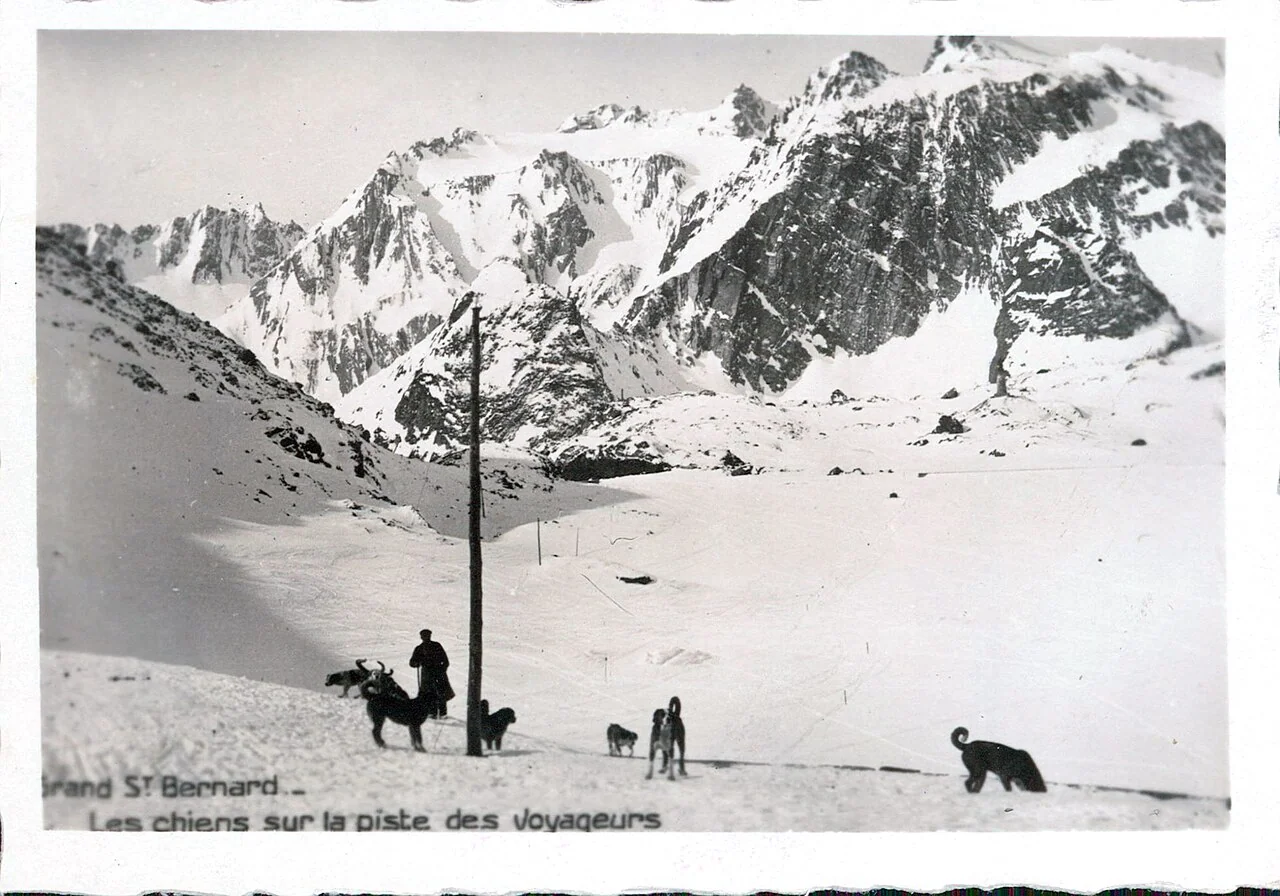
Barry lived at the hospice from 1800 until 1812. In 1812 a monk brought him to Bern, where he spent his final two years. He died there in 1814 at the age of about fourteen. These dates come from hospice records and later confirmation given in 1866 by an elderly prior to a researcher named Heinrich Schumacher. The timeline is therefore reasonably solid even if the day-to-day details of his work are not.
During his twelve years at the pass Barry would have taken part in the routine patrols and searches that all the hospice dogs performed. The terrain is steep, the weather often brutal, and avalanches a constant threat. A dog of Barry’s size and coat could move through snow more easily than a person and could scent or hear people in difficulty. Yet because the monks kept no per-dog rescue logs, we cannot list specific incidents or victims. The traditional figure of more than forty rescues is widely repeated but remains legendary rather than proven by primary documents from 1800–1814.
Popular tales claim Barry once carried a small child on his back to safety and that he met his end while attempting a forty-first rescue. The Saint Bernard Club of America notes that the story of Barry being killed by a soldier he was trying to help is a fable. The Natural History Museum in Bern likewise labels both the high rescue count and the dramatic death as legend. These stories add color and drama, but they are not supported by the hospice archives.
It is worth asking why the legends grew so quickly. A big, gentle-looking dog working in one of Europe’s most dangerous mountain passes makes an ideal hero. The monks may have encouraged the tales because they drew attention and donations to the hospice. For modern readers the gap between legend and record is a useful reminder that animal-welfare history often mixes fact with affectionate exaggeration. Barry’s real contribution was steady, unglamorous service alongside many unnamed dogs whose efforts are even less documented.
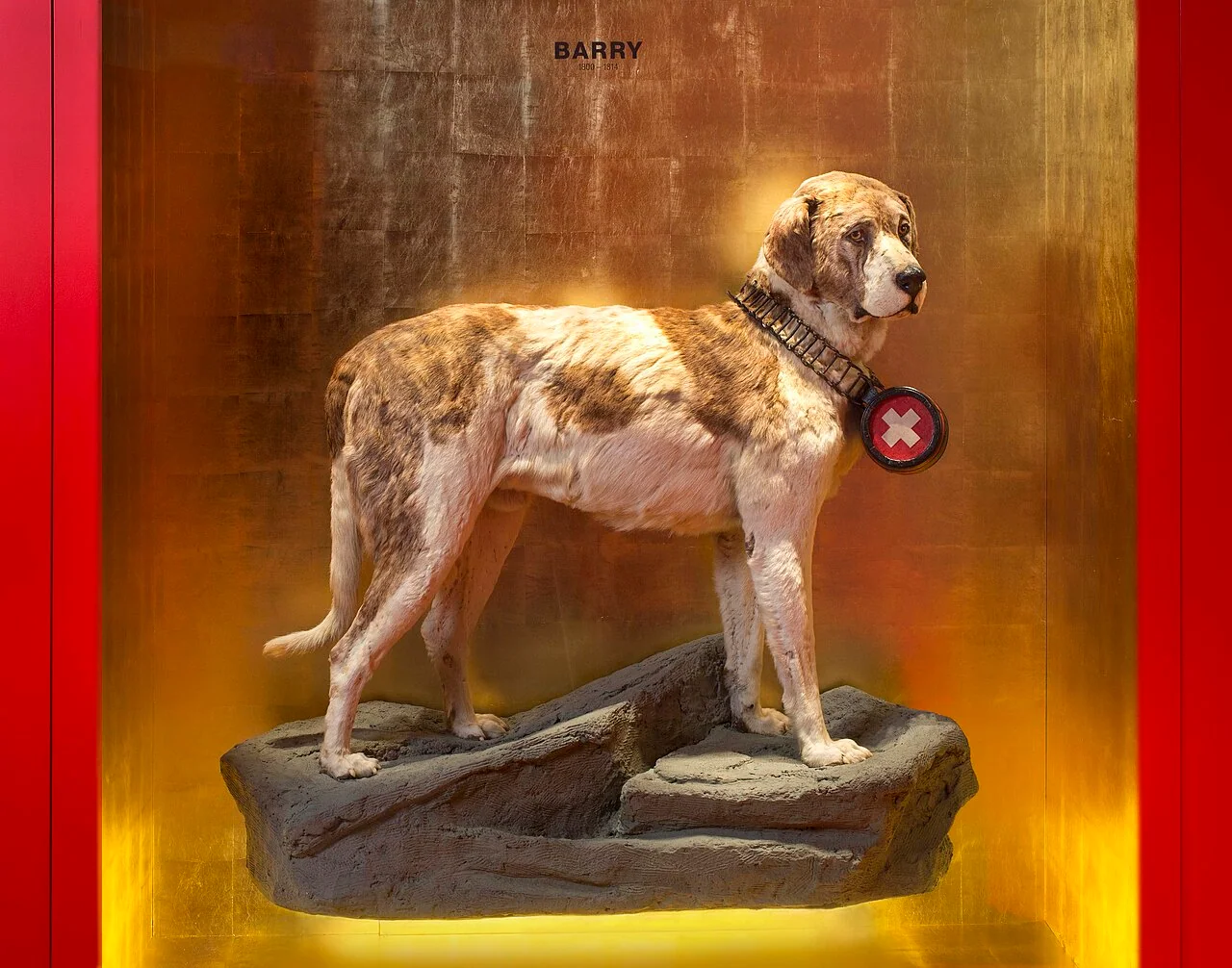
Barry is described as the basic ideal type for the smooth-coated hospice dog that later helped shape the modern St. Bernard breed. His appearance—strong build, short coat, and friendly face—became the standard many breeders aimed for. After his death his body was taxidermied and placed on exhibition, first in Bern and later moved to the Natural History Museum. Visitors can still see the actual dog, which gives the story a tangible link to the past.
The transition from working animal to breed foundation is interesting but also raises gentle questions about animal welfare. The hospice dogs lived outdoors in harsh conditions and were expected to risk their lives in snowstorms. Today’s St. Bernards are rarely asked to perform the same mountain rescues; most live as companion animals. Barry’s fame helped popularize the breed, yet it is fair to wonder whether the romantic image sometimes hides the real physical cost paid by the original working dogs.
When you read about Barry, useful questions arise. How much of a famous animal’s story is verifiable versus inspirational? What responsibilities do we have toward working breeds whose ancestors faced real danger? The hospice’s decision not to keep individual rescue logs was practical for 19th-century monks, but it leaves today’s historians and dog lovers with uncertainty. That uncertainty does not erase the dogs’ genuine service; it simply asks us to be honest about what we can and cannot prove.
The light humor in Barry’s story often comes from the contrast between his heroic image and the more ordinary truth of a dog doing his job in brutal weather. Imagining Barry rolling his eyes at yet another dramatic retelling of the “forty-first rescue” is pure fiction, of course, but it keeps the tale from becoming too solemn. In the end, Barry represents a long line of unnamed mountain dogs who helped travelers survive the Alps. Their legacy is safer travel and a beloved breed, even if the exact numbers will always remain part of legend rather than ledger.
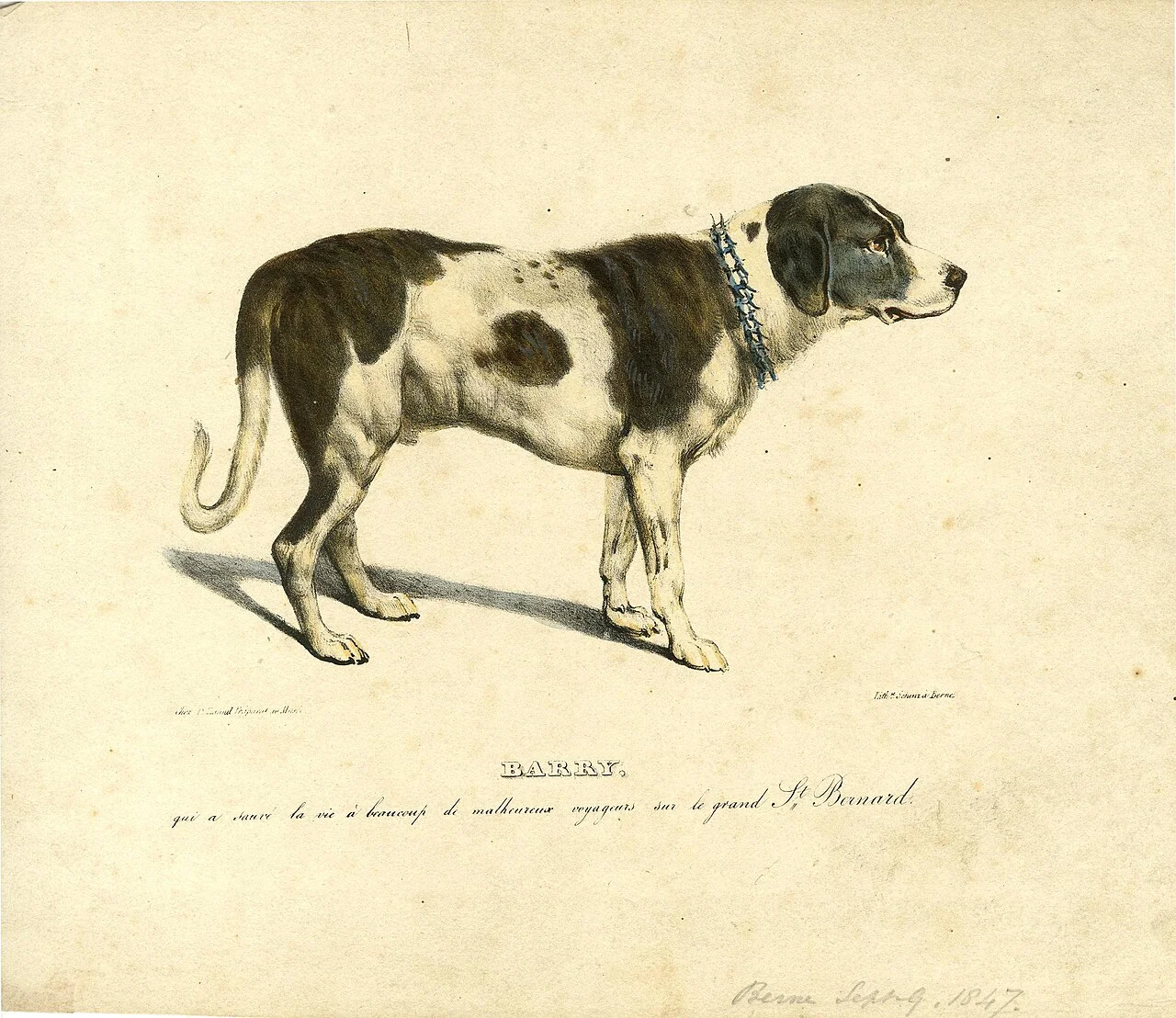
AI-assisted original writing. This feature was revised against source material and checked for unsupported claims. Follow the references below for evidence and its limits.
PhotographBlowing Puffer Fish · CC BY 2.0
A dog-focused look at the training and daily work of hearing dogs, drawn from one UK charity’s own descriptions.
 Photograph
A look at coordinated Swiss rescue operations that include avalanche dogs, drawn from limited public descriptions of specialist teamwork.
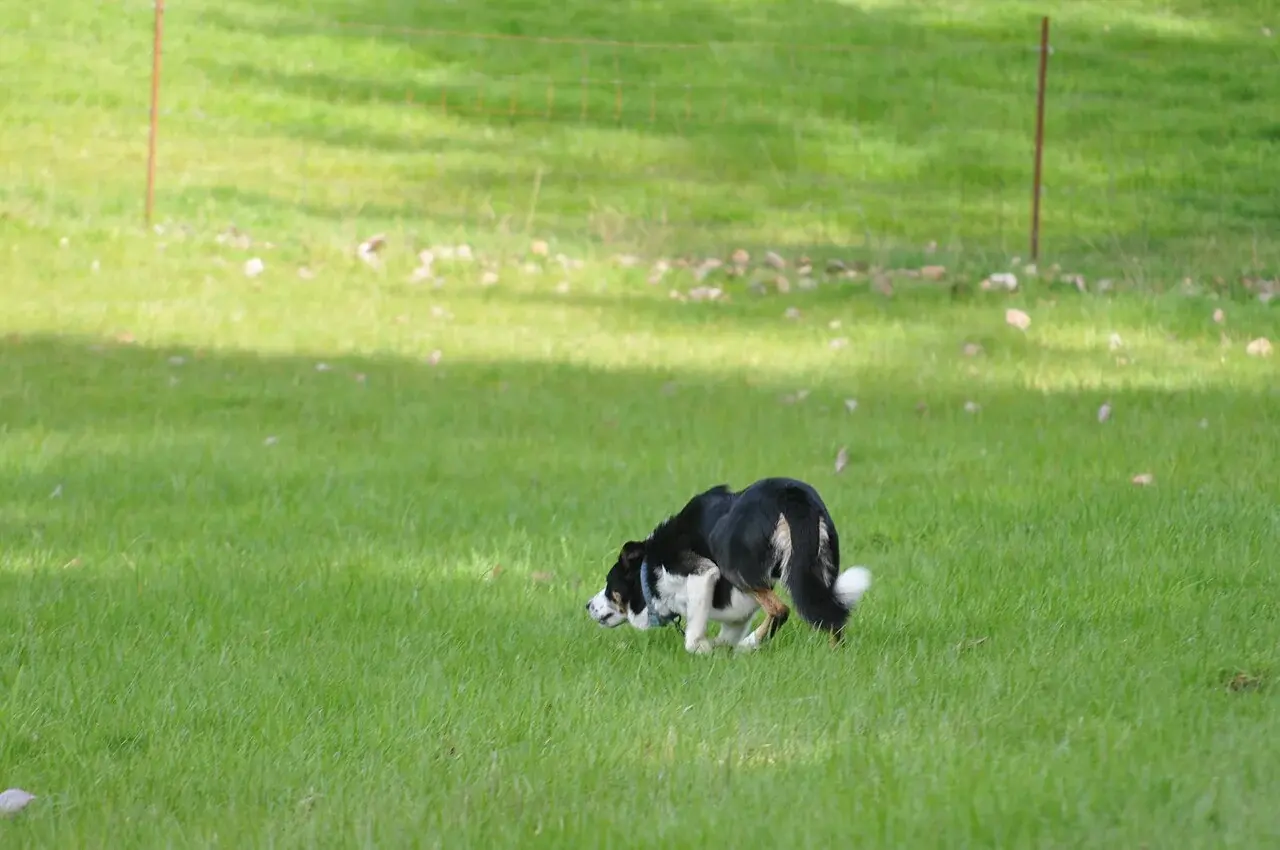
University of Sydney veterinary studies highlight how working dogs contribute to livestock health, pain management, and one-welfare approaches on vast pastoral operations.