


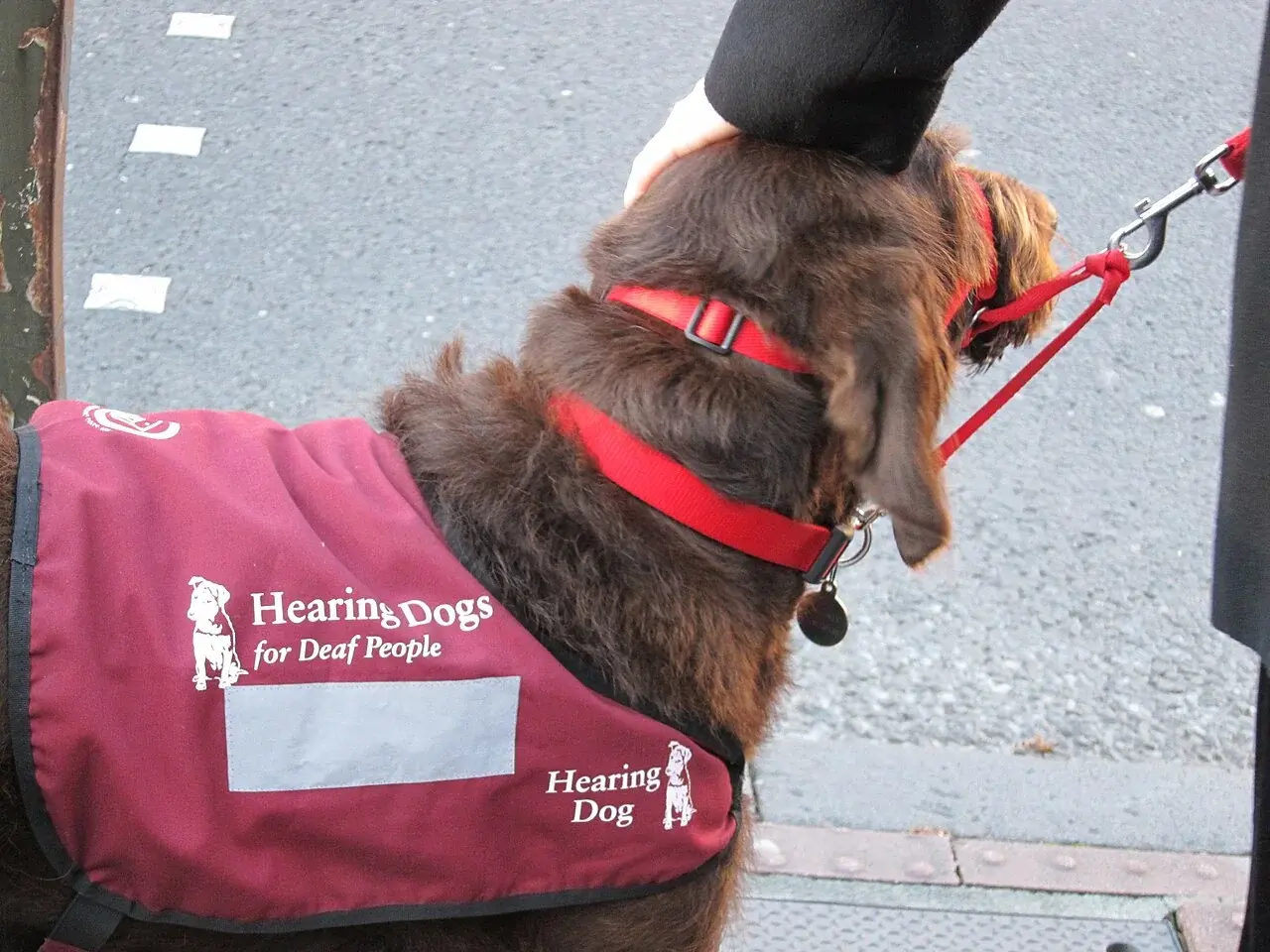
 Photograph
Blowing Puffer Fish · CC BY 2.0
Hero Dogs
Alert Ears and Wagging Tails: How Hearing Dogs Help Their Partners
A dog-focused look at the training and daily work of hearing dogs, drawn from one UK charity’s own descriptions.
All the News That's Fit to Bark!
In 1928, a German shepherd originally named Kiss became Buddy and helped launch guide dog work in America after training at a Swiss center with her blind partner Morris Frank.
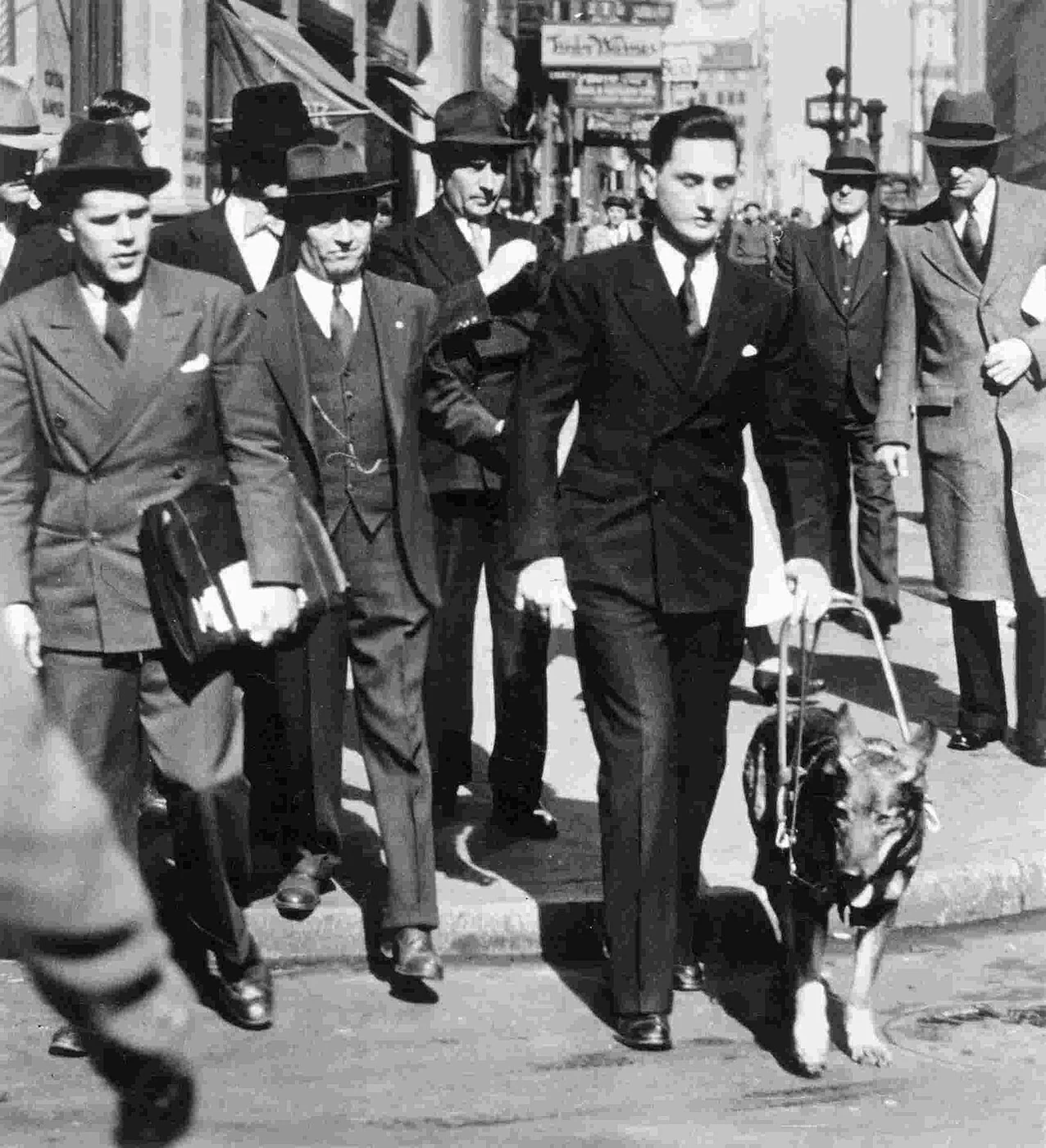
Archival photograph of Morris Frank crossing a busy New York street with his guide dog Buddy in 1928 Unknown authorUnknown author · Public domain · Web size optimized; source linked for the original.
When Morris Frank returned from Switzerland in 1928 with a German shepherd at his side, he carried more than a companion. He brought a practical method for greater independence that would eventually spread across the United States. The dog, first called Kiss and renamed Buddy by Frank, had been prepared at Dorothy Harrison Eustis’s Fortunate Fields facility in Vevey. Their public demonstrations in New York City showed that a well-trained dog could safely guide a blind person through busy streets. This partnership, rooted in European approaches adapted for American conditions, laid groundwork for what became The Seeing Eye organization.
Morris Frank learned about guide dogs after a friend read him a 1927 Saturday Evening Post article by Dorothy Harrison Eustis. The piece described work with blinded World War I veterans in Germany. Frank wrote to Eustis expressing his interest in a dog and his willingness to start a school in the United States. This correspondence led to his journey to Switzerland. On April 25, 1928, Frank arrived in Vevey and spent the next five weeks training with the dog under instructor Jack Humphrey at the Fortunate Fields center.
The German shepherd selected for Frank had been born on October 15, 1926, in Vevey. Originally named Kiss, she received the new name Buddy from Frank. Their joint training focused on building coordination so that the dog could respond reliably to urban hazards. After completing the program, Frank and Buddy sailed back to the United States. They arrived in New York City on June 11, 1928. Reporters there challenged whether a dog could truly guide a blind man. Frank and Buddy responded by demonstrating a safe crossing of a busy and dangerous street.
Dorothy Harrison Eustis had established her training center in Switzerland after observing German methods developed for veterans. The Fortunate Fields approach emphasized careful selection of dogs for temperament, health, and focus. Instructors evaluated candidates for steady nerves and willingness to work before advancing them. Training progressed from basic commands in calm settings to more demanding real-world scenarios involving traffic, crowds, and distractions.
A key element involved teaching the dog to take responsibility for the handler’s safety. Rather than following every verbal direction without question, the dog learned to stop at curbs, assess traffic gaps, and refuse unsafe commands. This concept, later called intelligent disobedience, allowed the animal to override a mistaken instruction from the handler. Frank and Buddy practiced together so that he could interpret her body language and she could anticipate hazards. The official organizational accounts describe this period as central to preparing the first American partnership.
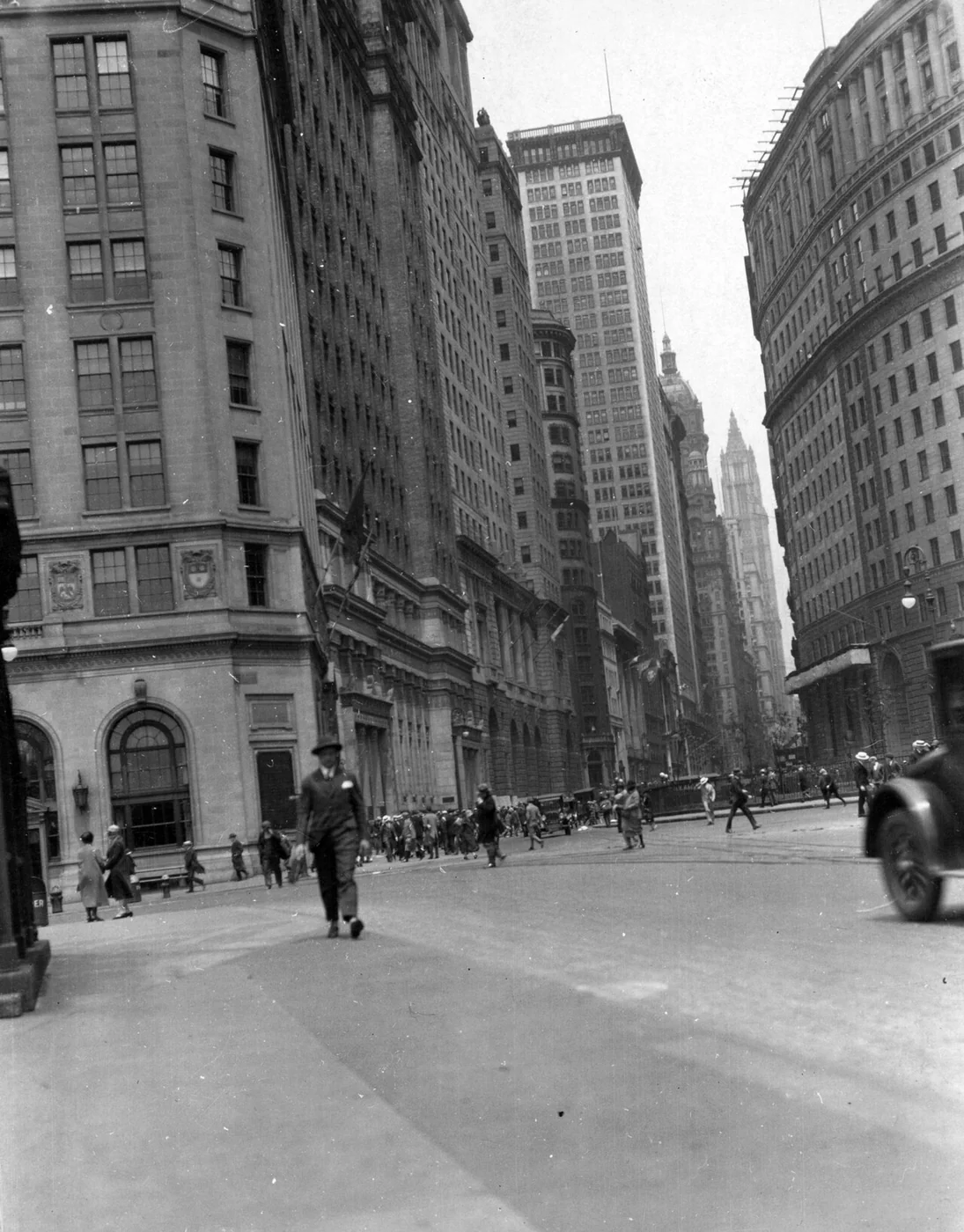
Once back in the United States, Buddy and Frank faced the immediate test of Manhattan’s streets. They navigated congested areas including Broadway during busy theater-hour traffic. Buddy stopped at curbs, judged openings in vehicle flow, and maintained a steady pace amid noise and activity. Early organizational writings recall these walks as vivid proof that the Swiss-derived methods could function in American cities.
Observers noted the dog’s ability to ignore distractions such as street vendors and passing horses, which were still part of the 1928 urban scene. Frank learned to trust Buddy’s judgment while staying attentive to her signals. Their visible success in daily routes helped shift public perception. What began as skepticism from reporters turned into interest as the pair moved confidently past construction debris, parked vehicles, and crowded sidewalks. These practical demonstrations formed an early public case for guide dogs.
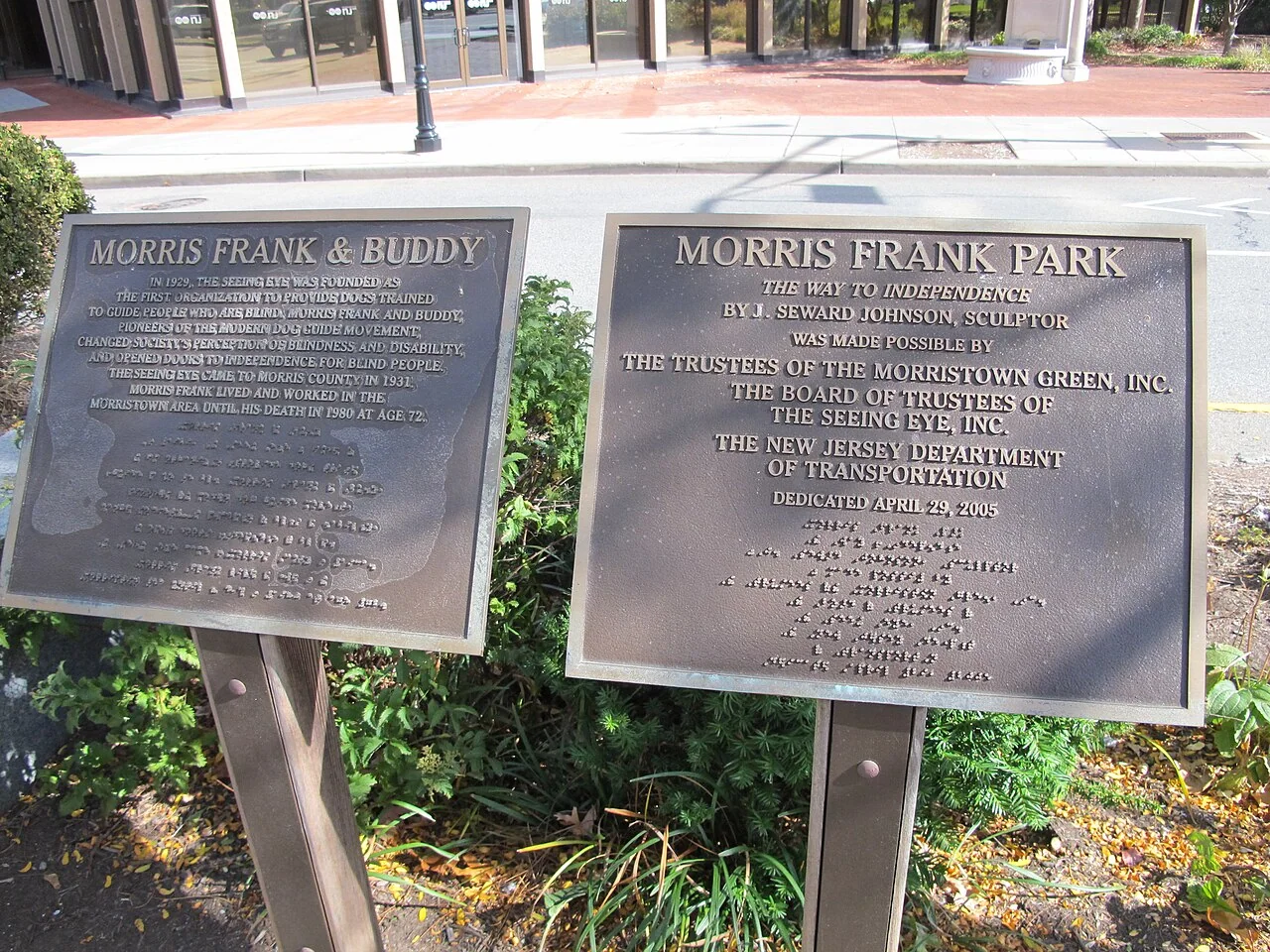
The partnership directly supported the creation of a formal school. The Seeing Eye was incorporated on January 29, 1929, in Nashville, with Morris Frank and Dorothy Harrison Eustis as co-founders. Frank devoted years to advocating for acceptance of guide dogs in hotels, transportation, and other public spaces. Buddy’s example helped establish the idea that a trained dog could serve as a working partner rather than simply a pet.
Subsequent programs expanded on the same selection and training principles. The early emphasis on temperament testing, gradual exposure to challenges, and the dog’s responsibility for safety remained foundational. Organizational histories present Buddy as the first in a long line of guide dogs that increased mobility and independence for people who are blind. Frank’s declaration that Buddy represented his “Declaration of Independence” captured the personal and practical significance of their bond.
The documented events of 1928 invite reflection on the value of methodical preparation and mutual trust between human and animal. Frank’s willingness to travel overseas and commit to five weeks of intensive training underscores the effort required to build a reliable team. Readers might consider how that same patience applies to any partnership that depends on clear communication and consistent practice.
The account also raises useful questions about animal welfare in working roles. Official sources emphasize health checks, balanced routines, and attention to physical condition. While modern standards have evolved, the core idea that a dog’s well-being supports effective performance remains relevant. This history, presented through The Seeing Eye’s own records, offers a grounded example of one early success rather than a universal blueprint. It reminds us that real change often begins with individual determination tested in ordinary but demanding environments.
AI-assisted original writing. This feature was revised against source material and checked for unsupported claims. Follow the references below for evidence and its limits.
PhotographBlowing Puffer Fish · CC BY 2.0
A dog-focused look at the training and daily work of hearing dogs, drawn from one UK charity’s own descriptions.
 Photograph
A look at coordinated Swiss rescue operations that include avalanche dogs, drawn from limited public descriptions of specialist teamwork.
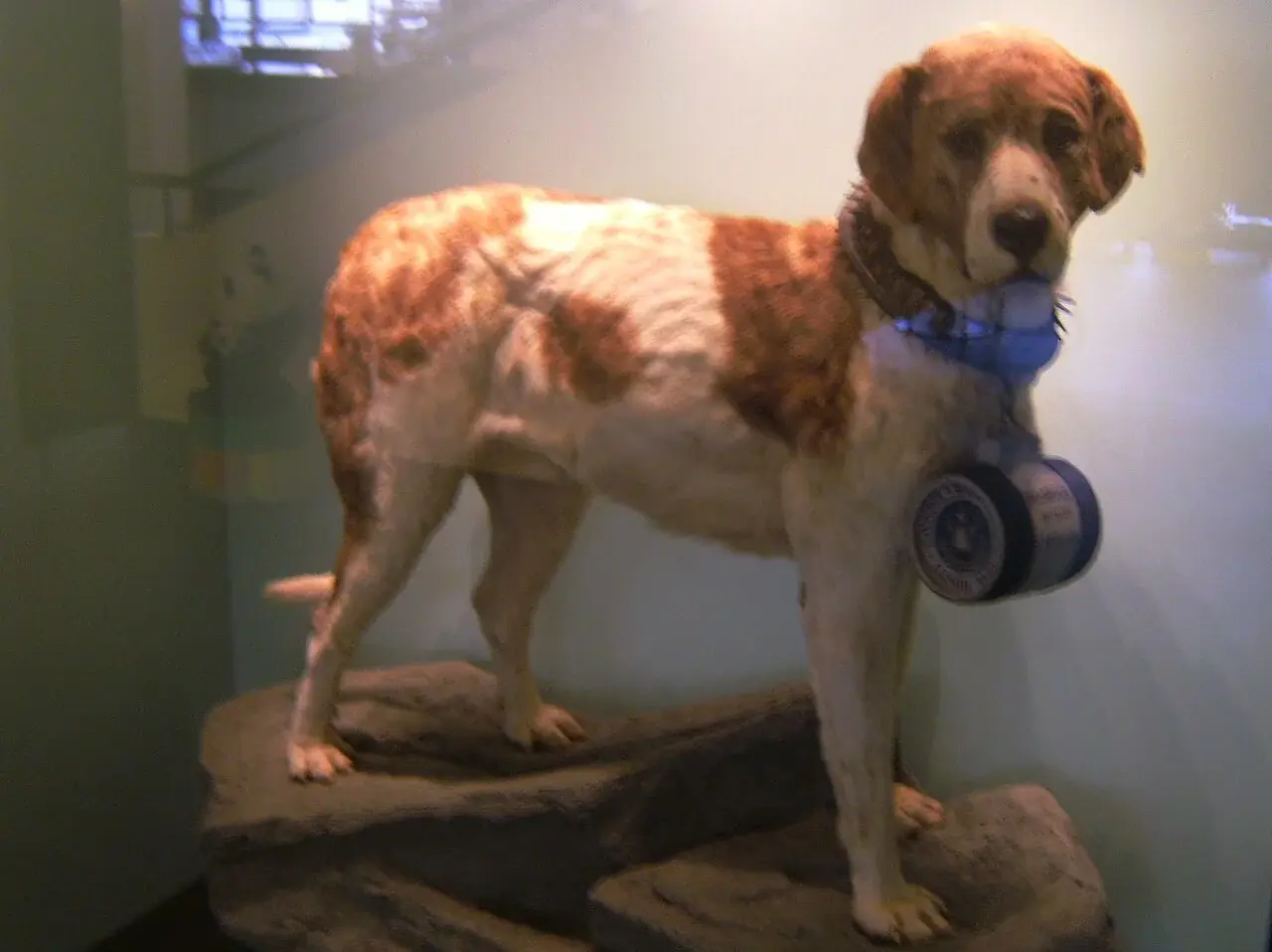
A real Alpine dog whose reputation grew from hospice service, even though detailed rescue records were never kept.