


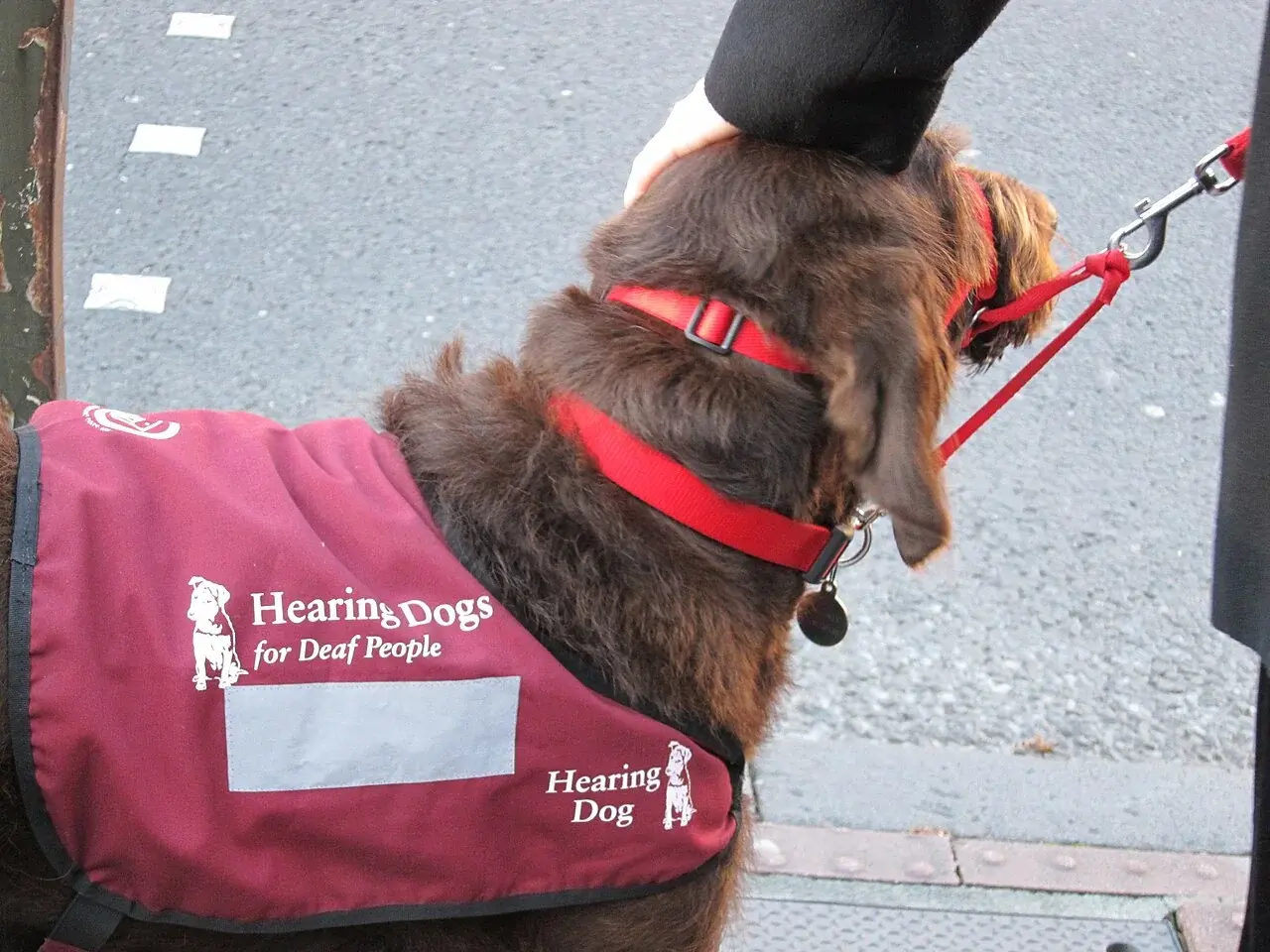
 Photograph
Blowing Puffer Fish · CC BY 2.0
Hero Dogs
Alert Ears and Wagging Tails: How Hearing Dogs Help Their Partners
A dog-focused look at the training and daily work of hearing dogs, drawn from one UK charity’s own descriptions.
All the News That's Fit to Bark!
A German shepherd-collie-husky mix earned battlefield recognition for charging an enemy machine-gun nest during the 1943 Sicily landings, though most of his honors were later revoked.
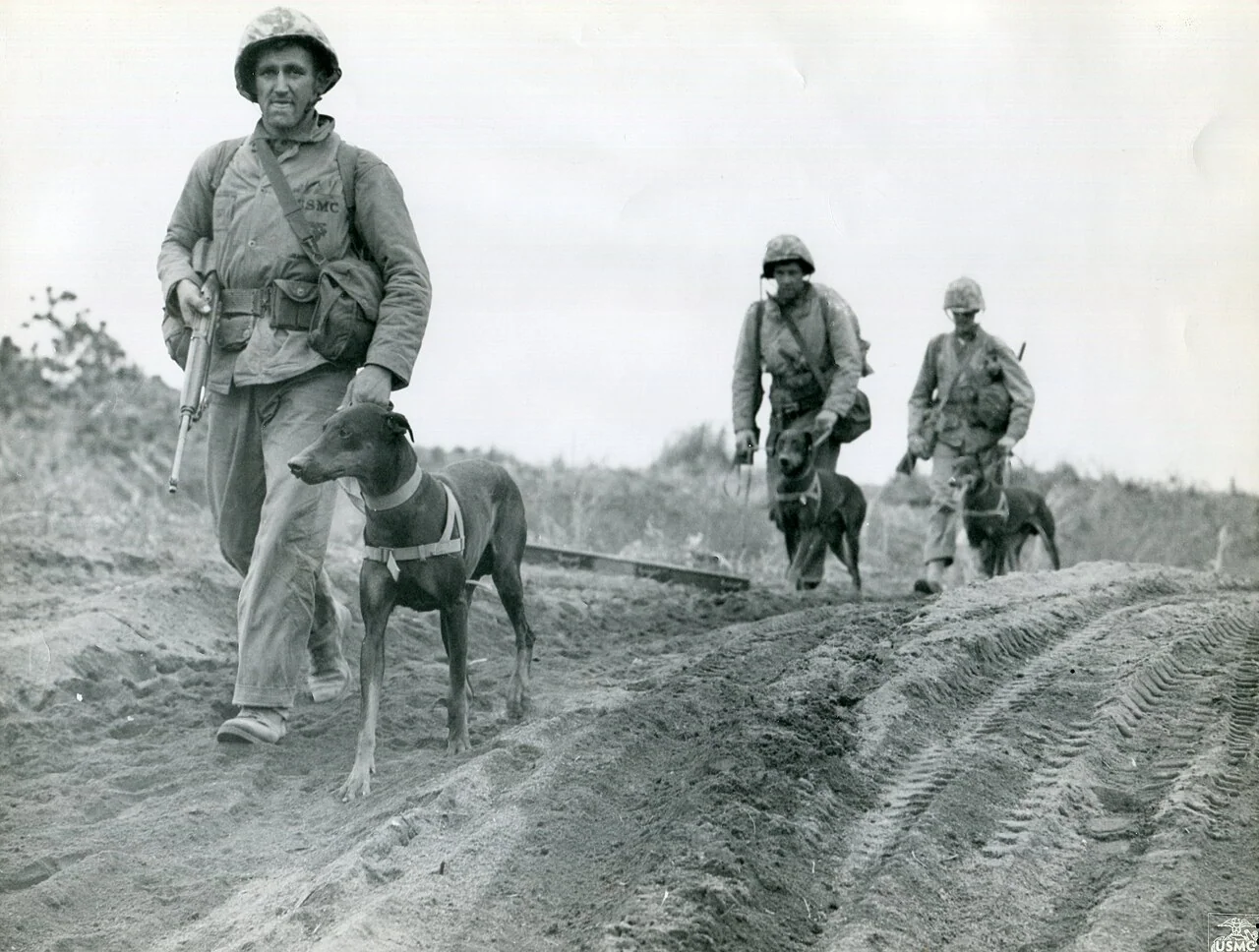
Members of a Marine Corps War Dog platoon move up to the front lines on Iwo Jima, 1945. Archives Branch, USMC History Division · CC BY 2.0 · Web size optimized; source linked for the original.
In the early hours of the Allied invasion of Sicily, one dog broke from his handler, dashed into an enemy position, and helped end a threat to American troops. Chips, a mixed-breed sentry dog, received official citations for that action. Those citations, and the later decision to revoke most of his medals, show both the value placed on working dogs in combat and the limits of military bureaucracy. The evidence comes from Army records, unit orders, and postwar accounts that have preserved the core facts without exaggeration.
Chips was donated to the U.S. Army’s Dogs for Defense program in 1942 by Edward J. Wren of Pleasantville, New York. The German shepherd-collie-husky mix met the program’s criteria and received training at Front Royal, Virginia. He was then assigned to the 3rd Infantry Division as a sentry dog. His handler, Private John P. Rowell, worked with him during preparations that included time in North Africa.
The Quartermaster War Dog Program expanded rapidly during World War II, building on earlier military experiments with canines. Dogs like Chips were trained for obedience, scouting, and alert behaviors. Their primary role in the 3rd Infantry Division involved guarding perimeters and detecting intruders. This background helps explain why Chips was present with the first wave of troops landing in Sicily on July 10, 1943.
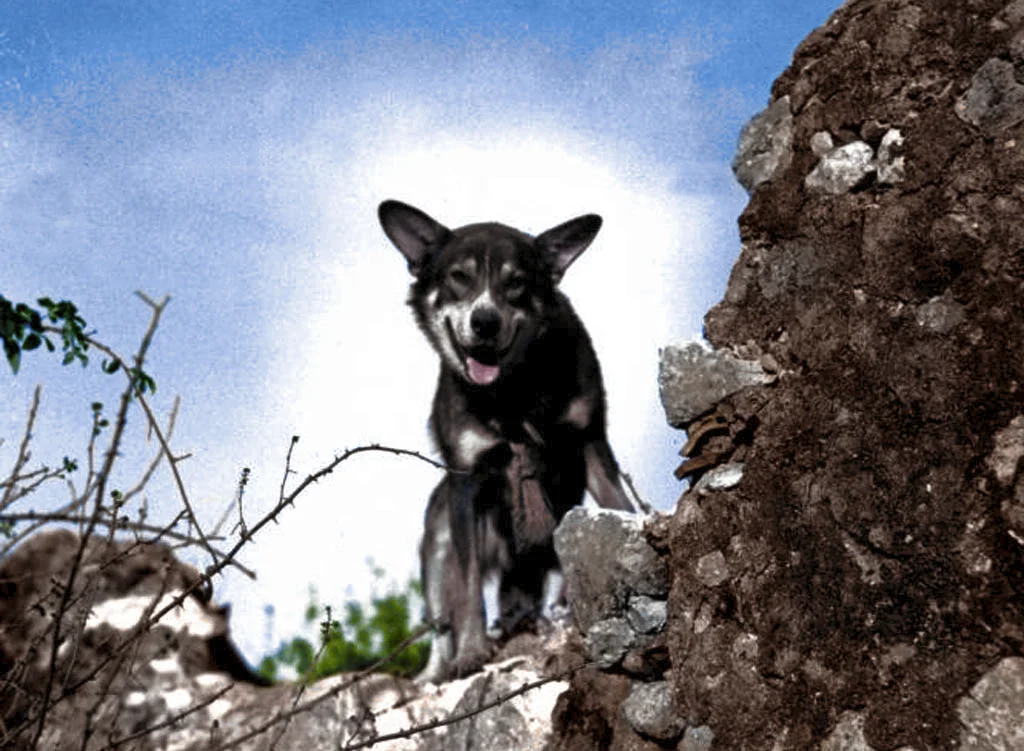
Operation Husky began before dawn on July 10, 1943, near Licata, Sicily. Chips and Rowell advanced inland with Company I after landing on Beach Blue around 4:20 a.m. A hidden Italian machine gun opened fire from a grass hut. According to the official citation, Chips wrenched free from his leash, dashed into the position, and attacked the gun crew.
The firing stopped. One crewman emerged with Chips at his throat, followed by others who surrendered to U.S. soldiers. The citation credits Chips with eliminating that single dangerous machine-gun nest and causing the surrender of its crew. Later accounts based on unit reports also note that he alerted troops to the presence of additional enemy soldiers that night, though the precise number remains described with cautious language in some summaries.
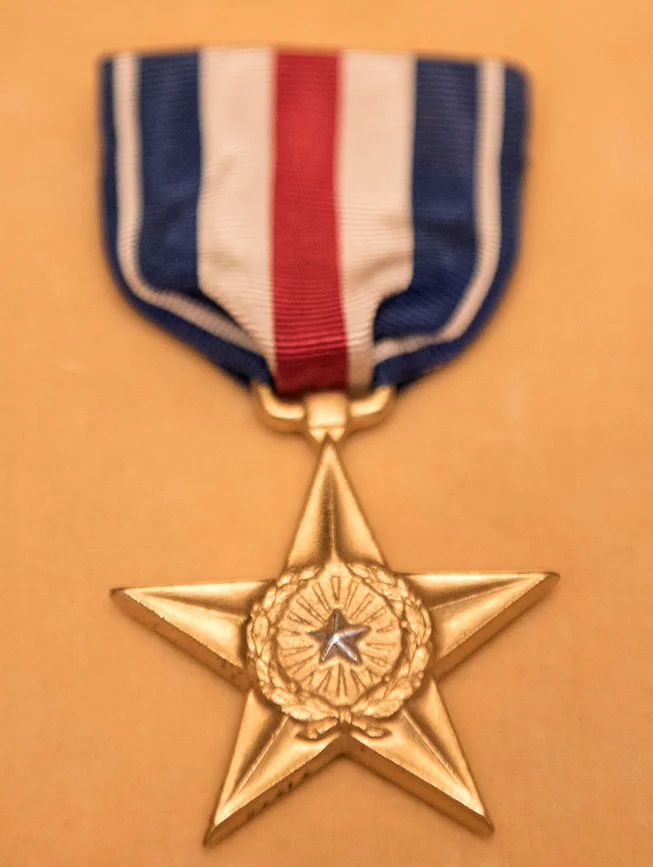
Headquarters, 3rd Infantry Division, issued General Orders No. 79 on October 24, 1943, awarding Chips the Silver Star for gallantry in action on July 10. The citation specifically references the machine-gun nest incident. Major General Lucian K. Truscott also awarded him the Distinguished Service Cross on November 19, 1943, according to a contemporary newspaper report. Chips additionally received a Purple Heart for wounds sustained that day.
All individual decorations were later revoked because Army policy at the time did not permit animals to receive formal medals. The only recognition that remained official was the theater-level citation and a War Dog commendation approved for publication in unit orders. In January 1944 the War Department authorized citation certificates to be sent to donors of dogs that had provided useful service. These events illustrate the gap between field commanders who witnessed a dog’s practical value and the regulations written for human personnel.
Chips was one of thousands of dogs that served with U.S. forces. The Quartermaster program supplied sentry, scout, and messenger dogs across multiple theaters. In the Pacific, Marine Corps units used Dobermans and German shepherds for scouting on islands such as Guam. One such dog, Kurt, is recorded in patrol reports as having alerted his unit to ambushes, helping avoid casualties.
British forces trained dogs for similar tasks. The Royal Army Veterinary Corps prepared animals that dropped with airborne units to locate mines and secure drop zones. A Labrador named Bing survived a parachute insertion into Normandy and assisted with clearing paths. These varied roles, from simple alerts to specialized detection, show how military planners adapted canine capabilities to the specific demands of each campaign.
After Sicily, Chips continued limited duty through campaigns in Italy, France, and Germany before returning to the United States in late 1944. He rejoined his original family and died in 1946. His story reappeared in postwar writing and is now held in military dog archives. In 2018 he received a posthumous PDSA Dickin Medal, the British equivalent of the Victoria Cross for animals.
The record of Chips invites a few quiet questions. How should institutions recognize contributions that fall outside their normal categories? What balance exists between honoring real courage and maintaining consistent rules? Modern working dogs still perform detection, patrol, and rescue tasks with law enforcement and the military. Their success continues to rest on careful breeding, early socialization, and consistent training. That much of the wartime lesson remains practical and worth remembering.
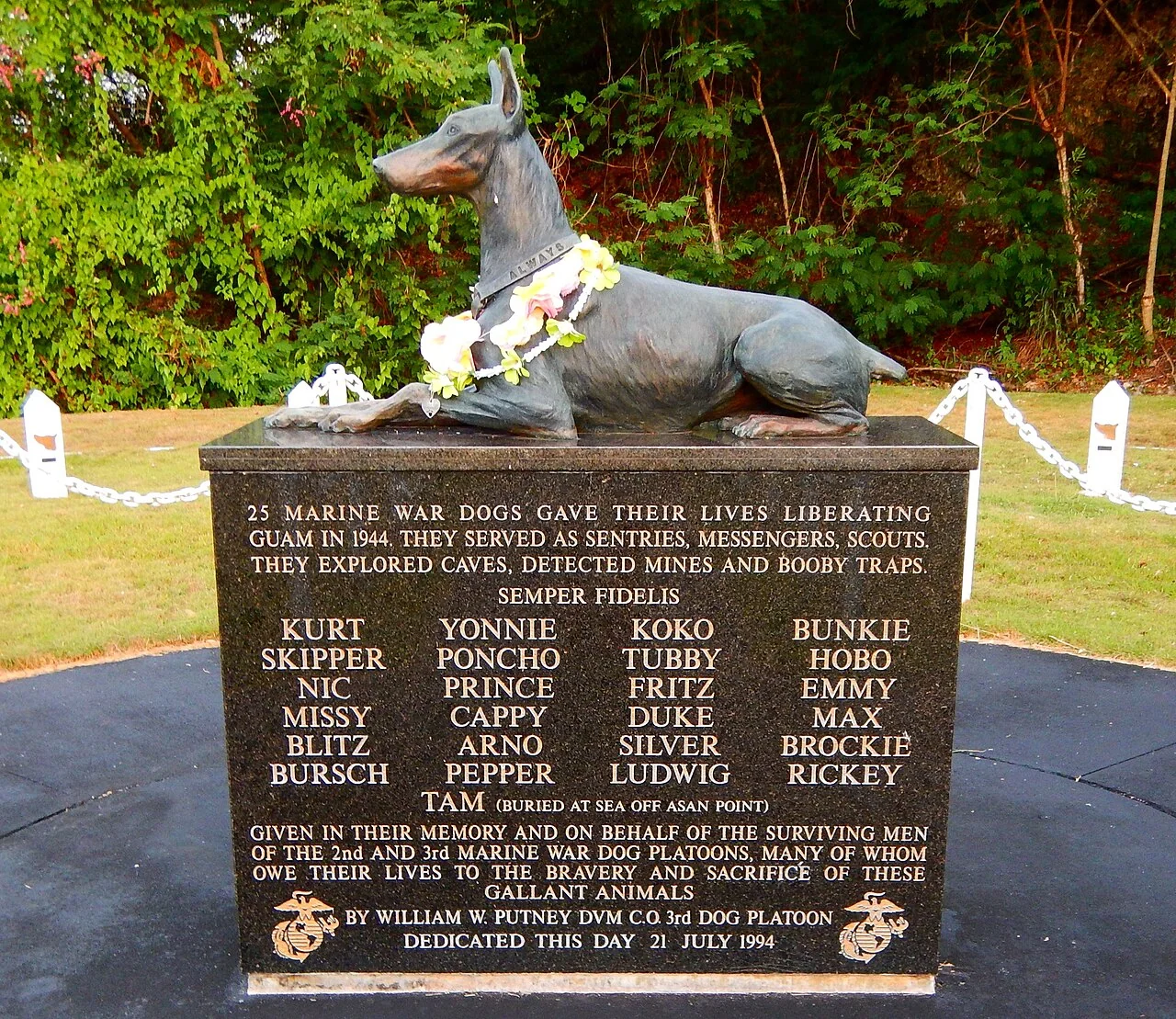
AI-assisted original writing. This feature was revised against source material and checked for unsupported claims. Follow the references below for evidence and its limits.
PhotographBlowing Puffer Fish · CC BY 2.0
A dog-focused look at the training and daily work of hearing dogs, drawn from one UK charity’s own descriptions.
 Photograph
A look at coordinated Swiss rescue operations that include avalanche dogs, drawn from limited public descriptions of specialist teamwork.
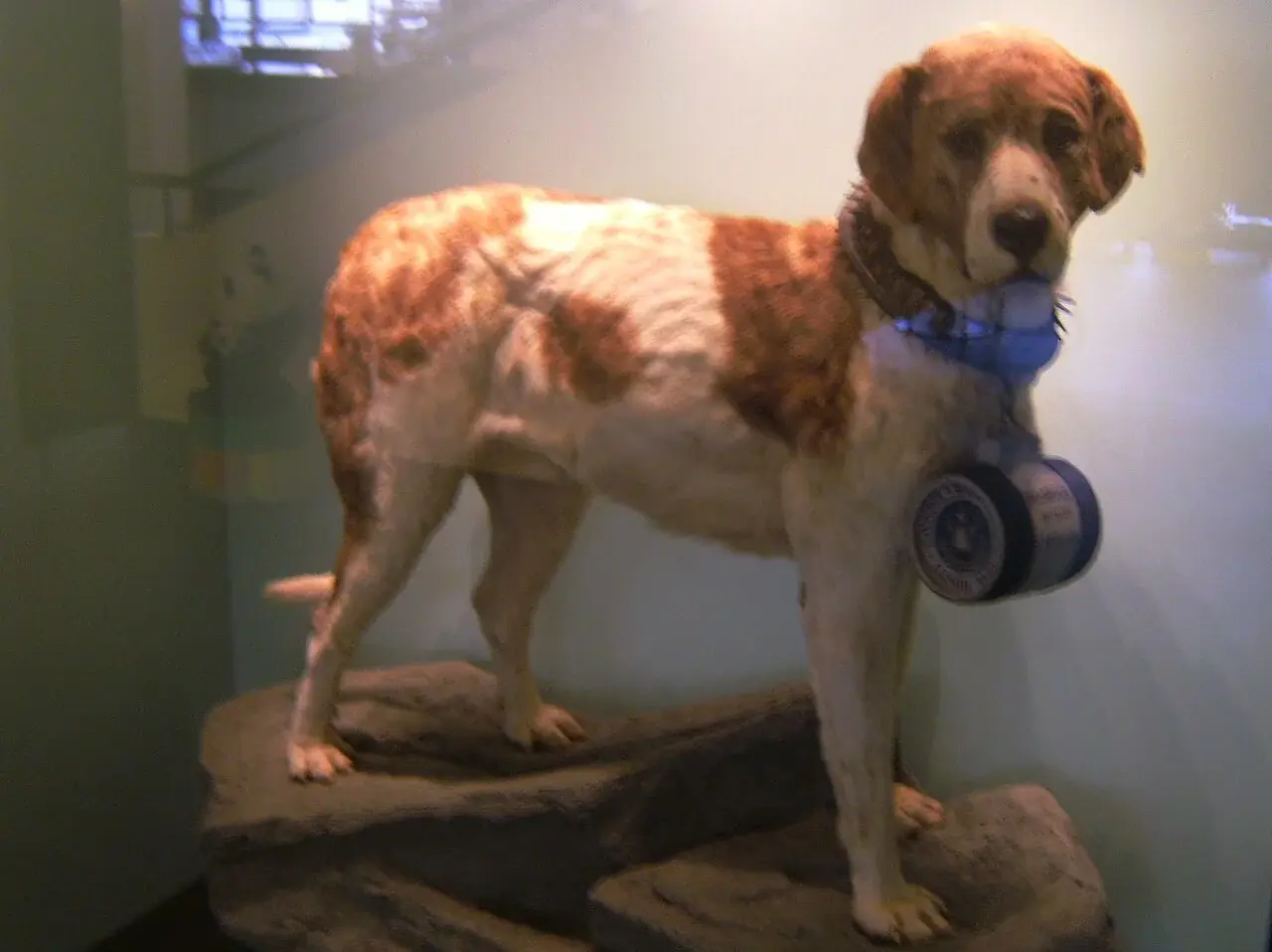
A real Alpine dog whose reputation grew from hospice service, even though detailed rescue records were never kept.