


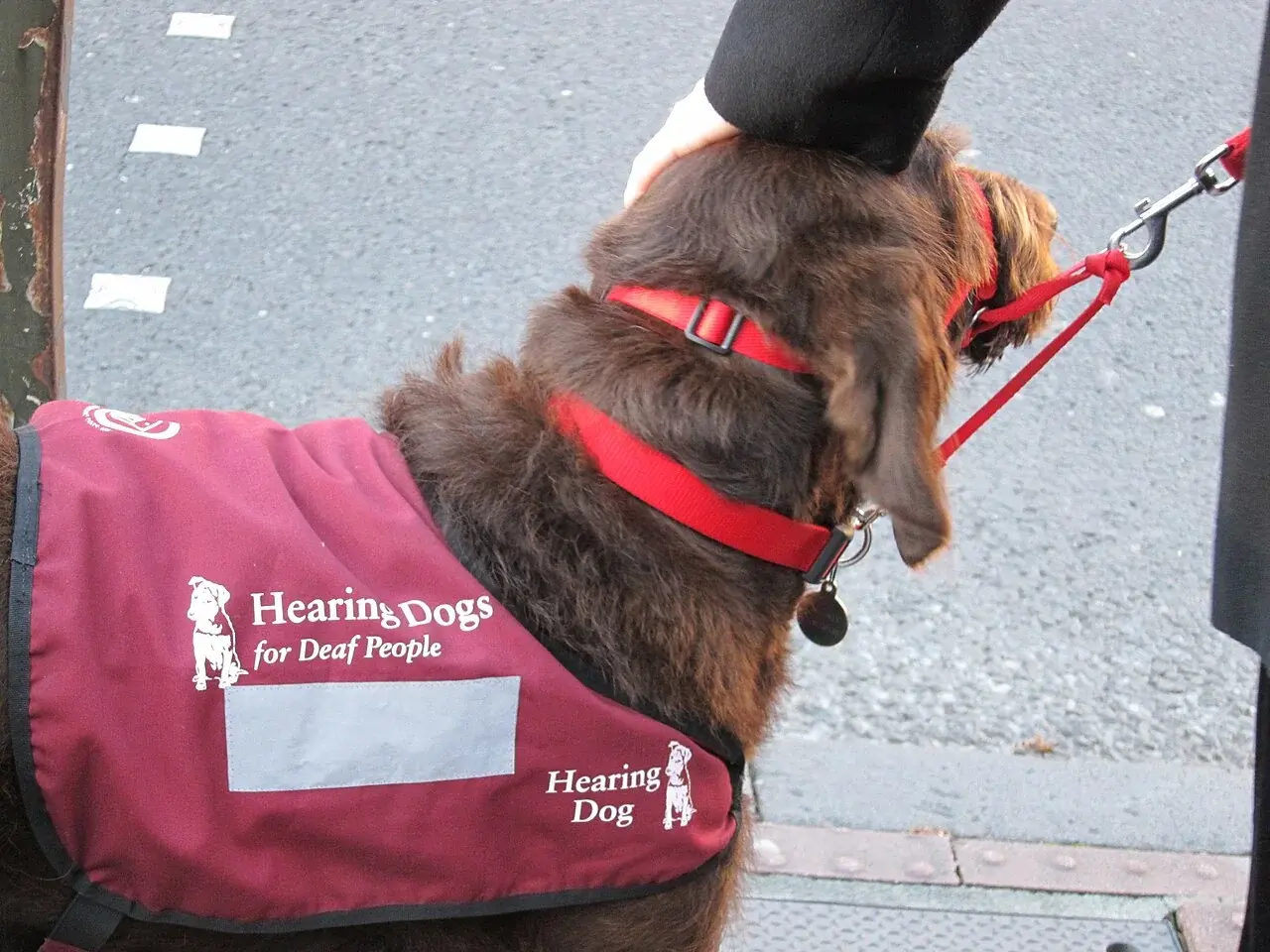
 Photograph
Blowing Puffer Fish · CC BY 2.0
Hero Dogs
Alert Ears and Wagging Tails: How Hearing Dogs Help Their Partners
A dog-focused look at the training and daily work of hearing dogs, drawn from one UK charity’s own descriptions.
All the News That's Fit to Bark!
Inside a Sarajevo centre where puppies begin learning to support land-release efforts, Belgian Shepherd Malinois dogs train as part of a broader humanitarian approach.
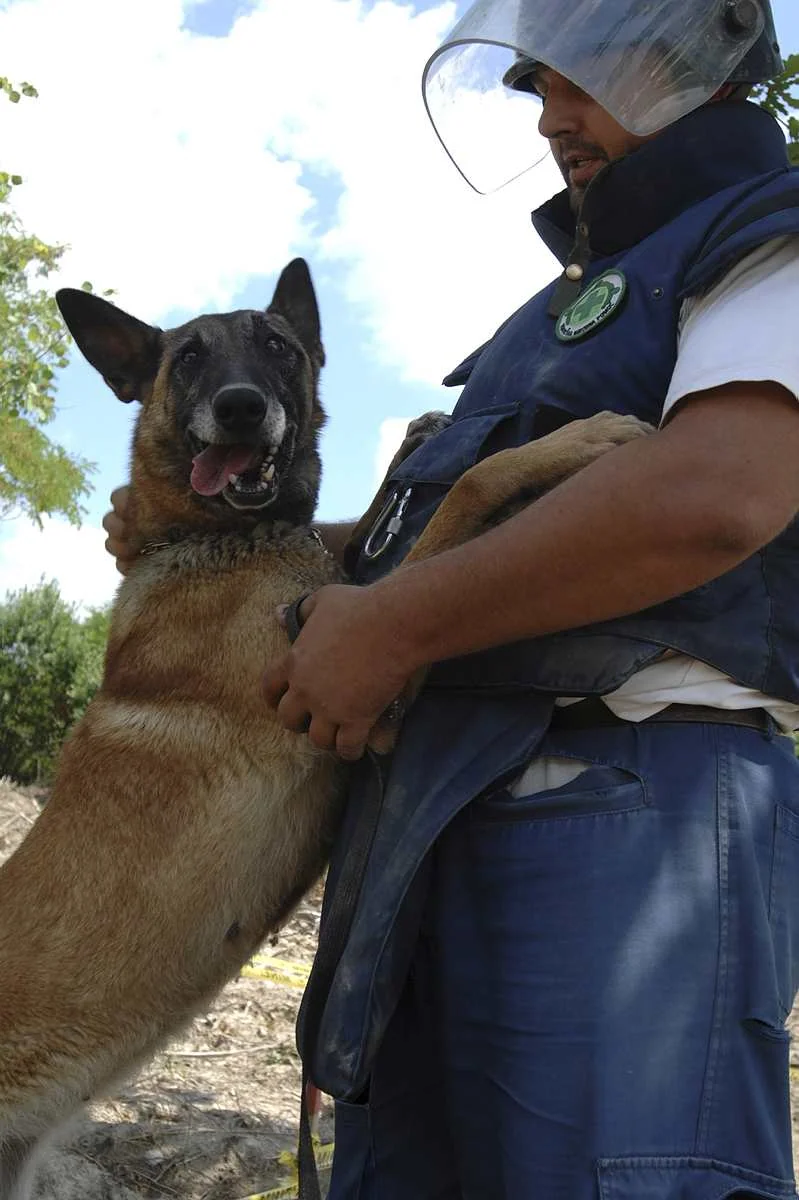
Belgian Malinois detection dog working with handler for Norwegian People’s Aid in Bosnia-Herzegovina (2011). Archival photo. Norsk Folkehjelp Norwegian People's Aid from Norway · CC BY 2.0 · Web size optimized; source linked for the original.
Humanitarian organisations work to reduce the threat of leftover explosives in post-conflict areas. One tool in that effort involves specially trained dogs. At a facility run by Norwegian People’s Aid in Sarajevo, the focus is on breeding and training dogs to help identify areas that may be cleared for safe use. The work forms one component of larger land-release operations carried out with partner groups. Evidence about the centre is limited to descriptions provided by the organisation itself, so this article stays within those bounds. No claims are made here about detection accuracy, clearance rates, or absolute safety outcomes.
Dogs have long been valued for their keen sense of smell in various detection tasks. In humanitarian contexts, certain breeds are trained to help locate possible explosive remnants so that land can eventually be released for community use. This process is part of a careful, multi-layered approach that includes other technical and manual methods. The dogs do not work alone; their contributions fit into a wider system managed by trained teams.
Norwegian People’s Aid operates a dedicated centre in Sarajevo focused on this kind of preparation. The organisation describes the facility as a global training hub where dogs are bred and developed over time. Training starts during the puppy stage and progresses as the animals mature and specialise. This gradual process reflects an understanding that early experiences shape a dog’s future effectiveness. The centre’s efforts form just one element within the group’s broader mine-action and disarmament activities.
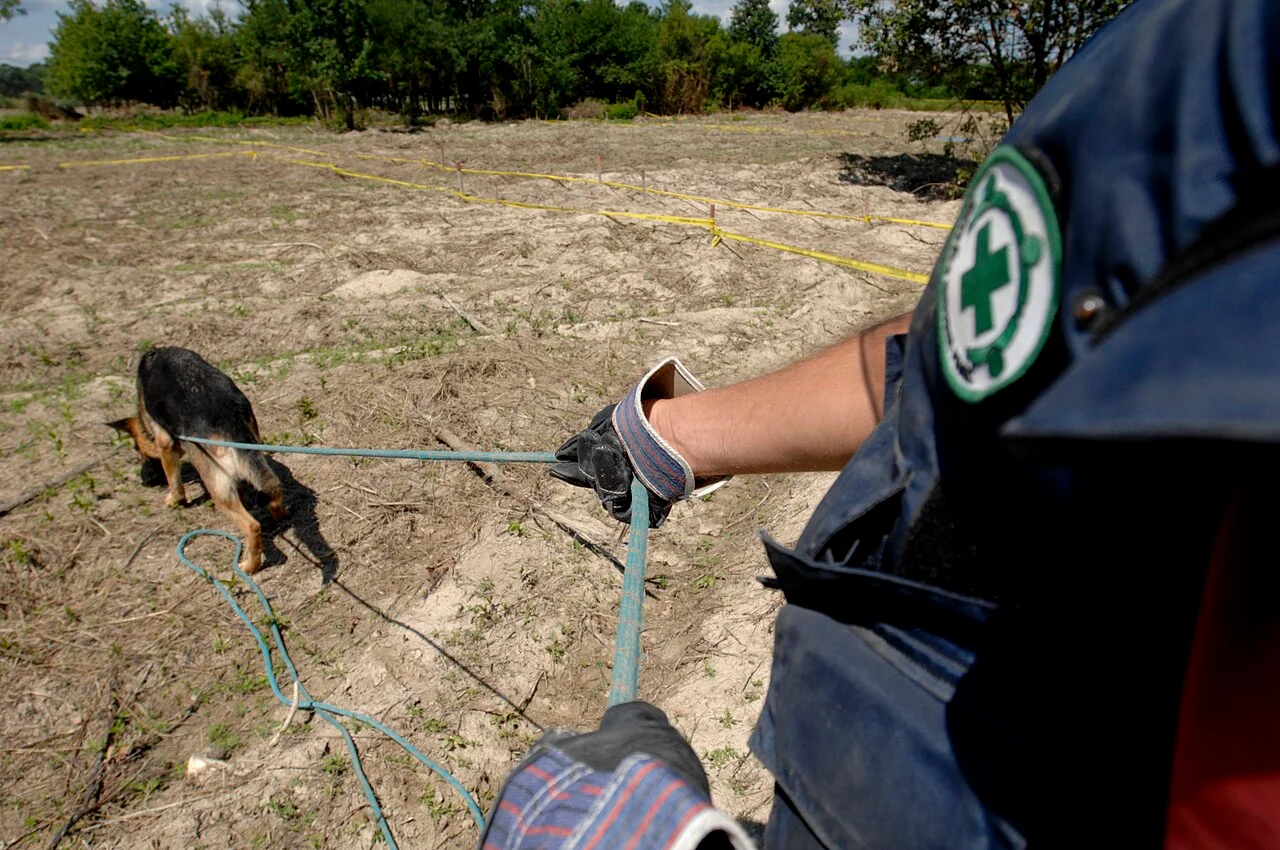
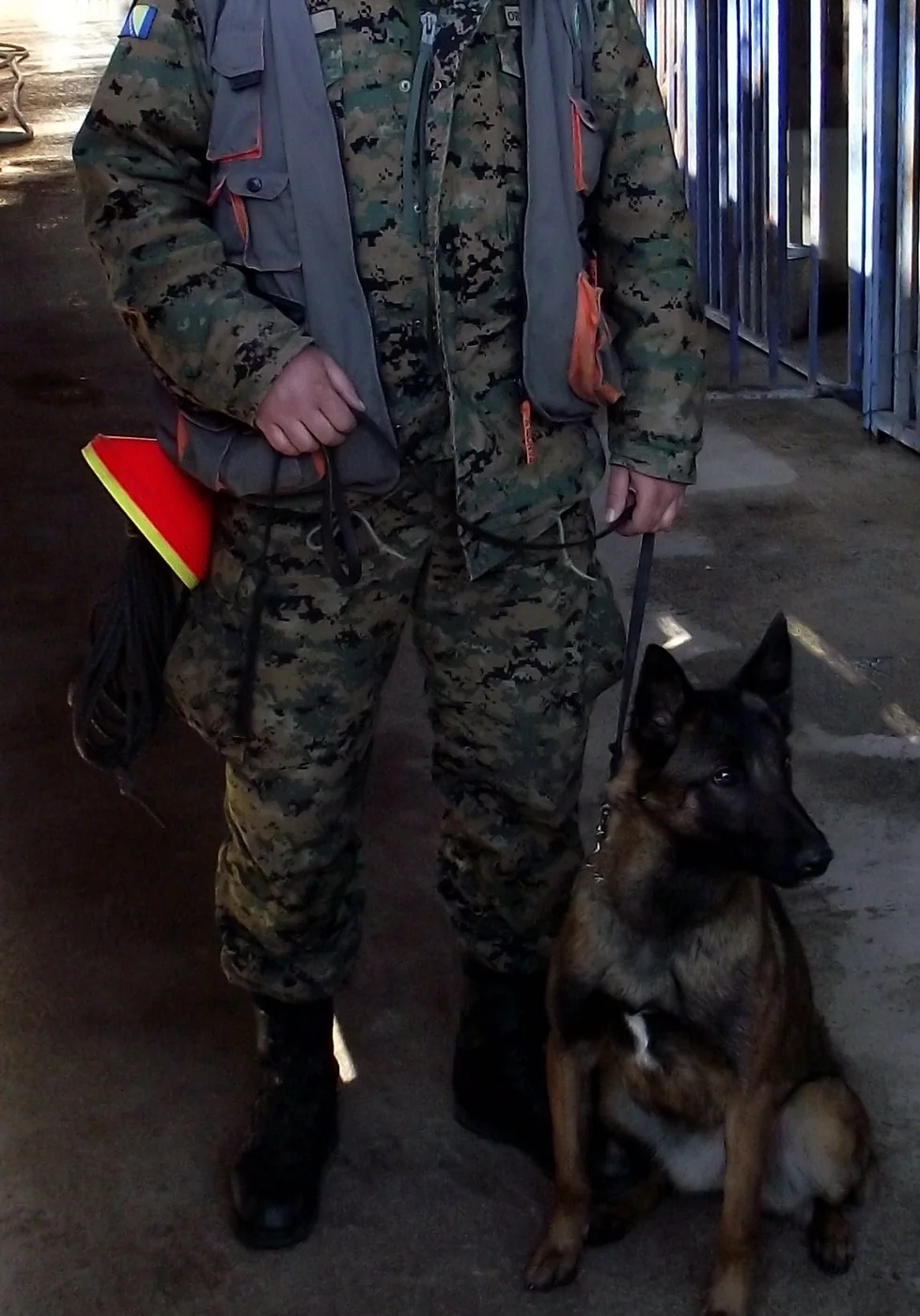
The Sarajevo centre works primarily with Belgian Shepherd Malinois. This breed is noted for its energy, intelligence, and strong drive to work. Norwegian People’s Aid reports that these characteristics make the dogs well-suited to the demands of detection training. Selection and breeding decisions at the facility aim to produce animals with the right mix of traits for the specialised role.
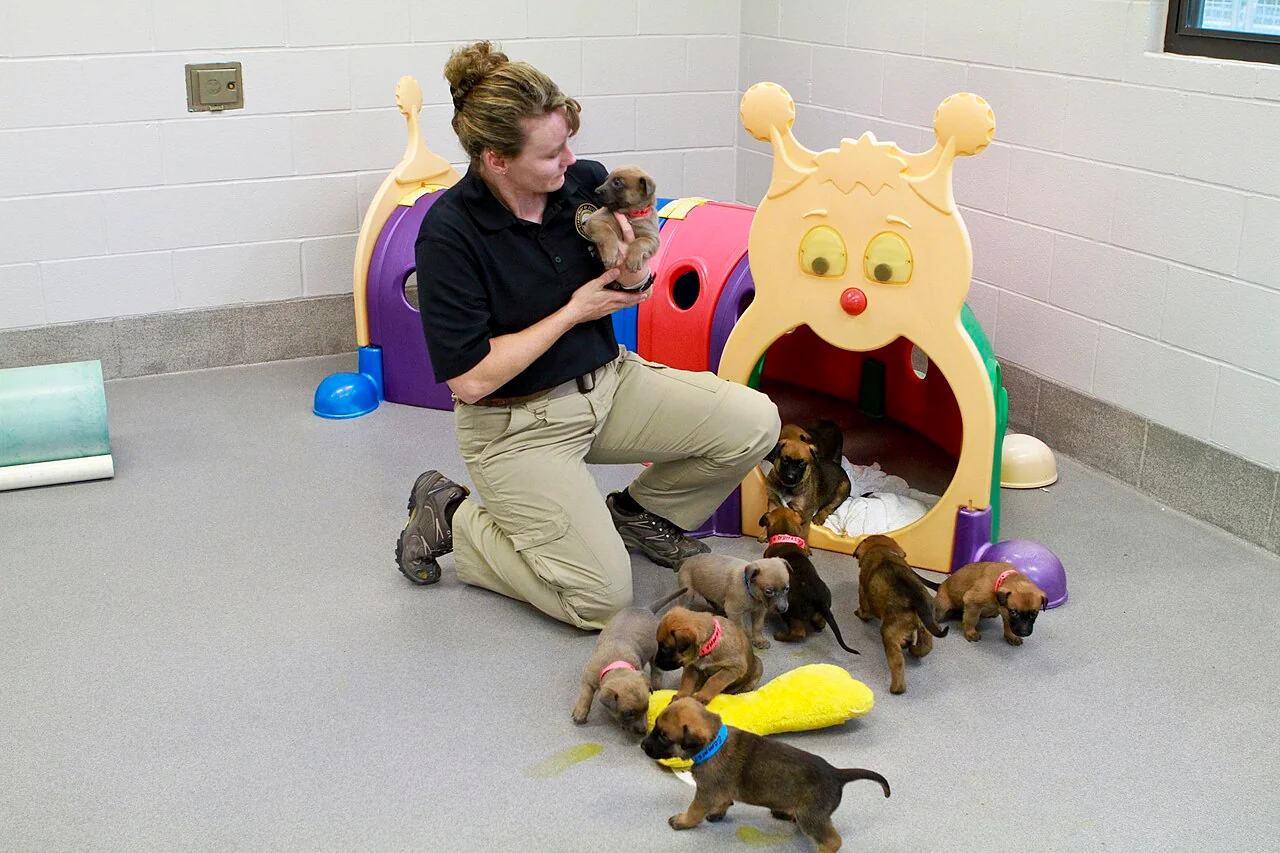
Puppies at the centre begin their learning path while still very young. The organisation explains that early socialisation and basic training lay the foundation for later stages. This approach avoids rushing the animals and instead builds skills step by step. Readers might ask: how early is too early to introduce structured training, and what balance of play and work best supports a dog’s welfare? Such questions matter because the physical and mental health of working animals affects both their quality of life and their ability to perform tasks reliably.
As dogs grow, their training becomes more focused. Norwegian People’s Aid describes a progression toward specialisation in mine and explosive detection. This phase involves refining the animal’s natural abilities within controlled settings. The centre collaborates with partner organisations, suggesting that knowledge and resources are shared across borders to improve standards.
Partnerships appear central to the operation. The evidence indicates that the Sarajevo facility does not function in isolation but contributes to a network of humanitarian efforts. This interconnected model may allow for consistent practices and collective learning. An editorial observation: while dogs capture public imagination, the real story often lies in the human coordination behind them. Without skilled handlers, veterinary support, and logistical planning, even the most talented dog would struggle to contribute meaningfully.
It is important to acknowledge the narrow scope of available information. The primary source is Norwegian People’s Aid’s own description of its centre. No independent verification of specific outcomes, success rates, or long-term impacts is supplied here. This article therefore avoids any assertion about how many areas have been made safer or how dogs compare with other detection methods.
Such caution is not a dismissal of the work; rather, it respects the complexity of humanitarian demining. Explosive remnants pose serious risks, and any claim of safety must be grounded in rigorous, transparent evidence. Light-hearted images of enthusiastic dogs at play should not obscure the gravity of the environments where they eventually operate. A useful reader question: when evaluating programmes that involve animals in high-stakes settings, how should we weigh promotional materials against the need for independent evaluation?
From an editorial standpoint, the Sarajevo centre illustrates a thoughtful attempt to integrate animal capabilities into humanitarian action. The emphasis on starting early and progressing steadily suggests attention to both effectiveness and welfare. Yet without broader data, it remains difficult to judge overall impact. This uncertainty invites readers to think critically about how such programmes are funded, monitored, and improved over time.
Consider a fictional scenario for illustration only: imagine a community receiving newly cleared land and deciding to plant a small orchard. The dogs that helped mark the ground never see the trees grow, yet their earlier contribution becomes part of a quiet success story. This invented vignette is offered purely as satire to highlight the human stakes; it is not a real case study. In reality, the implications are more sober. Organisations must continue balancing innovation in detection with rigorous safety protocols and transparent reporting. For those interested in supporting such work, a practical step is to seek out detailed evaluations rather than relying solely on heart-warming imagery. Asking about animal retirement plans, handler training standards, and independent audits can lead to more informed engagement.
AI-assisted original writing. This feature was revised against source material and checked for unsupported claims. Follow the references below for evidence and its limits.
PhotographBlowing Puffer Fish · CC BY 2.0
A dog-focused look at the training and daily work of hearing dogs, drawn from one UK charity’s own descriptions.
 Photograph
A look at coordinated Swiss rescue operations that include avalanche dogs, drawn from limited public descriptions of specialist teamwork.
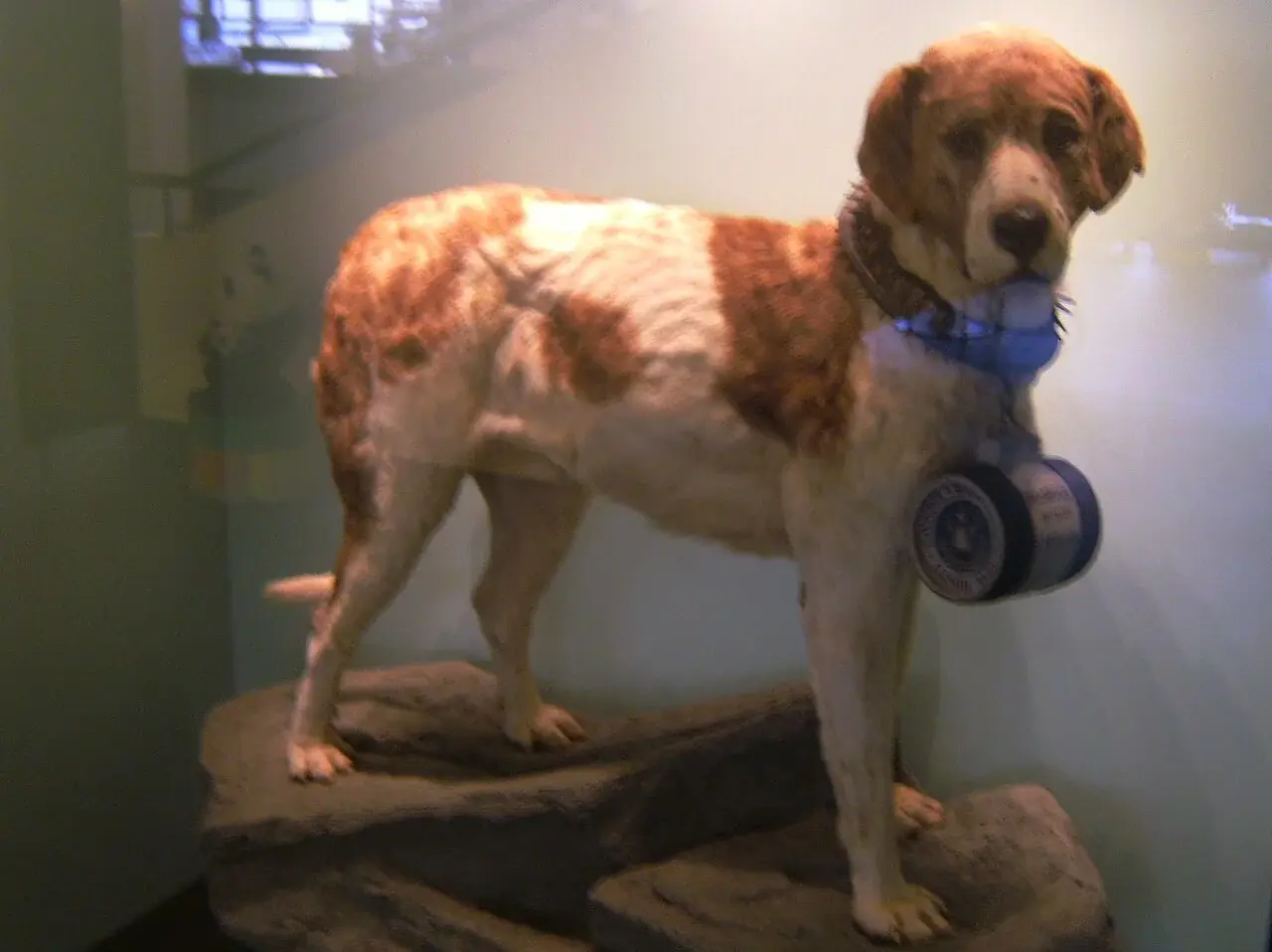
A real Alpine dog whose reputation grew from hospice service, even though detailed rescue records were never kept.