


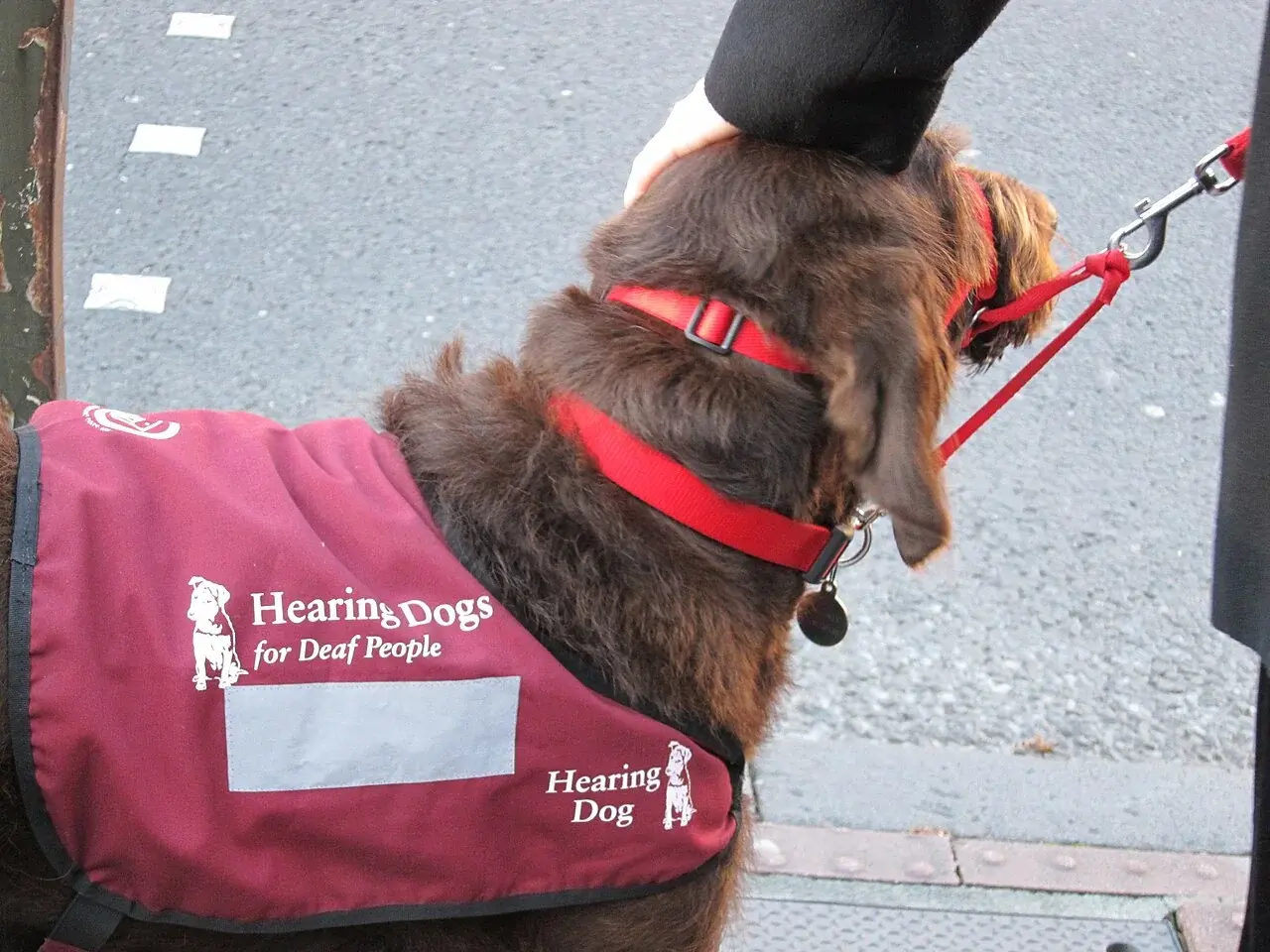
 Photograph
Blowing Puffer Fish · CC BY 2.0
Hero Dogs
Alert Ears and Wagging Tails: How Hearing Dogs Help Their Partners
A dog-focused look at the training and daily work of hearing dogs, drawn from one UK charity’s own descriptions.
All the News That's Fit to Bark!
Careful selection, numbers, and practical management of the dogs helped one 1911 expedition complete a demanding round trip to the South Pole.
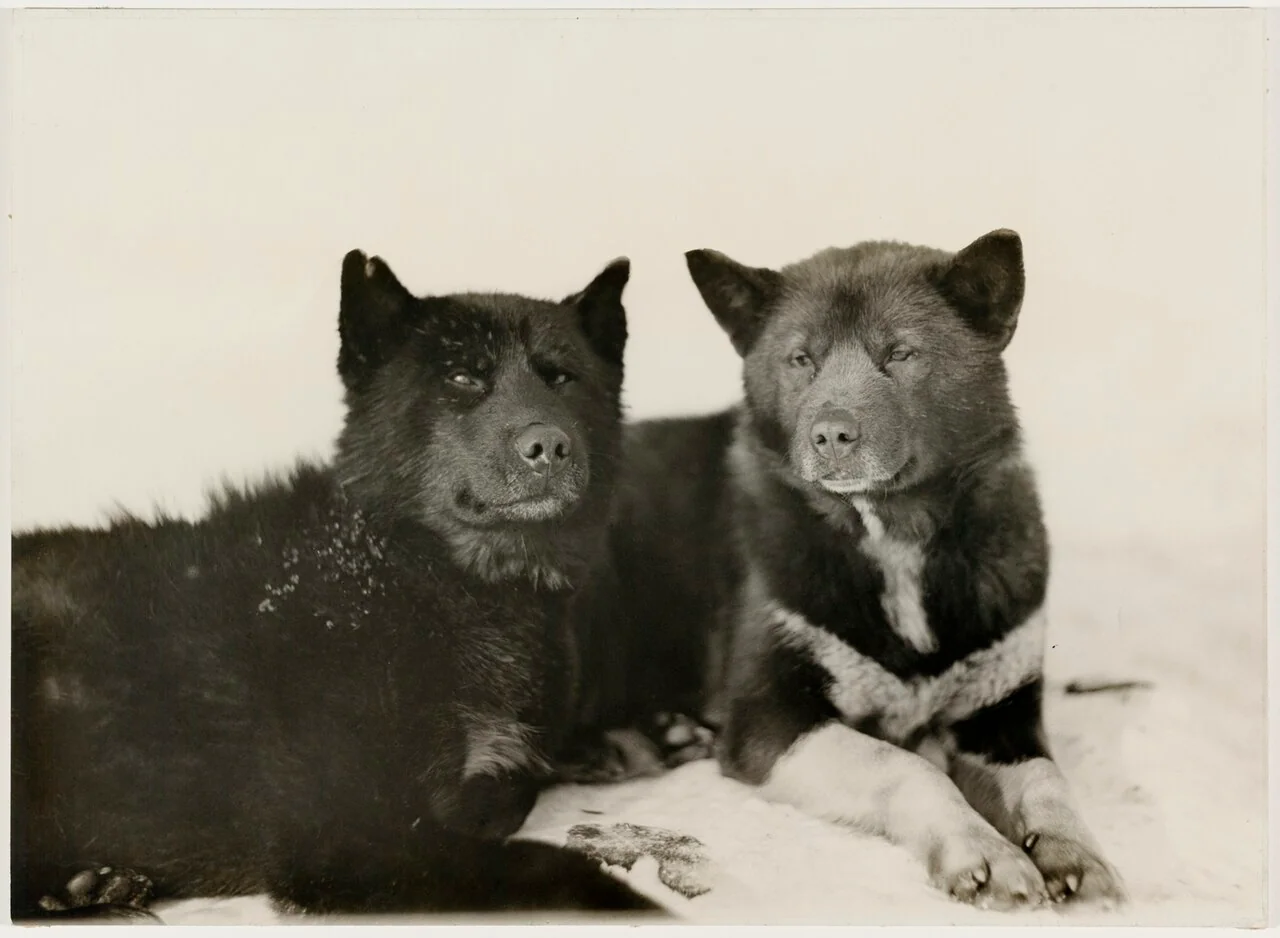
Greenland esquimaux dogs (Basilisk and Ginger-bitch) photographed in Antarctica, 1911–1914 Frank Hurley · Public domain · Web size optimized; source linked for the original.
In the early twentieth century, explorers heading to Antarctica faced extreme cold, vast distances, and the need to carry supplies without modern vehicles. One team relied heavily on Greenland dogs for transport. Diaries and reports from the expedition show that the dogs pulled sledges, helped establish supply depots, and in some cases became food for the men. The story raises questions about both human achievement and animal welfare. This article draws only from the supplied research summaries to examine what the records say about the dogs’ roles, without adding unsupported details.
According to the compiled research, the expedition purchased 100 Greenland dogs in 1909 from the Royal Greenland Trading Company through Inspector Jens Daugaard-Jensen. The initial order was for 50 animals but was later doubled. The buyer specified ‘good, big animals’ from particular districts in west Greenland. About 10 percent of the dogs were female, included to allow for breeding during the journey. The purchase was originally framed as being for a North Pole effort, though the dogs ultimately supported Antarctic travel.
When the ship Fram reached Antarctica, the number of dogs had changed through births and deaths, starting at 97 and reaching 116 upon arrival. The research, drawn from expedition diaries and a report dated 9 February 1911, notes that the total number of dogs involved across the entire effort exceeded 200 when later births are counted. These figures come from secondary synthesis of primary writings rather than independent veterinary records. The evidence does not describe a formal long-term selective breeding program beyond the initial choice of sturdy animals and the limited inclusion of females for propagation.
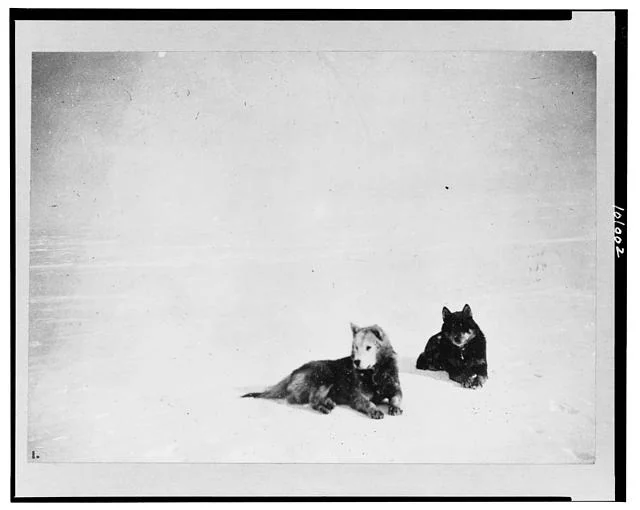
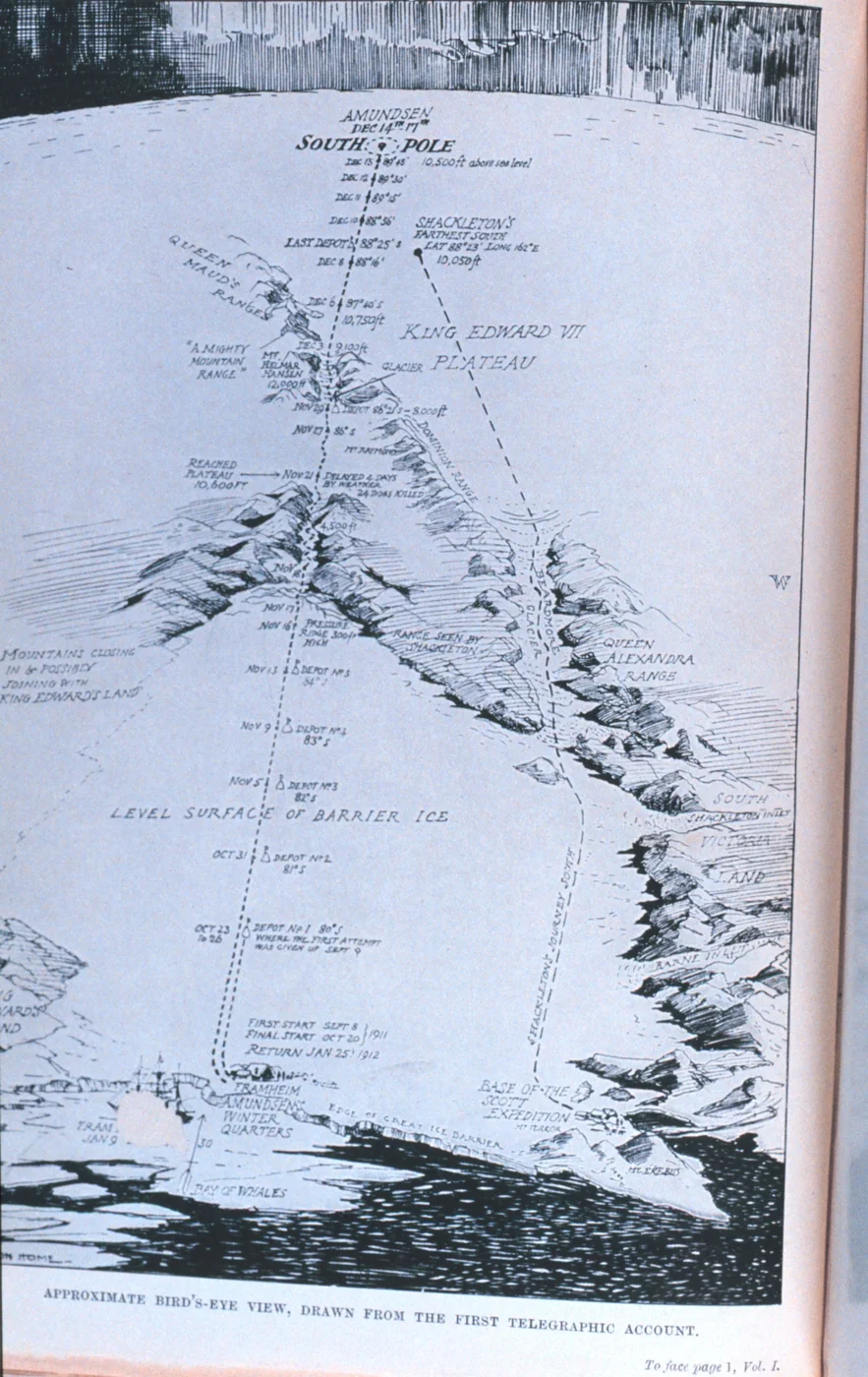
Before the main journey south, the team conducted depot-laying trips to cache supplies for the return. Diaries indicate that in these early runs, six dogs pulled sledges loaded with roughly 200 kilograms each. Later, under colder conditions, the same teams managed loads approaching 300 kilograms per sledge. These observations appear in accounts by expedition members and in a later edition of the leader’s writings.
Such tests helped the men learn how the dogs performed in Antarctic terrain and weather. The evidence suggests that having a large pool of dogs allowed the team to rotate animals, rest some, and still move forward. However, the compiled sources do not provide veterinary data on the dogs’ health or stress levels during these runs. Readers might ask: how did the physical demands affect the animals over repeated trips? The records emphasize logistical success but give less space to the dogs’ experience.
The push to the South Pole began on 20 October 1911. Five men set out with four sledges and 52 dogs. They reached the Pole on 14 December 1911. The full round trip covered roughly 3000 kilometers, and the team returned to their base on 26 January 1912 with two sledges and 11 dogs. These numbers come from summaries of the leader’s 1912 book and published participant diaries.
Throughout the journey, dogs were used for both pulling and, when necessary, as food. The strategy of culling some dogs along the way, including at the Pole, is noted in the diaries. This practice reduced the number of mouths to feed and provided meat for the remaining dogs and men. While the expedition is described in one encyclopedia entry as one of the best-executed sledge journeys, the same sources acknowledge that attrition and deliberate slaughter occurred. The evidence highlights the contrast between this dog-centric approach and another contemporary expedition that relied less on canine power.
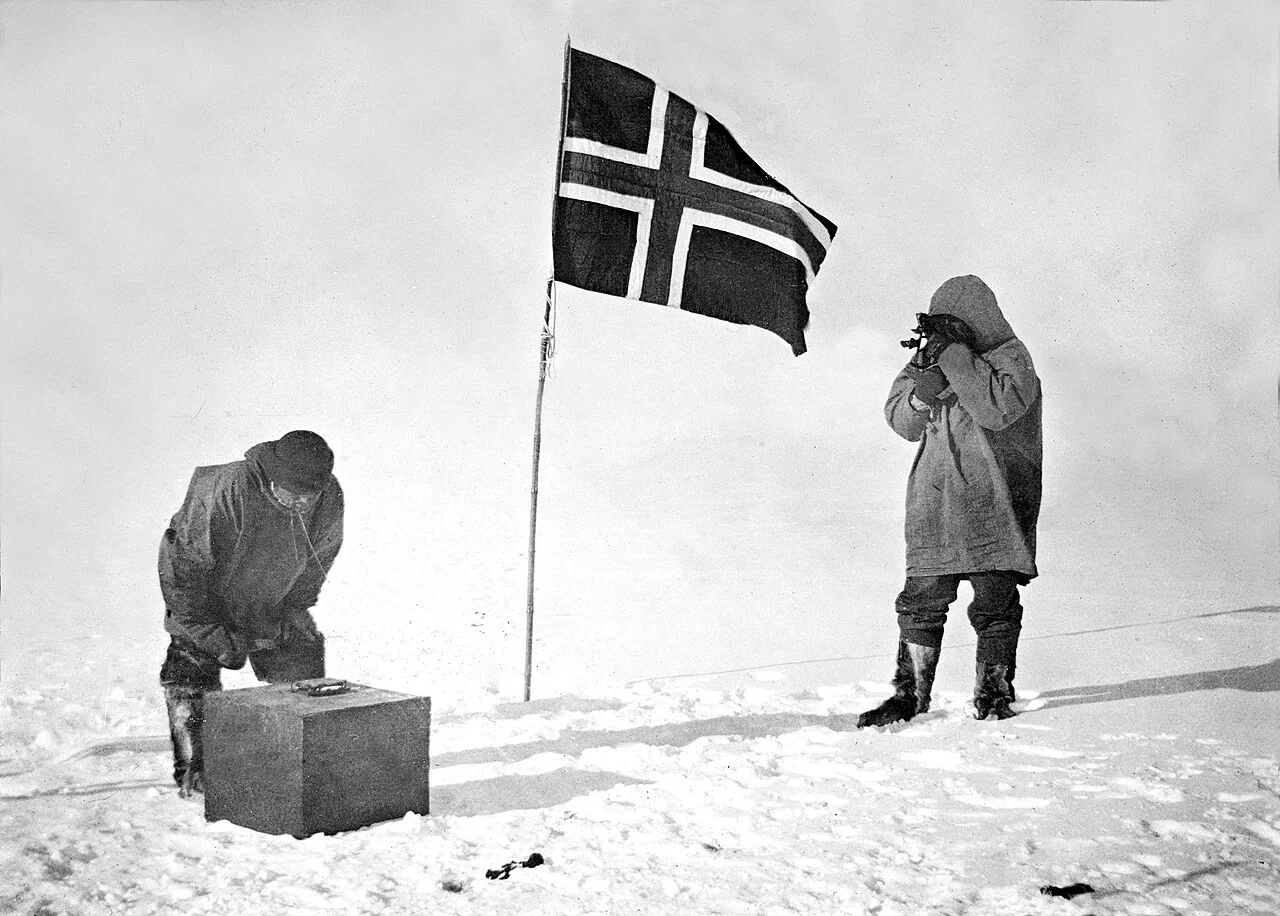
The research draws attention to the practical but harsh realities of using dogs in polar travel. Amundsen’s writings and crew reports describe culling as a calculated part of the plan. Some animals were slaughtered to feed others or the men, especially when supplies ran low or when fewer dogs were needed for the lighter return loads. One academic paper explores attitudes toward the dogs and notes that historical accounts have sometimes paid limited attention to the suffering involved.
This raises enduring editorial questions about animal welfare in exploration. The dogs enabled speed and range that helped the team return safely, yet their role came at a clear cost. A light, fictional scenario might imagine a modern ethics board reviewing the 1911 plan: the chair would likely wince at the slaughter numbers while acknowledging the absence of alternatives at the time. Such satire does not change the historical record; it simply frames the moral tension. the cited source material does not support claims of unusually humane treatment or of any specific veterinary innovations.
The available summaries stress experienced men, skis, precise depot placement, and effective use of dogs as keys to the expedition’s outcome. One source calls the journey well planned, crediting the combination of human skill and canine strength. Yet the same materials note that total dog numbers, loads, and breeding details vary slightly across diaries, reminding us that even primary sources require careful cross-checking.
For today’s readers, the story invites reflection on how we value animal lives in service of human goals. If similar expeditions were mounted now, what standards would we insist upon? The evidence supports that careful selection and large numbers of dogs contributed to reaching the Pole weeks before another party, but it does not quantify exact survival rates or long-term genetic outcomes. The dogs’ contribution is presented as practical rather than heroic in the original writings. Their story survives mainly through the explorers’ logs, which were written from a human perspective.
AI-assisted original writing. This feature was revised against source material and checked for unsupported claims. Follow the references below for evidence and its limits.
PhotographBlowing Puffer Fish · CC BY 2.0
A dog-focused look at the training and daily work of hearing dogs, drawn from one UK charity’s own descriptions.
 Photograph
A look at coordinated Swiss rescue operations that include avalanche dogs, drawn from limited public descriptions of specialist teamwork.
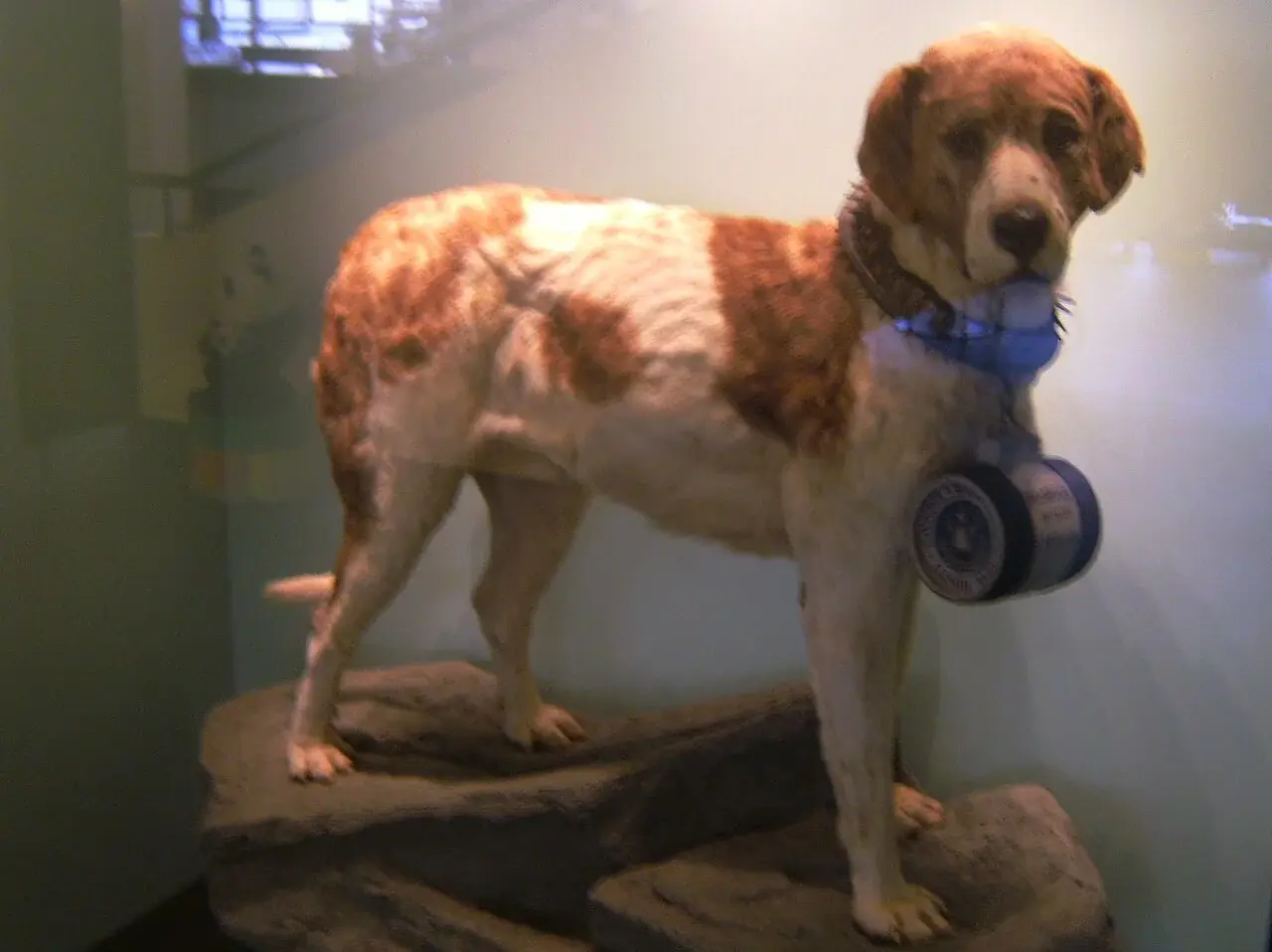
A real Alpine dog whose reputation grew from hospice service, even though detailed rescue records were never kept.