


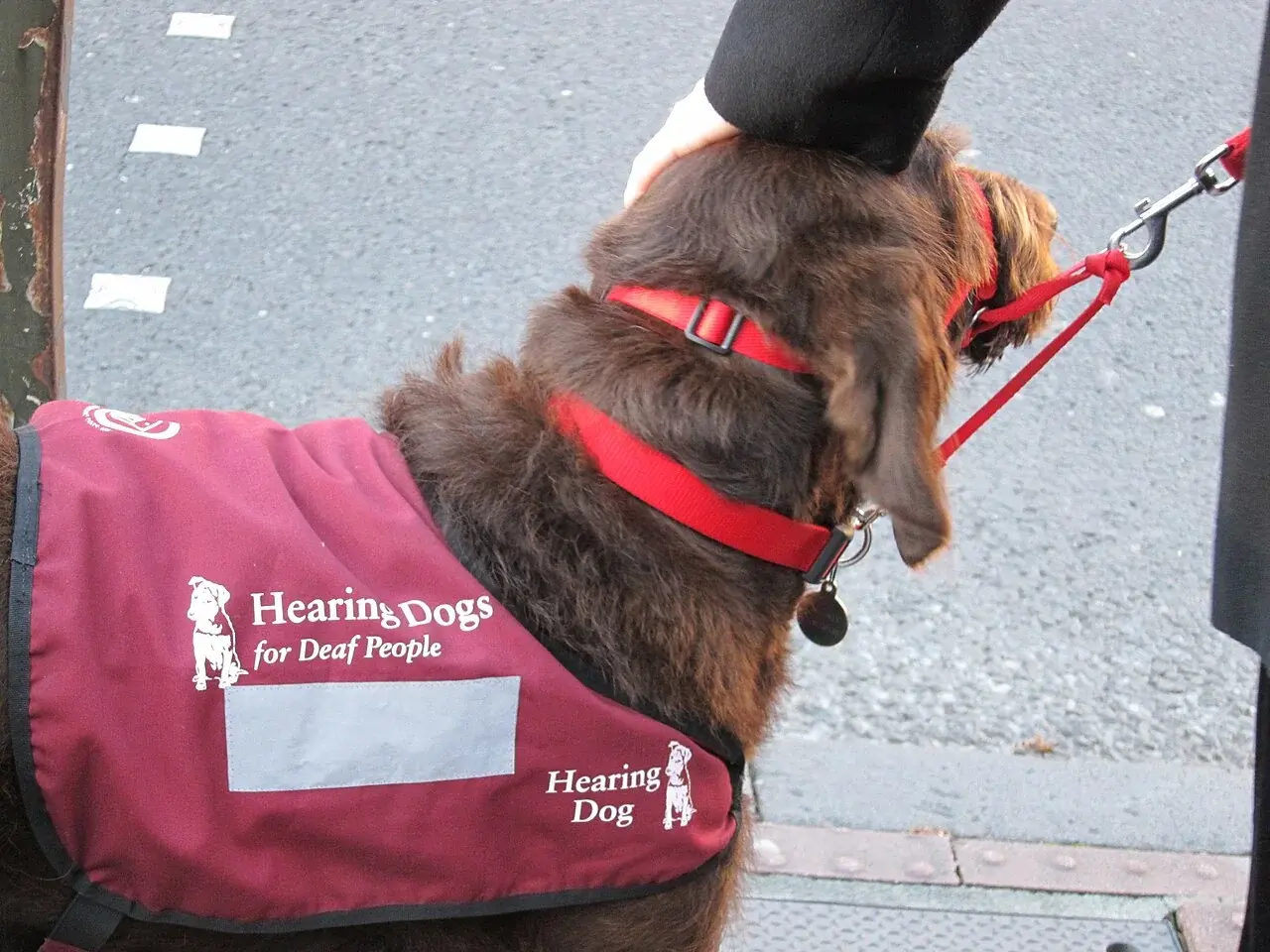
 Photograph
Blowing Puffer Fish · CC BY 2.0
Hero Dogs
Alert Ears and Wagging Tails: How Hearing Dogs Help Their Partners
A dog-focused look at the training and daily work of hearing dogs, drawn from one UK charity’s own descriptions.
All the News That's Fit to Bark!
Evidence-based rules on hygiene, patient selection, and infection control help therapy-dog teams work safely in acute-care settings where vulnerable people receive treatment.
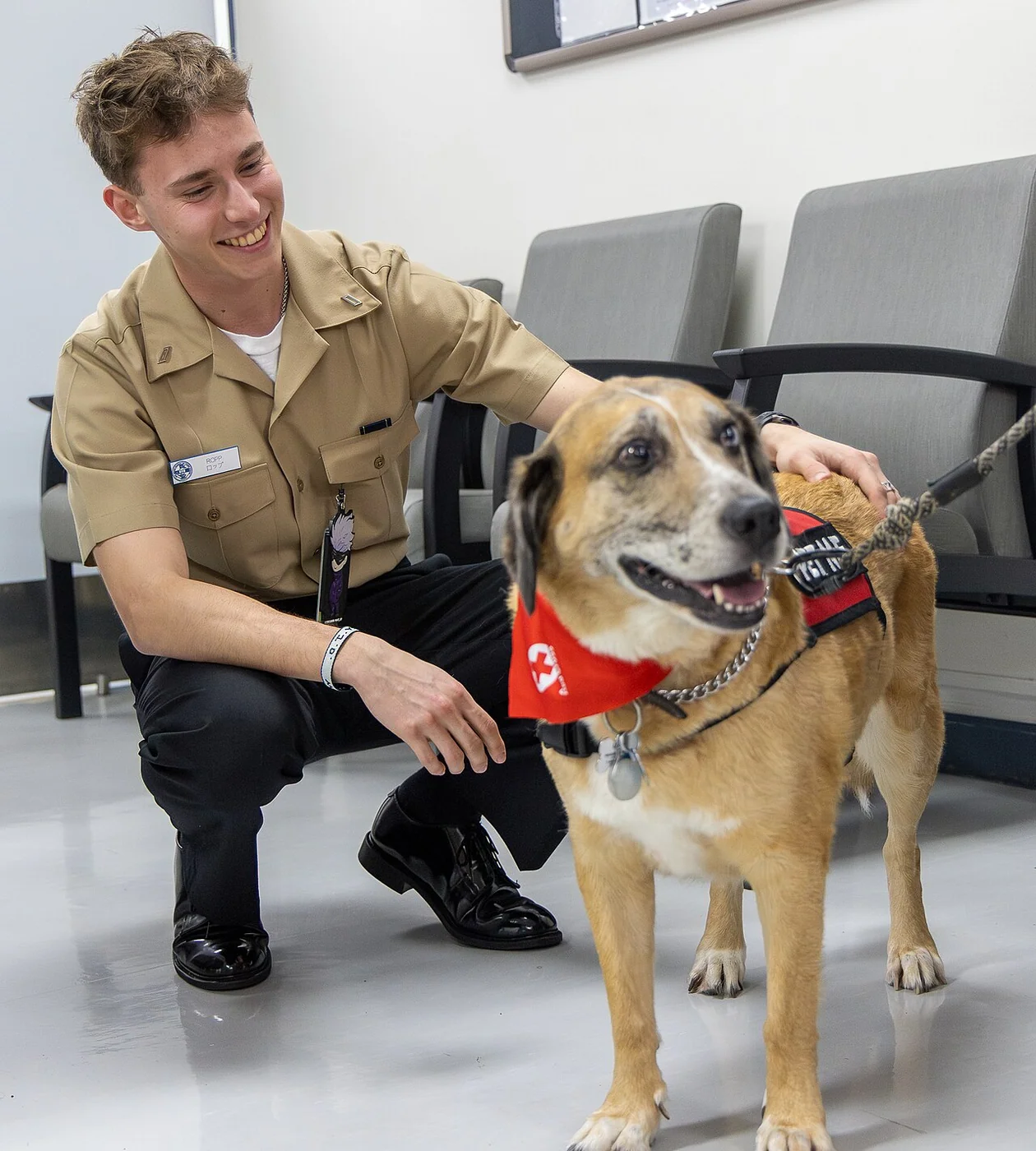
Documentary photo. Therapy dogs from the American Red Cross visiting patients at U.S. Naval Hospital Yokosuka, Japan, May 2025. AI HAZAMA · Public domain · Web size optimized; source linked for the original.
Hospitals balance the proven stress-relieving appeal of a friendly dog against the very real risks of infection and medical-device interference. Written policies, training standards, and strict checklists now allow certified therapy-dog teams to enter many clinical areas—including some high-risk zones—while protecting patients. The guidance comes from nursing colleges, hospital programs, and expert societies that reviewed available evidence on zoonotic transmission and practical safeguards. No single document addresses every pediatric intensive-care scenario, yet the overlapping recommendations create a workable framework that hospitals adapt case by case. This article draws directly from those sources to outline the core requirements, limitations, and open questions that shape today’s animal-assisted activities in healthcare.
Before any clinical visit, therapy dogs must be bathed and thoroughly groomed. They cannot be fed raw animal protein, and their vaccination records—covering distemper, hepatitis, parvovirus, leptospirosis, and kennel cough—must be current and on file with the hospital. A one-week waiting period follows any live vaccine, including the kennel-cough intranasal dose. These steps appear consistently in UK high-risk-area guidance and in the UCLA People-Animal Connection protocols that follow Pet Partners standards. Handlers also undergo health screening and background checks so the entire team meets hospital volunteer criteria.
The emphasis on grooming and diet reduces the chance that the dog will carry pathogens on its coat or in its digestive tract. Hospitals typically require veterinary sign-off and keep copies of the records. While these measures sound straightforward, they add logistical layers for volunteer handlers who must schedule grooming, vet visits, and documentation around busy hospital calendars. The shared responsibility between handler, clinical team, and infection-control staff keeps the focus on prevention rather than reaction.
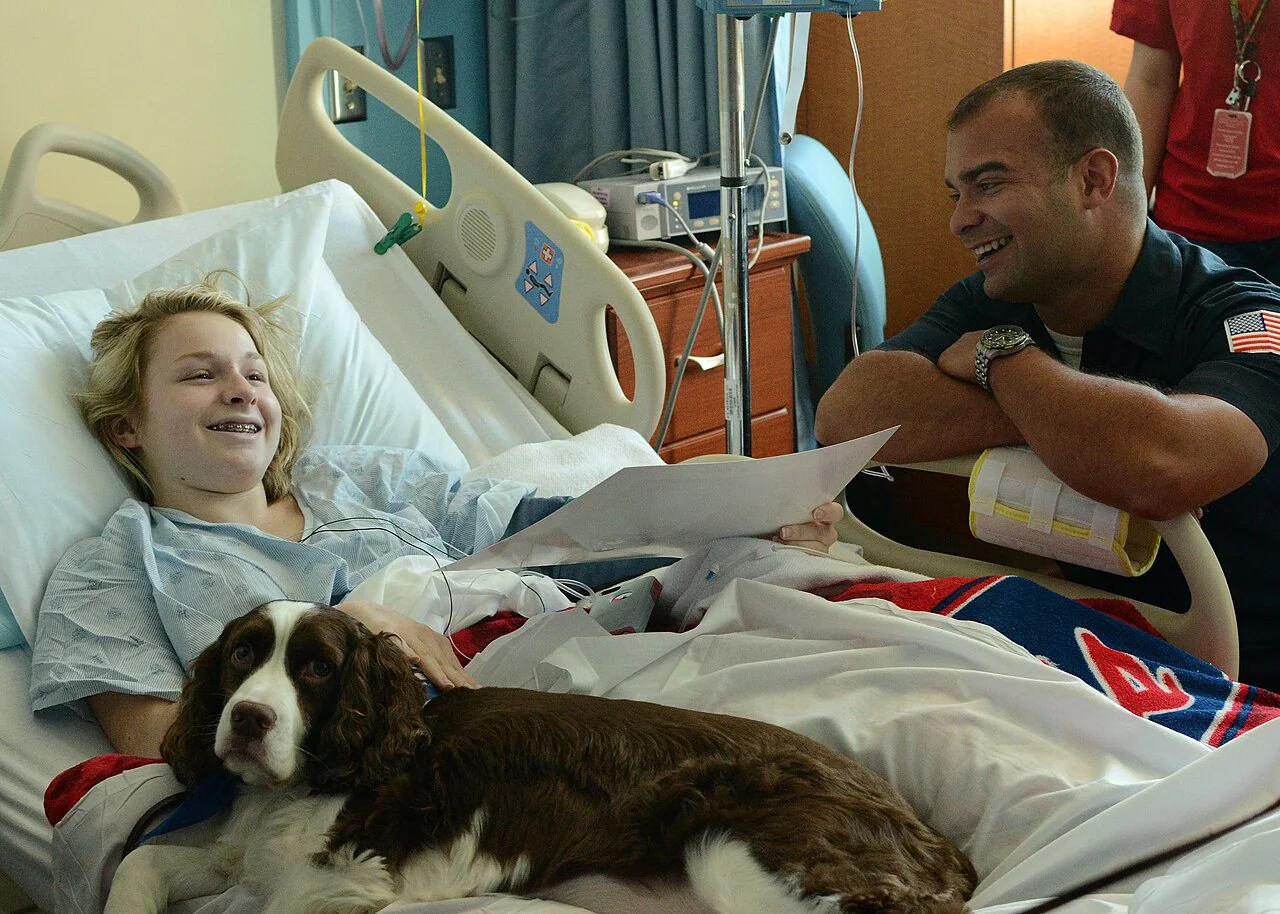
Not every patient can safely meet a therapy dog. People who are immunocompromised, placed in protective isolation, or currently managing an active infection are generally excluded. In certain critical-care or oncology settings, the lead clinician and infection-control team may grant an exception after weighing risks and benefits. Before the dog enters the room, staff must obtain fresh consent from the patient or legal guardian and confirm that all invasive lines, dressings, and medical equipment are secured. The dog is not allowed to touch bedding or linger on surfaces that cannot be cleaned immediately afterward.
These selection rules appear in both the Royal College of Nursing addendum for high-risk areas and the SHEA expert guidance for acute-care hospitals. The UCLA program adds a practical layer: a visible isolation placard on the door signals that a visit is off-limits. The process protects fragile patients while still offering the emotional lift of animal contact to those who qualify. It also underscores that therapy-dog programs are not universal entitlements but carefully rationed interventions guided by medical judgment.
Hand sanitizer is required before and after any contact with the dog. Many programs use a protective barrier—such as a clean sheet or towel—between the animal and the bed or chair. Equipment the dog touches must be disinfected right away. In higher-risk zones, simulation training is recommended so clinical staff, handlers, and volunteers practice the choreography of an ICU visit without compromising sterility or safety. These layered precautions reflect the 2008 guidelines that first called for formal infection-prevention policies when scientific data on animal-assisted interventions was still limited.
The SHEA recommendations reinforce hand hygiene, barriers, and animal-health screening as core defenses. Pet Partners evaluation standards, referenced by UCLA, require teams to pass a 26-point in-person test every two years that includes infection-control scenarios. Together the measures aim to keep zoonotic risk low even when patients have central lines or open wounds. Yet the guidance also acknowledges that absolute zero risk is impossible; the policies therefore focus on minimizing, documenting, and learning from each encounter.

Therapy-dog teams must be registered through established organizations such as Pet Partners and complete specialized training in infection prevention. Hospitals typically require annual or biennial re-evaluations, veterinary health certificates, and handler background checks. The Royal College of Nursing document stresses that responsibilities are shared: the clinical team decides whether a visit is appropriate, the handler manages the dog’s behavior, and infection-control staff review protocols. Simulation sessions before first ICU visits help everyone anticipate problems ranging from excited wagging tails near ventilator tubing to unexpected patient fatigue.
SHEA’s 2015 guidance encourages written policies that name a responsible person or committee to oversee the program. This structure prevents ad-hoc visits that could bypass safety checks. The UCLA People-Animal Connection illustrates the approach in practice: its volunteers collaborate with both the therapy-animal organization and the hospital’s infection-prevention department. The result is a repeatable system rather than one-off favors. Still, the literature notes that many hospitals continue to restrict animal-assisted activities from intensive-care units, suggesting that local risk tolerance varies even when national guidance exists.
The available guidance leaves some uncertainties unanswered. None of the cited documents specifically map every protocol to pediatric intensive-care patients, whose immune systems, emotional needs, and family dynamics differ from adult populations. Evidence on actual infection rates linked to therapy-dog visits remains sparse, which is why policies lean on precautionary principles rather than precise risk statistics. Hospitals must therefore interpret the overlapping recommendations and document outcomes locally to refine their own practices over time.
For families, the key takeaway is that a therapy-dog visit is never automatic; it reflects a deliberate medical decision. Reading questions worth asking include: How does your hospital’s written policy define high-risk patients? What training and evaluation process does the therapy team complete? What happens if a child’s condition changes during the visit? These questions help caregivers set realistic expectations and participate in shared decision-making. On the lighter side, one can imagine a future where dogs wear tiny laminated “credential” badges and handlers carry color-coded checklists—practical tools wrapped in the comforting wagging tail that first drew hospitals to the idea.
AI-assisted original writing. This feature was revised against source material and checked for unsupported claims. Follow the references below for evidence and its limits.
PhotographBlowing Puffer Fish · CC BY 2.0
A dog-focused look at the training and daily work of hearing dogs, drawn from one UK charity’s own descriptions.
 Photograph
A look at coordinated Swiss rescue operations that include avalanche dogs, drawn from limited public descriptions of specialist teamwork.
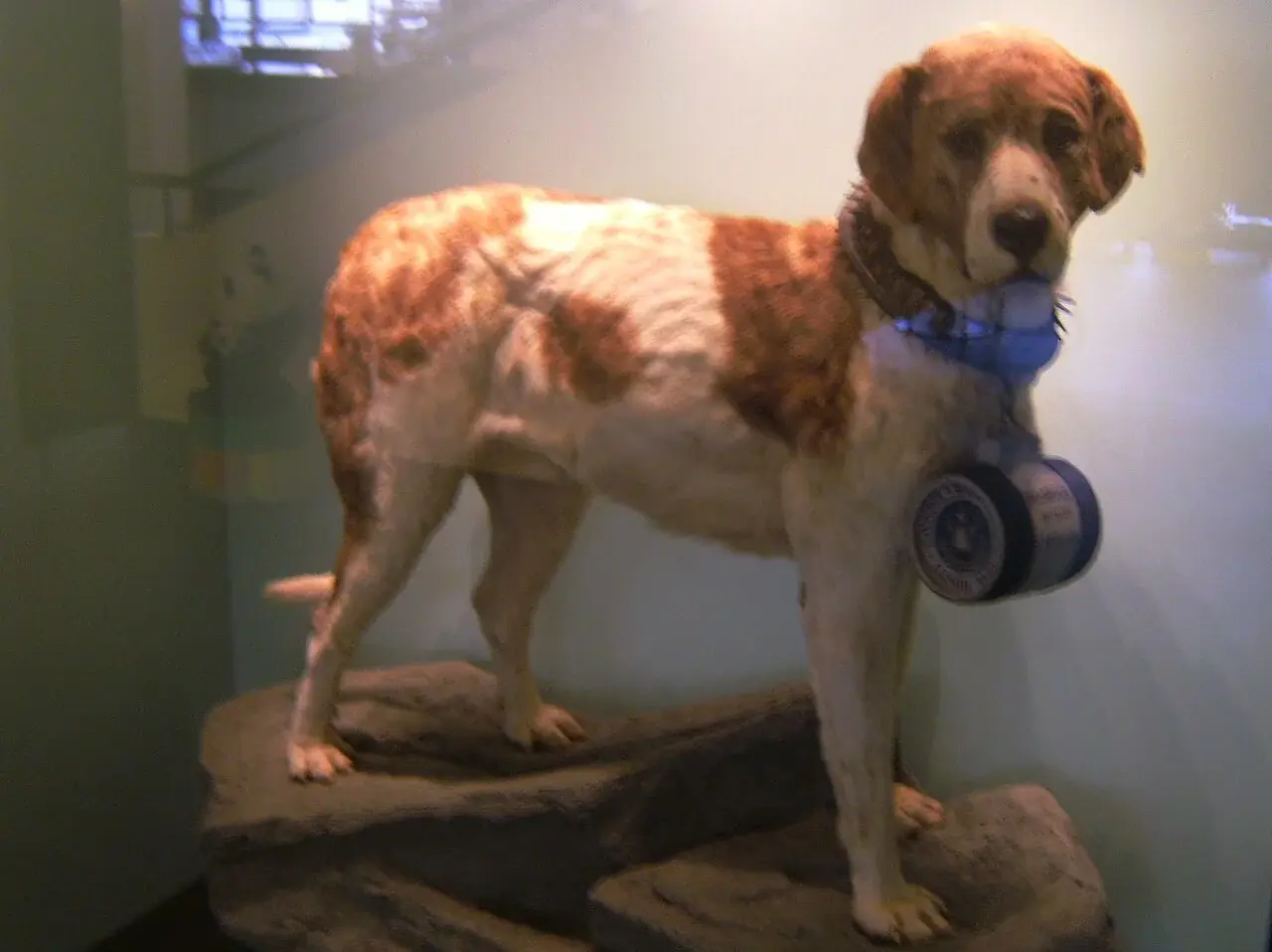
A real Alpine dog whose reputation grew from hospice service, even though detailed rescue records were never kept.