


 Photograph
Blowing Puffer Fish · CC BY 2.0
Hero Dogs
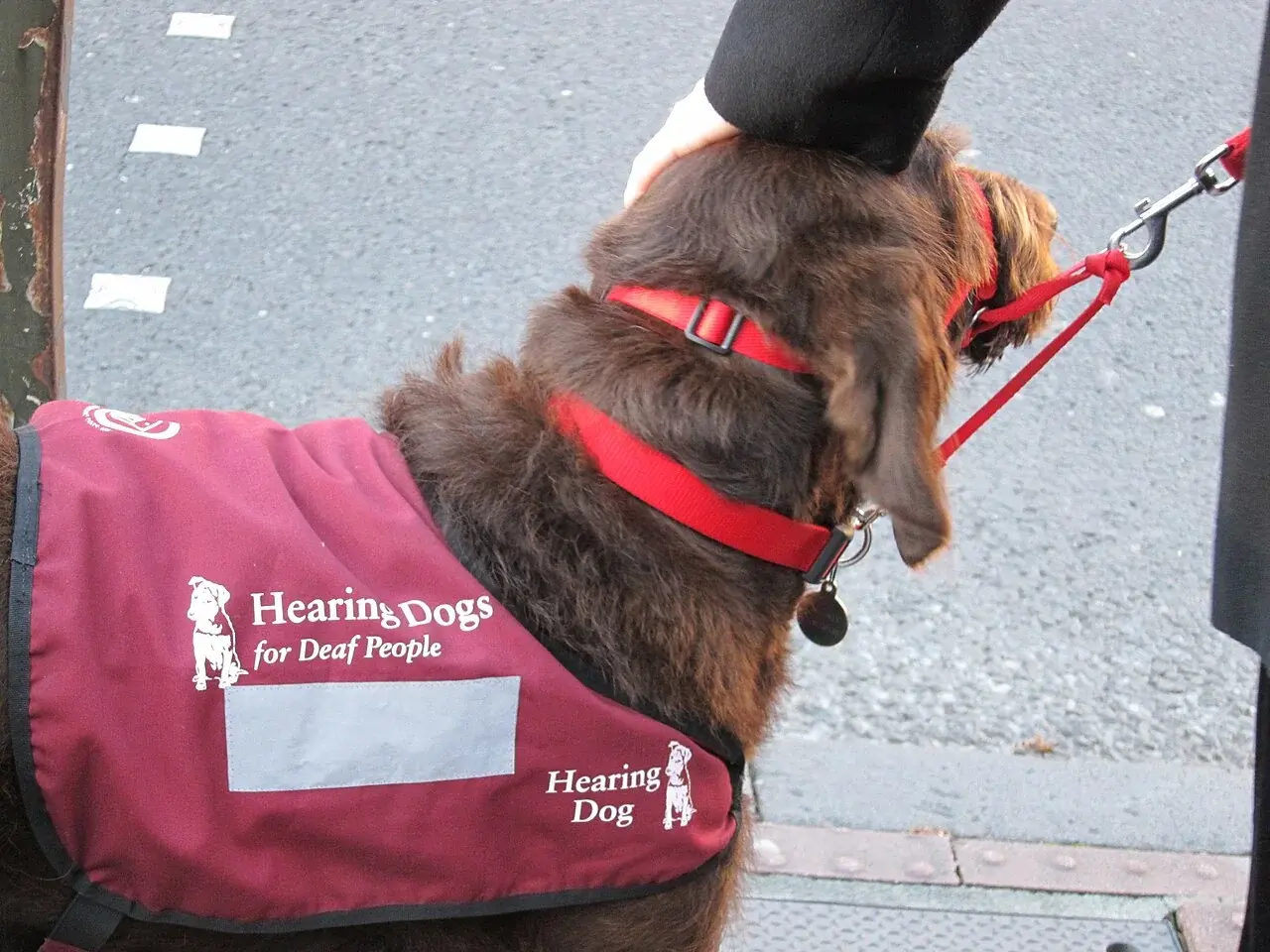
Alert Ears and Wagging Tails: How Hearing Dogs Help Their Partners
A dog-focused look at the training and daily work of hearing dogs, drawn from one UK charity’s own descriptions.
All the News That's Fit to Bark!
Handlers read subtle changes in a dog’s body language and reward successful alerts with play, turning the animals’ natural drive into a tool for finding hidden threats.
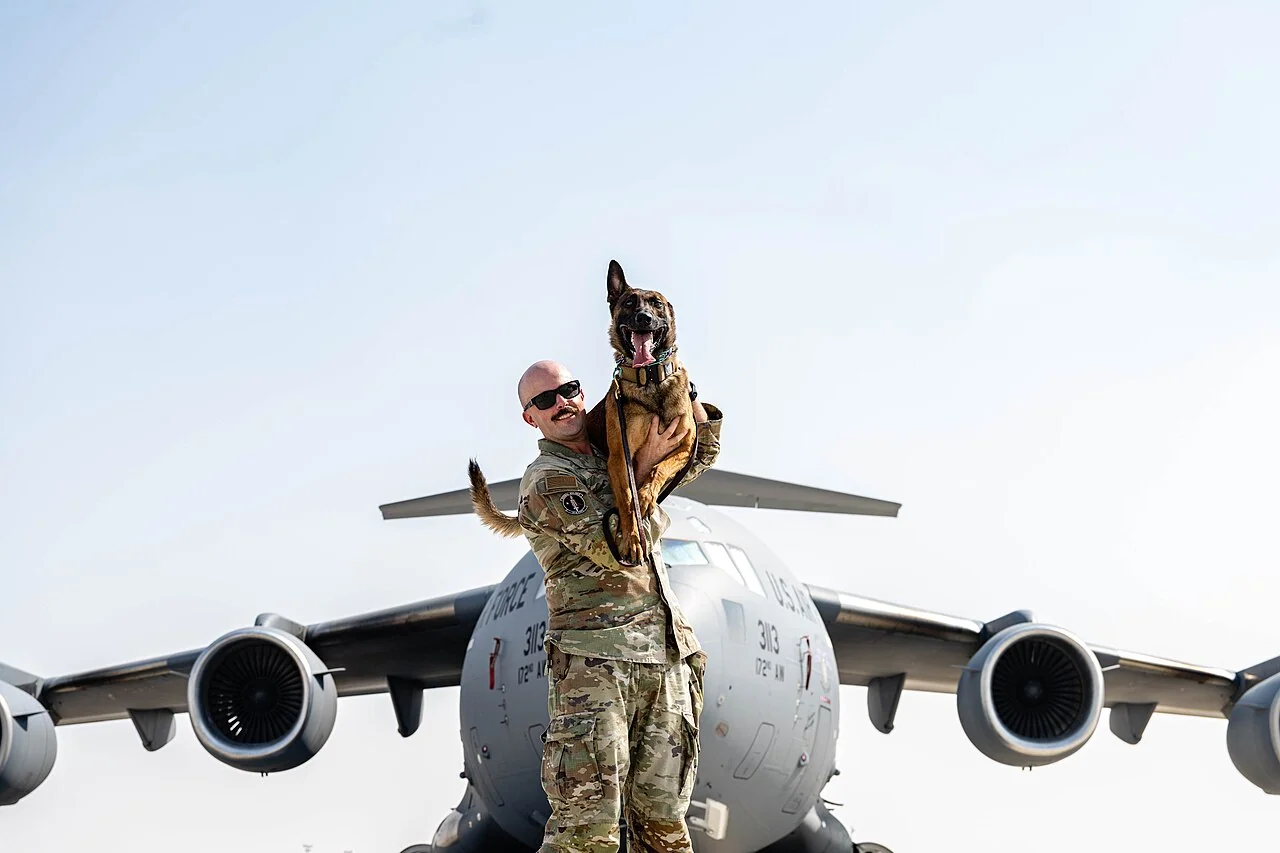
U.S. Air Force military working dog handler carries his military working dog over his shoulder within the U.S. Central Command area of responsibility, October 2024. (U.S. Air Force photo by Senior Airman Violette Hosack) U.S. Air Force photo by Senior Airman Violette Hosack · Public domain · Web size optimized; source linked for the original.
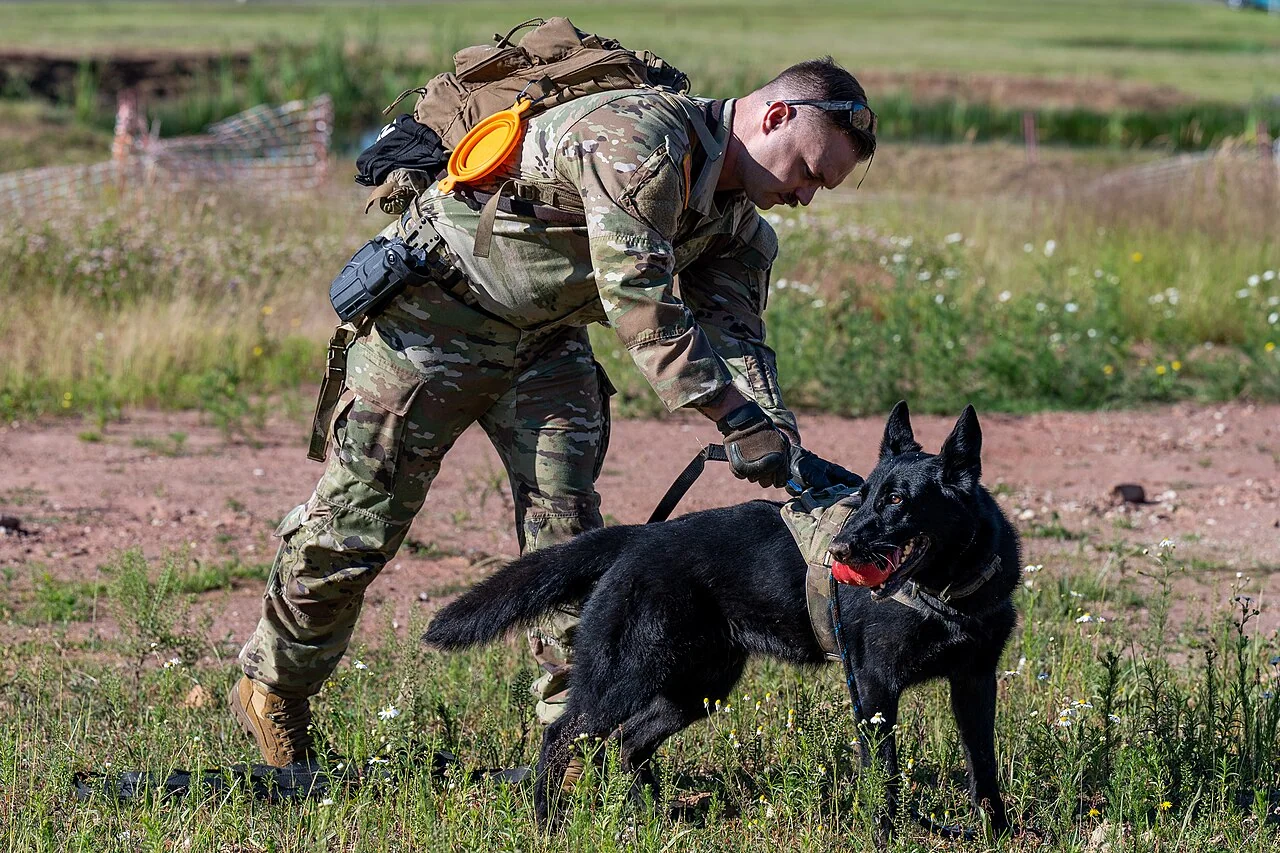
Military working dogs have become essential partners for troops searching for improvised explosive devices and weapons caches. Their keen sense of smell, paired with careful training that relies on positive reinforcement, allows them to signal danger long before humans spot it. Evidence from operations in Iraq and Afghanistan shows dogs reacting to explosive odors with changes in ear position, tail movement, or search patterns. Handlers interpret these signals and reward the dog with a favorite toy, reinforcing the behavior without force. While no centralized count exists for every discovery, individual accounts illustrate how these animals contribute to safer patrols. The approach blends the dog’s instincts with the handler’s observation, creating a partnership that has saved lives even if exact totals remain untracked.
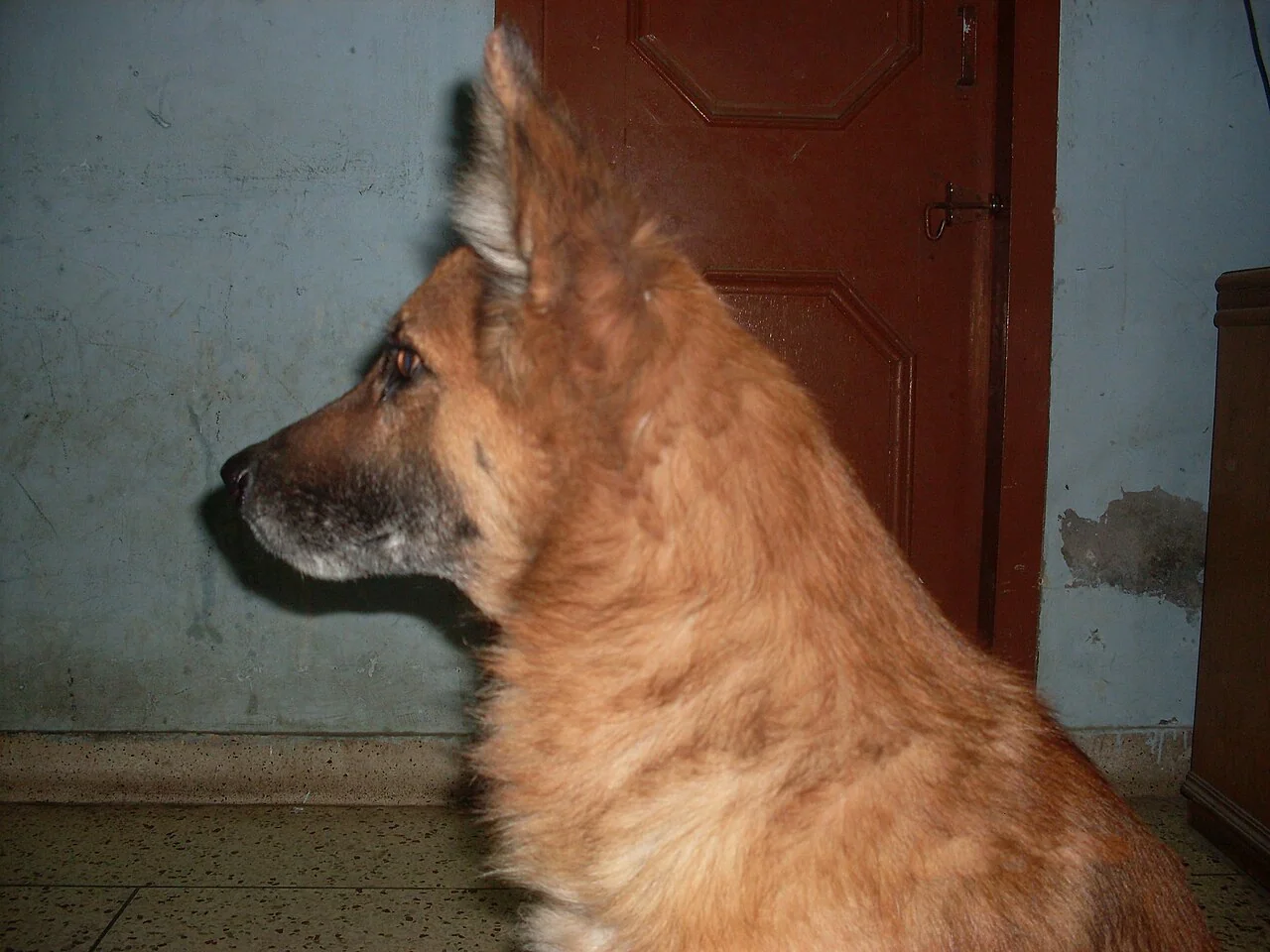
Each military working dog shows a unique reaction when it detects an explosive odor. Handlers learn to watch for small cues such as a slight perk of the ears, a change in the speed of the tail wag, or a shift in movement. These signals can appear before the dog reaches the source, giving the team time to respond. In one documented case, a dog named Zasko used a bracketing motion—moving side to side while sniffing—rather than a full trained sit to show interest in an unfamiliar homemade explosive scent. The handler recognized the change and investigated further, leading to the discovery.
This reliance on individual body language means handlers must build close relationships with their dogs. The evidence highlights that no two animals respond exactly alike, so training emphasizes observation over rigid commands. Play rewards after a correct alert strengthen the bond and keep the dog motivated. Light humor often surfaces in handler stories about learning to “speak dog,” yet the work remains serious: missing a signal could have dangerous consequences. Reading these cues accurately turns a natural canine ability into a reliable detection method during patrols.
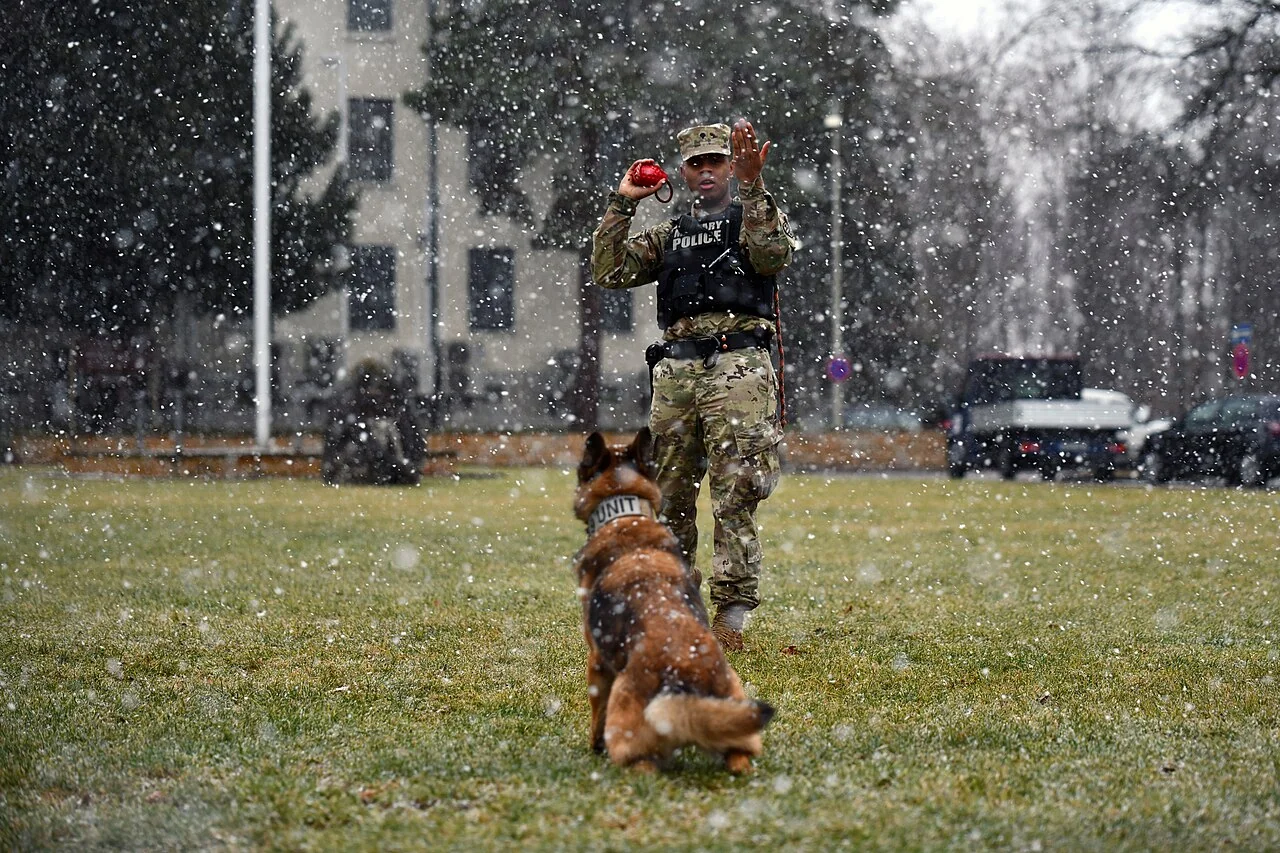
Military working dogs are rewarded with play time using a favorite toy after they indicate a find. This positive reinforcement builds consistent behavior and strengthens the bond between dog and handler. Sources describe dogs loving both the work and the subsequent game, whether the toy is a four-inch ball or another preferred object. The routine helps maintain focus during long searches and reduces stress in challenging environments.
Evidence from multiple deployments shows this reward system in action. After locating explosives or related items, the dog receives immediate play, reinforcing the link between odor detection and positive outcome. Handlers note that dogs appear eager to continue searching once they know a reward follows success. This method avoids punishment and instead taps into the animal’s natural drive, making the detection process more reliable over time. The approach also serves as a practical lesson in animal welfare: happy, motivated dogs tend to perform better under pressure.
Some specialized search dogs operate off-leash, ranging 200 to 300 meters ahead of their handlers. They respond to voice commands and hand signals while scanning for weapons, explosives, ammunition, or IED components. One account details a dog named Taran, an 85-pound mix, locating a buried cache near the Syrian border that contained 50 pounds of explosives, detonation cord, sniper rounds, IED shells, fake passports, and detonators. Such finds demonstrate the reach and independence these animals can achieve when properly trained.
Effective communication is essential in these scenarios. Handlers must trust the dog’s signals while remaining ready to interpret them correctly from a distance. The evidence underscores that this teamwork reduces risk to soldiers by identifying threats early. At the same time, it raises practical questions about how much autonomy a dog should have in combat zones and how handlers maintain control without constant physical presence. The balance between independence and guidance appears central to successful operations.
No centralized database tracks every explosive find by military working dogs in Iraq or Afghanistan. As a result, claims of specific tallies or total lives saved remain difficult to verify. Sources explicitly note the absence of a reliable metric, meaning broad statistics should be treated with caution. Individual stories, however, provide concrete examples of dogs contributing to mission success and troop safety.
This limitation affects how we evaluate the overall program. While single documented discoveries—like the cache found by Taran—illustrate clear value, they do not support sweeping numerical claims. Editorial analysis suggests focusing on qualitative improvements in patrol safety rather than unverified counts. Readers might ask: How can programs better document outcomes without compromising operational security? The uncertainty around totals does not diminish the observable bravery and skill shown in specific cases, but it does call for careful interpretation of success stories.
The combination of strong natural scenting ability and consistent positive reinforcement offers a model that extends beyond military use. Dogs conditioned to detect specific odors and rewarded with play show sustained motivation across varied environments. Evidence from Iraq patrols in the mid-2000s onward highlights how this tradition was rekindled to address evolving threats like IEDs.
Implications include potential applications in civilian security, disaster response, or conservation work where scent detection is valuable. Questions for further reading could explore how breed traits influence performance or how training schedules might be adapted for different odors. While humor about dogs “earning their keep” with toys lightens the conversation, the core remains serious: these animals perform demanding work that supports human safety. Programs continue to refine handler-dog partnerships, emphasizing observation, welfare, and clear communication. The evidence supports viewing military working dogs as skilled teammates rather than simple tools, encouraging ongoing attention to their training and care.
AI-assisted original writing. This feature was revised against source material and checked for unsupported claims. Follow the references below for evidence and its limits.
PhotographBlowing Puffer Fish · CC BY 2.0
A dog-focused look at the training and daily work of hearing dogs, drawn from one UK charity’s own descriptions.
 Photograph
A look at coordinated Swiss rescue operations that include avalanche dogs, drawn from limited public descriptions of specialist teamwork.
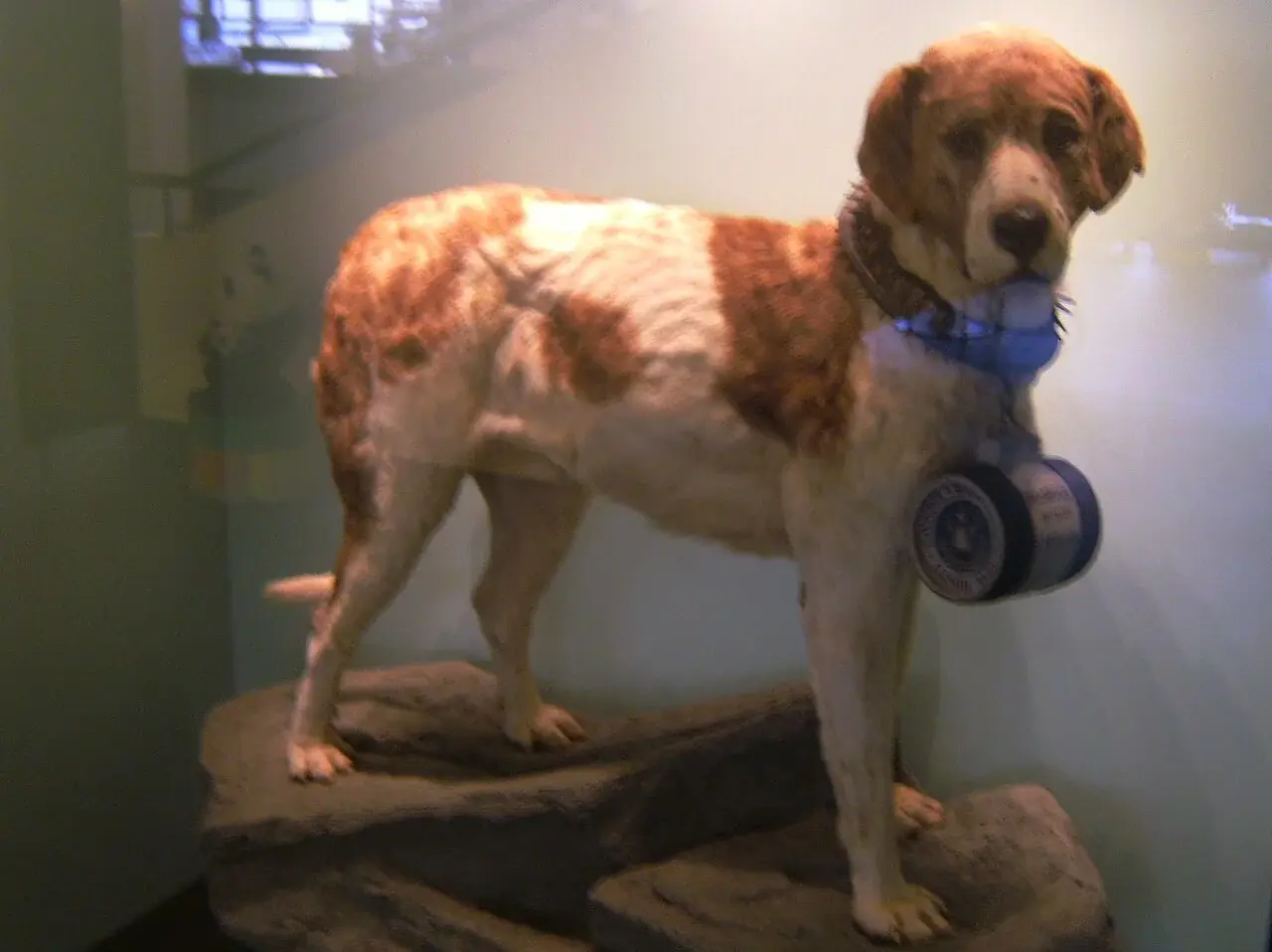
A real Alpine dog whose reputation grew from hospice service, even though detailed rescue records were never kept.