


 Photograph
Blowing Puffer Fish · CC BY 2.0
Hero Dogs
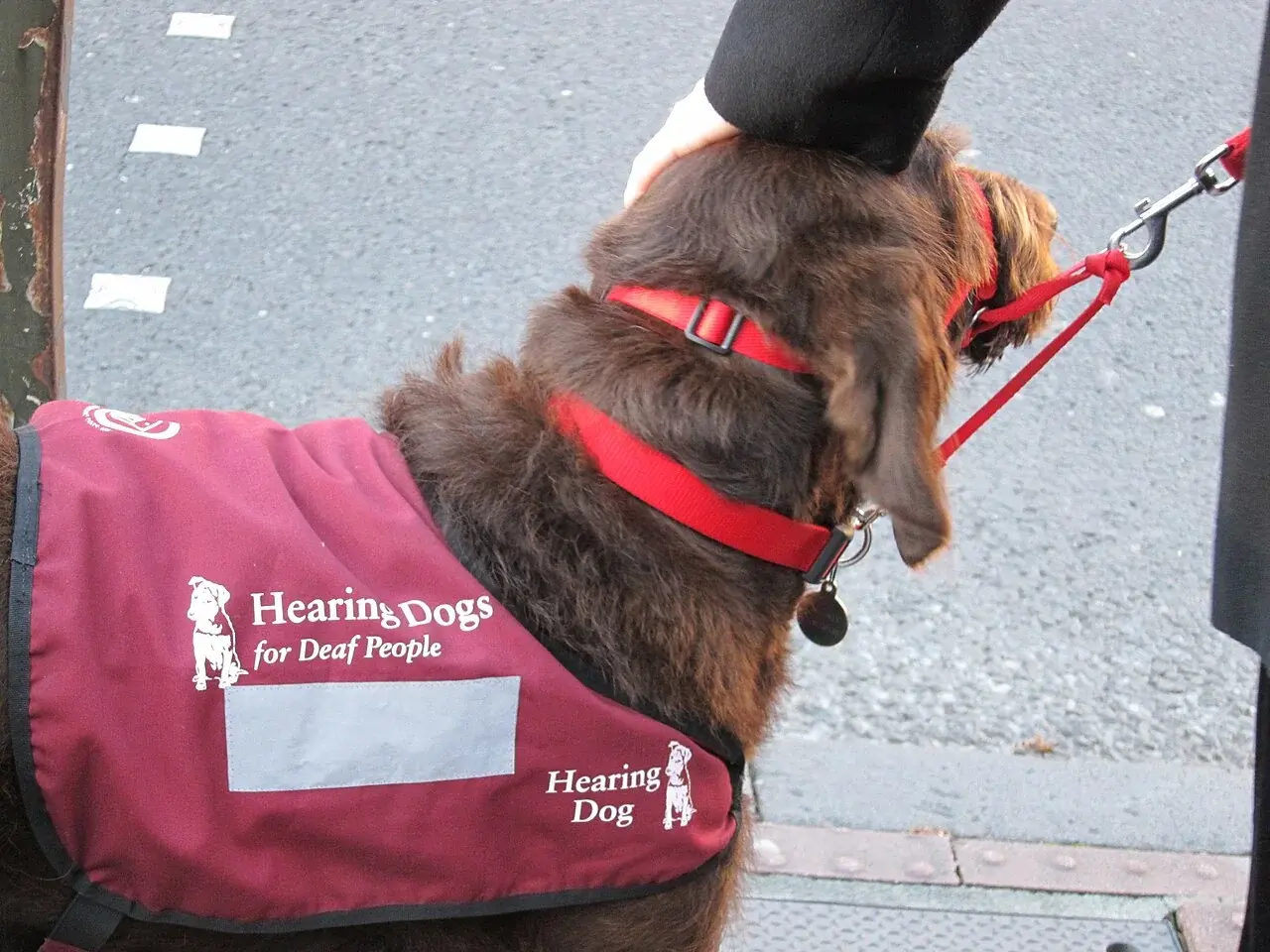
Alert Ears and Wagging Tails: How Hearing Dogs Help Their Partners
A dog-focused look at the training and daily work of hearing dogs, drawn from one UK charity’s own descriptions.
All the News That's Fit to Bark!
Conservation canines use their powerful noses to locate animal scat, supporting research without disturbing the animals themselves.
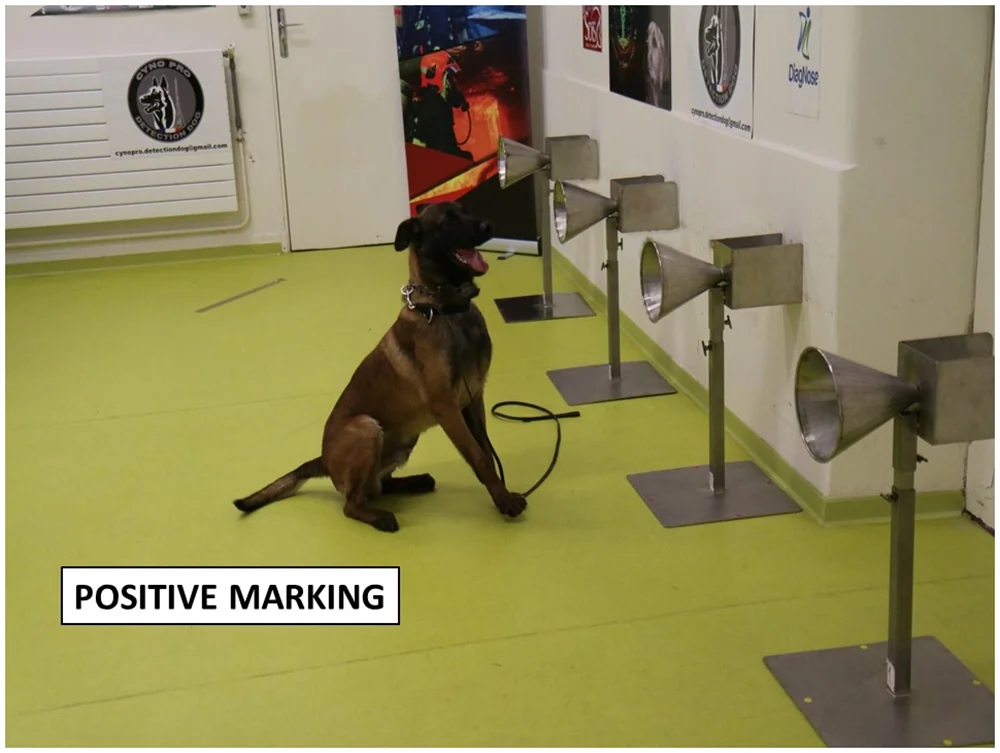
Detection dog sitting beside scent marking cones during positive marking training. Authors of the study: Dominique Grandjean , Riad Sarkis , Clothilde Lecoq-Julien , Aymeric Benard , Vinciane Roger , Eric Levesque , Eric Bernes-Luciani , Bruno Maestracci, Pascal Morvan , Eric Gully , David Berceau-Falancourt , Pierre Haufstater, Gregory Herin, Joaquin Cabrera , Quentin Muzzin , Capucine Gallet , Hélène Bacqué, Jean-Marie Broc, Leo Thomas, Anthony Lichaa, Georges Moujaes, Michele Saliba, Aurore Kuhn, Mathilde Galey, Benoit Berthail, Lucien Lapeyre, Anthoni Capelli , Steevens Renault , Karim Bachir , Anthony Kovinger , Eric Comas, Aymeric Stainmesse , Erwan Etienne , Sébastien Voeltzel , Sofiane Mansouri , Marlène Berceau-Falancourt , Aimé Dami, Lary Charlet, Eric Ruau, Mario Issa, Carine Grenet, Christophe Billy, Jean-Pierre Tourtier , Loïc Desquilbet · CC BY 4.0 · Web size optimized; source linked for the original.
Dogs have an extraordinary sense of smell that scientists are putting to work in conservation. At the University of Washington’s Center for Conservation Biology, a program called Conservation Canines trains dogs—often adopted from shelters—to sniff out wildlife scat. This non-invasive approach helps researchers gather data about animals without needing to see or capture them. The evidence comes from university accounts published in 2021, which highlight the dogs’ abilities while noting that finding a sample is only one step in the larger research process. This article explores what these dogs can do, the limits of the work, and what it means for conservation efforts. We also consider some light-hearted “what if” scenarios to illustrate the point, clearly labeled as fictional.
A dog’s sense of smell is far more sensitive than a human’s, allowing them to detect scents that are faint or widely dispersed. In conservation work, this means dogs can locate animal droppings, or scat, across large areas of land or even in challenging environments. The University of Washington account explains that these dogs are trained to find specific targets, including wildlife scat, which researchers then collect and analyze for information about diet, hormones, genetics, and environmental contaminants.
This method avoids stressing the animals, as the dogs simply alert their handlers to the presence of scat without pursuing the wildlife. The 2021 university description presents this as a practical tool that complements other research techniques. It is important to note that the dogs do not perform the laboratory analysis themselves; locating the sample and studying its contents remain separate steps. This distinction helps keep expectations realistic about what the canine contribution actually achieves.
Many of the dogs in the Conservation Canines program come from animal shelters. The university’s account notes that these dogs are often chosen for their drive and energy rather than pedigree. This approach gives shelter animals a second chance while matching them with work that suits their natural abilities. Training relies on positive reinforcement and rewards, making the process engaging for the dogs.
Handlers work closely with each dog to build focus and reliability. One example mentioned in the 2021 piece involves a dog named Jasper, who was trained to detect a particular environmental contaminant in addition to his other tasks. The evidence does not provide details on current team size, individual dog ages, or long-term program statistics, so those specifics are omitted here. The emphasis remains on the general principle that motivated dogs, properly trained, can become effective partners in scientific fieldwork.
While scat detection is a primary task, the program has also explored other uses for the dogs’ noses. The university materials describe training for different environmental targets beyond wildlife. This flexibility shows how the same core skill—distinguishing a specific scent amid many others—can be applied creatively.
For instance, the account references a project involving PCBs, with Jasper demonstrating the potential for dogs to assist in pollution-related research. However, the sources treat these as illustrative examples rather than comprehensive outcomes. Readers should keep in mind that success in one project does not automatically translate to every context. The evidence leaves open questions about scalability and consistency across different habitats or target substances.
Despite their impressive abilities, conservation dogs are not a complete solution. The university accounts are careful to separate the act of locating scat from the scientific analysis that follows. Dogs indicate where a sample is; humans must still collect, preserve, and study it in a lab. This two-stage reality means that canine assistance, while valuable, depends on the rest of the research team.
Terrain, weather, and the age of the scat can all affect performance. The 2021 descriptions do not claim universal success rates or specific detection distances, so such numbers are not included here. Acknowledging these practical boundaries helps prevent overhyping the dogs’ role. It also underscores the collaborative nature of the work—dogs and humans each bring different strengths to the table.
The use of shelter dogs in conservation carries a quiet appeal: animals that might have faced uncertain futures are now helping protect other species. This feels like a small win for animal welfare on multiple fronts. At the same time, the evidence is narrow—two university web accounts from 2021—so conclusions must stay modest. We cannot assume the program’s scale or impact has remained constant since those publications.
What questions does this raise for readers? How might expanding scent detection affect funding priorities in conservation science? Could similar approaches work in citizen-science projects, or would that introduce too many variables? These are worth pondering even if the sources do not answer them directly. A light fictional scenario might illustrate the point: imagine a dog named Scout who, in a satirical short story, sniffs out not only bear scat but also lost hiking boots and forgotten sandwiches—clearly an invented tale meant only to amuse, not to report real events. In reality, the dogs stick to their trained targets, and the work remains serious science with clear methodological limits.
The broader implication is that tools like conservation canines remind us to value diverse skills in research, including those that come from the animal kingdom. They also highlight the importance of transparent reporting so that enthusiasm does not outpace evidence. When considering support for such programs, ask where the data comes from and what remains unproven. That critical lens keeps conservation efforts both hopeful and honest.
AI-assisted original writing. This feature was revised against source material and checked for unsupported claims. Follow the references below for evidence and its limits.
PhotographBlowing Puffer Fish · CC BY 2.0
A dog-focused look at the training and daily work of hearing dogs, drawn from one UK charity’s own descriptions.
 Photograph
A look at coordinated Swiss rescue operations that include avalanche dogs, drawn from limited public descriptions of specialist teamwork.
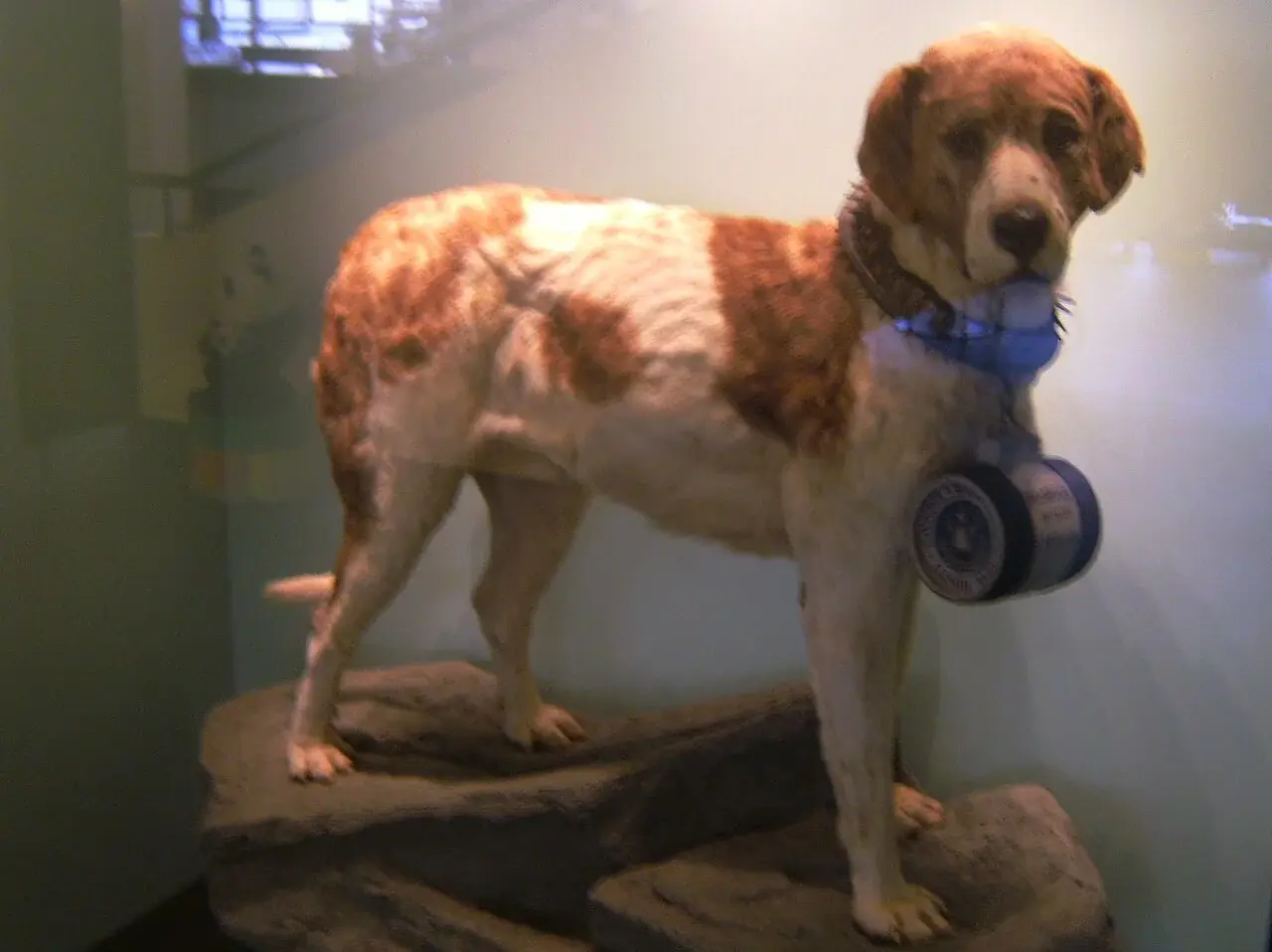
A real Alpine dog whose reputation grew from hospice service, even though detailed rescue records were never kept.