


 Photograph
Blowing Puffer Fish · CC BY 2.0
Hero Dogs
Alert Ears and Wagging Tails: How Hearing Dogs Help Their Partners
A dog-focused look at the training and daily work of hearing dogs, drawn from one UK charity’s own descriptions.
All the News That's Fit to Bark!
Preserved by the Smithsonian’s National Postal Museum, Owney’s story offers a glimpse into the working lives of late-19th-century postal clerks and the bonds they formed with an adopted stray.
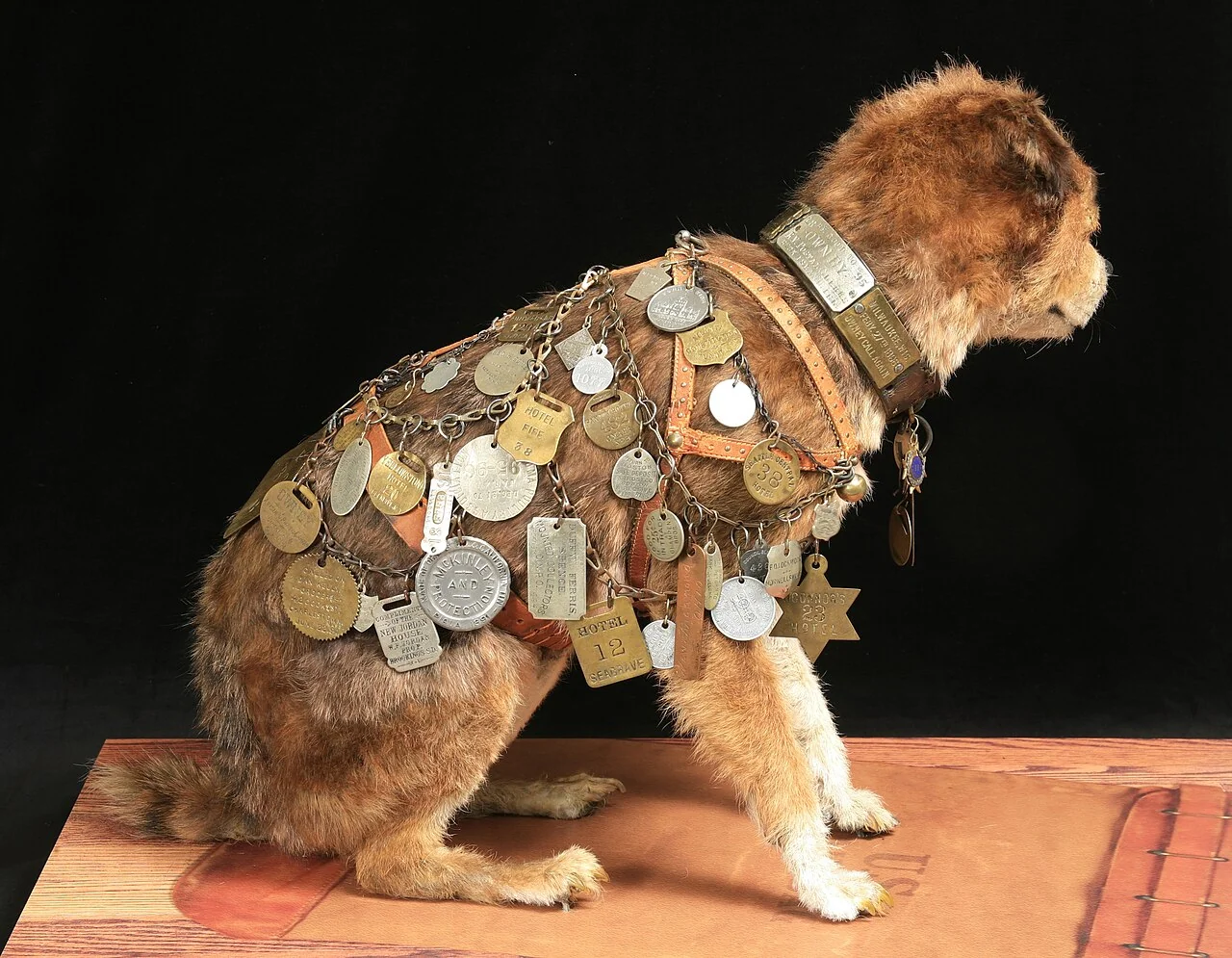
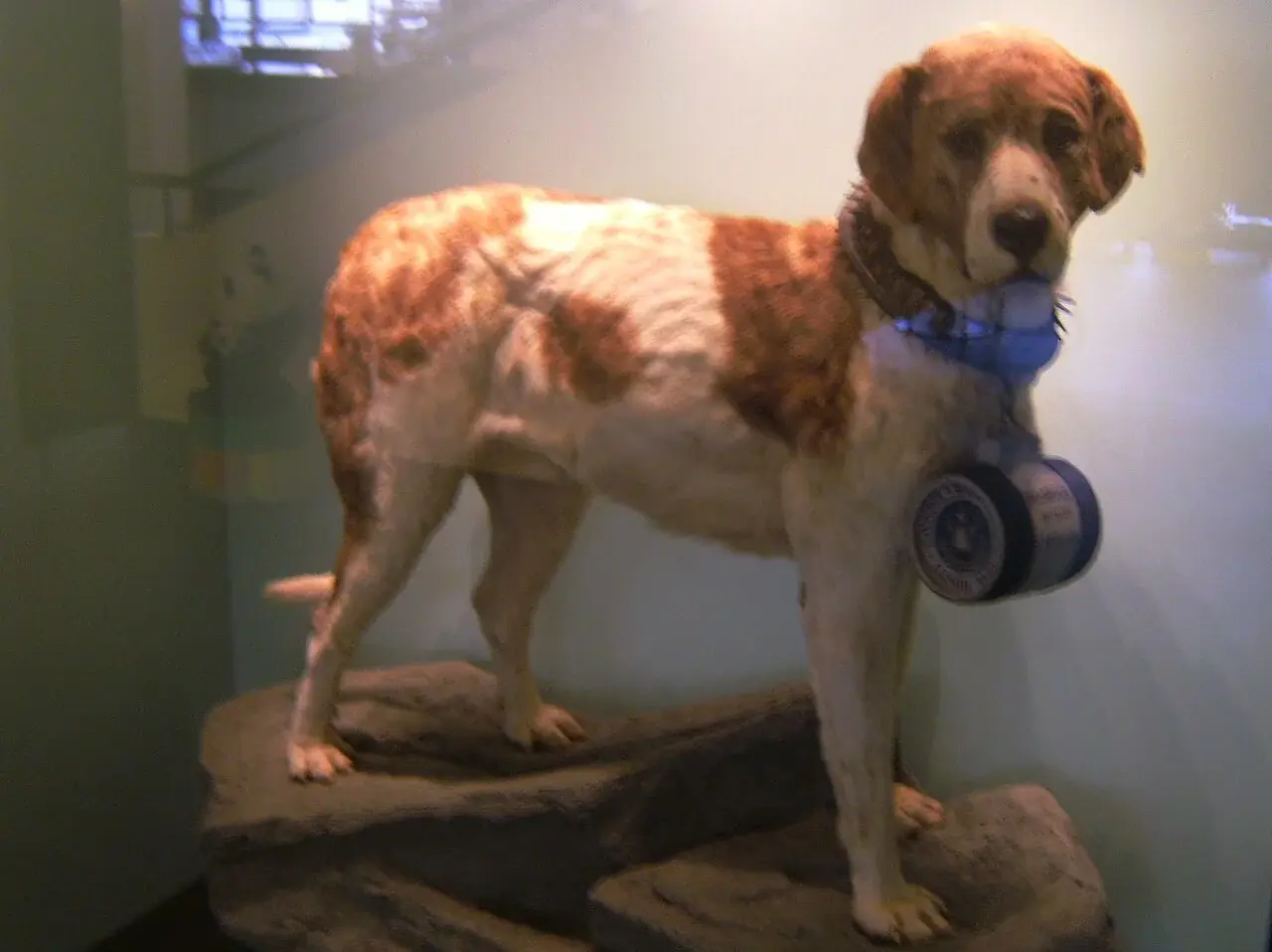
Taxidermied Owney with mail tags on display at the Smithsonian National Postal Museum (2011 photograph of historic artifact) Smithsonian Institution · CC0 1.0 · Web size optimized; source linked for the original.
In the late 1880s a stray dog wandered into the Albany, New York, post office and stayed. Known simply as Owney, the terrier-like dog became an unofficial mascot for the Railway Mail Service. Today the Smithsonian National Postal Museum holds his preserved body and the hundreds of tags and medals he collected during years of travel with postal workers. The evidence for his story is narrow but clear: museum records document his association with clerks and the collection of travel tokens he wore. This article stays strictly within those preserved details, adding editorial questions about what his popularity reveals about the human need for companionship in demanding jobs. No specific routes, dramatic rescues, or invented awards appear here—only what the museum’s own exhibition and records support.
Owney first became associated with postal workers at the Albany post office in the late 1880s. According to the Smithsonian National Postal Museum, the dog simply showed up one day and the clerks allowed him to remain. He quickly attached himself to the men who sorted and transported mail, riding along on their wagons and trains. The museum notes that Owney’s presence provided a welcome distraction during long, repetitive shifts.
From an editorial perspective this small beginning raises gentle questions about why a working environment so readily adopts an animal. Postal work in that era involved early mornings, heavy sacks, and constant travel. A dog that asked for nothing beyond companionship and the occasional pat may have lightened the mood without adding to the workload. The museum’s careful preservation of his story suggests that even a nameless stray could become memorable when he offered uncomplicated loyalty. Readers might ask themselves: in today’s high-pressure workplaces, what small comforts still serve the same quiet purpose?
The museum’s records stop short of describing Owney’s exact appearance or personality beyond the fact that clerks tolerated and then celebrated his company. This restraint is useful. It prevents romanticizing the past while still allowing us to picture a scruffy dog curled beside mailbags. Light humor surfaces naturally here: one can imagine the first clerk who tried to shoo him away only to discover the dog had already claimed a favorite corner.
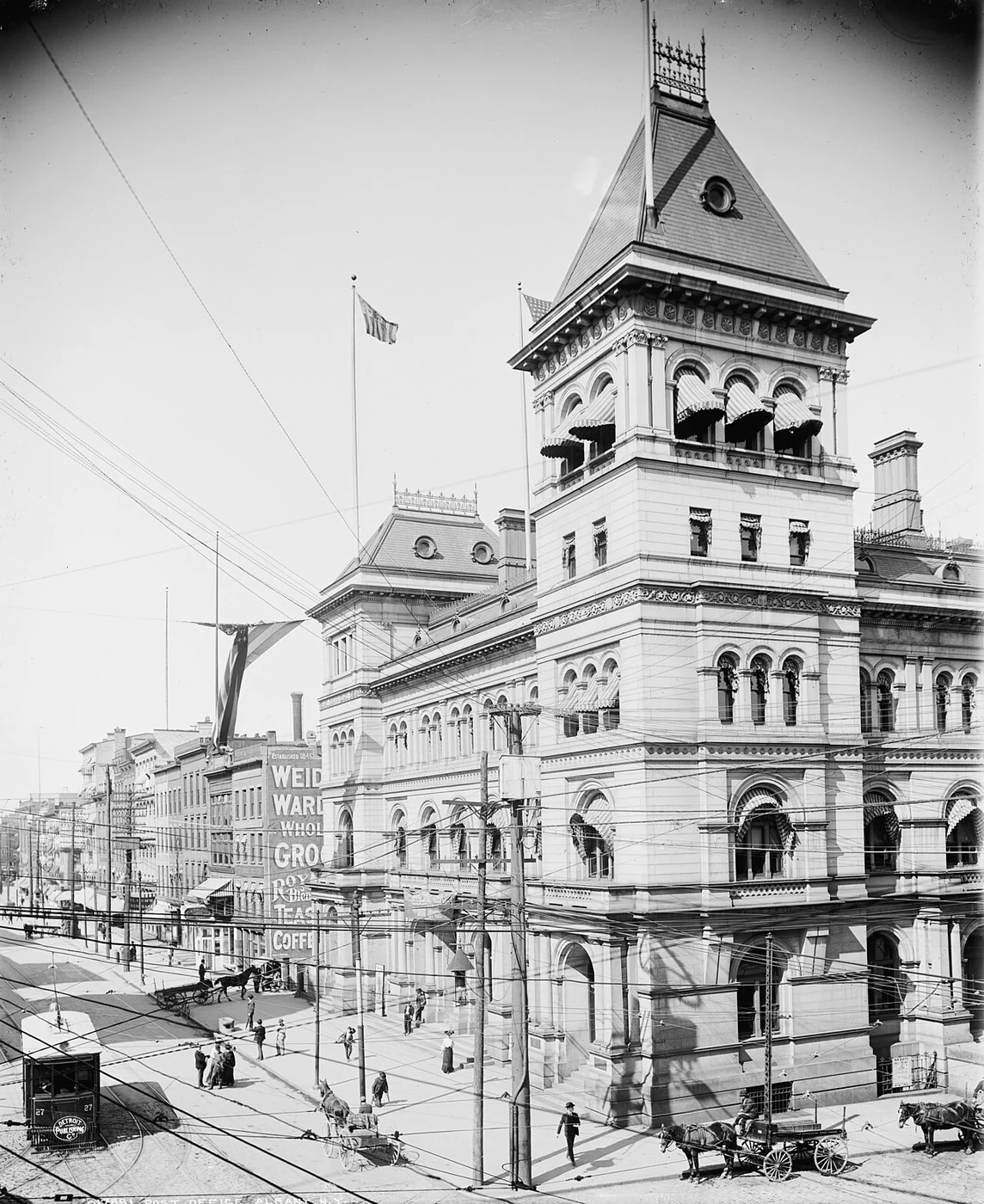
Once adopted, Owney traveled regularly with the railway mail clerks who moved sorted letters and packages between cities. The National Postal Museum’s exhibition on mail by rail highlights his role as an informal mascot for this demanding service. Clerks evidently enjoyed his company enough to let him ride the trains alongside them, and he became a familiar sight at stations.
Editorial reflection suggests that Owney’s acceptance reflected the clerks’ own tightly bonded working culture. Railway mail work was physically taxing and sometimes dangerous, with clerks riding in cars that could derail or catch fire. A dog who chose to stay with them may have symbolized steadfastness. The museum does not claim Owney performed any official duties, yet his continued presence implies he filled an emotional need. One might wonder whether modern remote workers, isolated behind screens, feel a similar longing for a living presence that simply shows up each day.
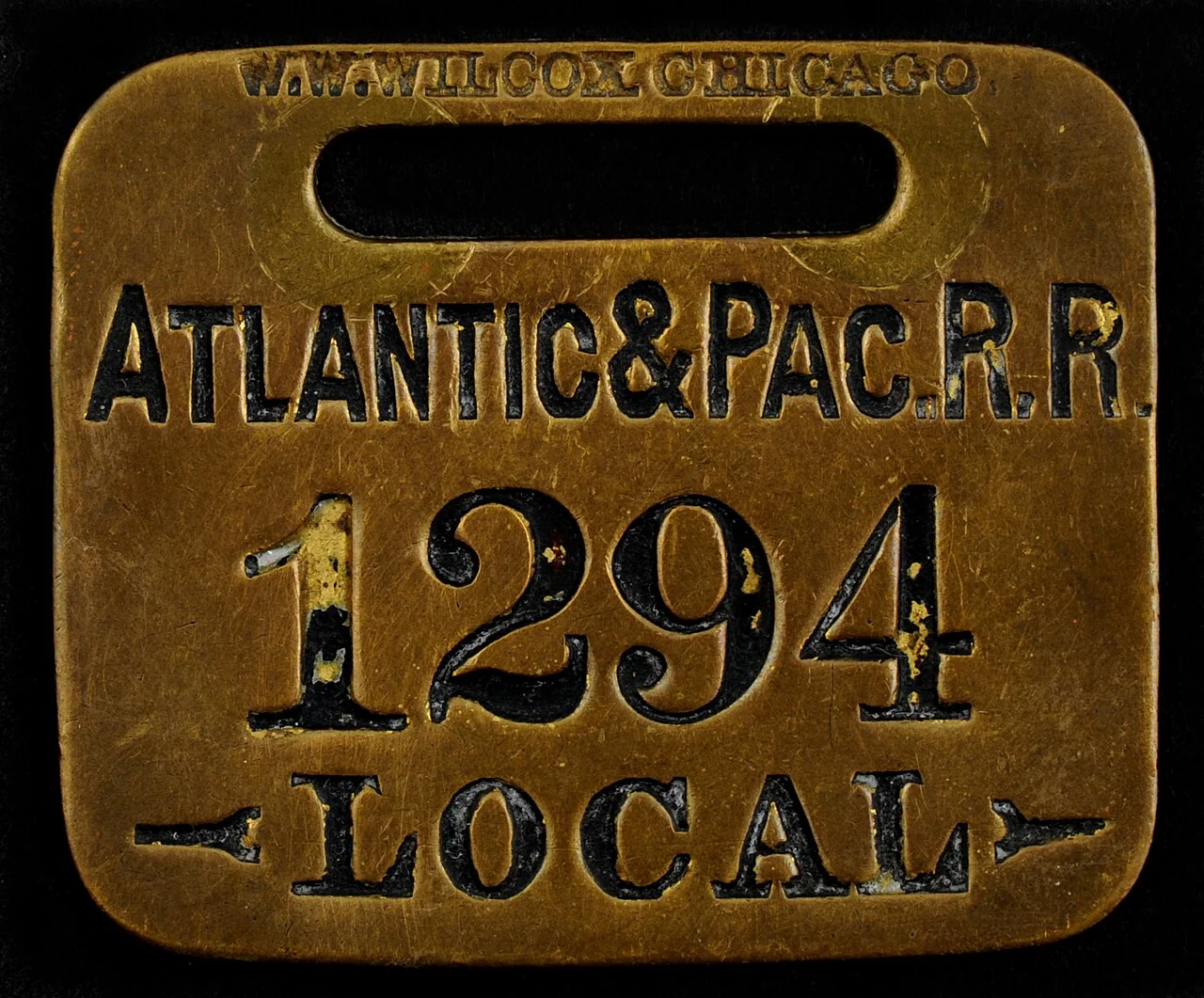
The museum’s collection includes many of the tags Owney wore, each a souvenir of a stop along his travels. These objects, rather than any dramatic narrative, form the tangible evidence of his journeys. Their sheer number hints at how widely he moved without ever leaving the postal network that had taken him in. A touch of fictional satire: imagine if today’s delivery apps issued collectible digital badges to dogs that rode along in vans; Owney would have crashed the server.
As Owney visited more post offices, clerks began attaching metal tags and medals to his collar to mark each new location. The Smithsonian National Postal Museum now preserves these tokens, which eventually grew so numerous that the weight became noticeable. The museum notes that postal workers in other cities would send the tags back with Owney when he returned to Albany.
This practice offers a window into 19th-century souvenir culture among working men. Each tag represented a shared story rather than a formal award. Editorial analysis suggests the tags functioned as a physical record of community: every new piece of metal added by distant colleagues reinforced the sense that Owney—and by extension the clerks—belonged to a larger fraternity. In an age before social media, such tangible mementos may have carried special weight. Readers could usefully ask what objects in their own lives serve a similar role of quietly saying “I was here, and so were you.”
The museum exhibition carefully avoids claiming that Owney set any travel records or received official honors. Instead it presents the tags as evidence of affection and routine. This measured approach keeps the story grounded. A humorous aside, clearly labeled as invention: picture a fictional modern version where a dog’s GPS collar pings every coffee shop and the clerks compete to see who can attach the most sarcastic digital stickers.
After Owney’s death the postal workers arranged for his body to be preserved. The Smithsonian National Postal Museum now displays him along with many of the original tags. The museum’s online resources and physical exhibition treat Owney as a genuine artifact of postal history rather than a mere curiosity.
From an editorial standpoint this decision to preserve an ordinary dog speaks volumes about institutional memory. The Railway Mail Service no longer exists, yet Owney remains a link to the men who once rode the rails sorting letters by hand. The museum’s choice to keep both the dog and the tags suggests that stories of companionship can outlast the daily grind they eased. One implication is that workplaces might benefit from noticing which small traditions or unofficial mascots help people endure difficult conditions. The museum does not romanticize the hardships, but its careful curation invites quiet reflection on them.
Limitations in the record are worth noting. The museum’s materials do not provide a precise timeline of Owney’s travels or any veterinary details. This narrowness keeps speculation in check. Editorial questions arise naturally: how many other working animals have been forgotten simply because no institution chose to remember them? Owney’s survival in the collection may be partly luck, yet it now serves a broader educational purpose.
The Smithsonian’s ongoing documentation of Owney’s story offers contemporary readers a chance to consider the emotional texture of historical labor. His simple association with the Albany post office and the Railway Mail Service reminds us that even in highly structured environments, affection and routine can coexist. The museum presents this without exaggeration, allowing the evidence of tags and preserved remains to speak for itself.
Editorial analysis suggests that Owney’s popularity stemmed from his lack of demands. He offered presence without requiring promotion, deadlines, or performance reviews. In an era of constant connectivity, that quality feels almost radical. Useful questions for readers include: what low-maintenance sources of comfort exist in your own work life? Are there unofficial mascots—human or animal—that quietly improve morale? The museum’s restraint in telling only what it can document encourages us to value similar restraint in our own storytelling.
A final light note, offered as transparent opinion rather than sourced fact: if Owney could see the crowds who now visit him behind glass, he might tilt his head in mild confusion before curling up for another nap among the mailbags of memory. His story, though narrowly documented, continues to invite warmth and curiosity across more than a century.
AI-assisted original writing. This feature was revised against source material and checked for unsupported claims. Follow the references below for evidence and its limits.
PhotographBlowing Puffer Fish · CC BY 2.0
A dog-focused look at the training and daily work of hearing dogs, drawn from one UK charity’s own descriptions.
 Photograph
A look at coordinated Swiss rescue operations that include avalanche dogs, drawn from limited public descriptions of specialist teamwork.
A real Alpine dog whose reputation grew from hospice service, even though detailed rescue records were never kept.