


 Photograph
Blowing Puffer Fish · CC BY 2.0
Hero Dogs
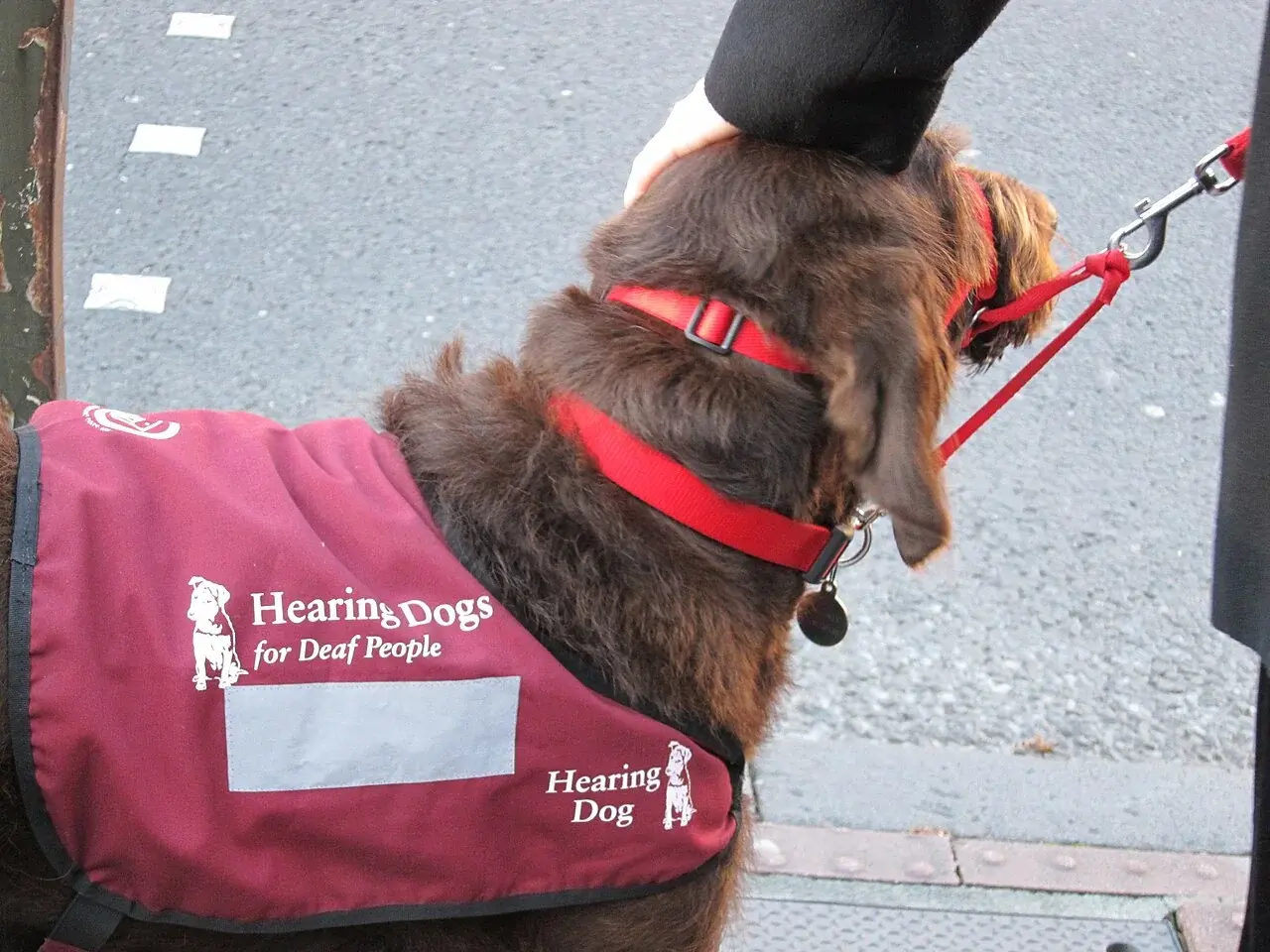
Alert Ears and Wagging Tails: How Hearing Dogs Help Their Partners
A dog-focused look at the training and daily work of hearing dogs, drawn from one UK charity’s own descriptions.
All the News That's Fit to Bark!
A review of the documented relay’s concluding stretch, grounded strictly in available archival and modeling sources.
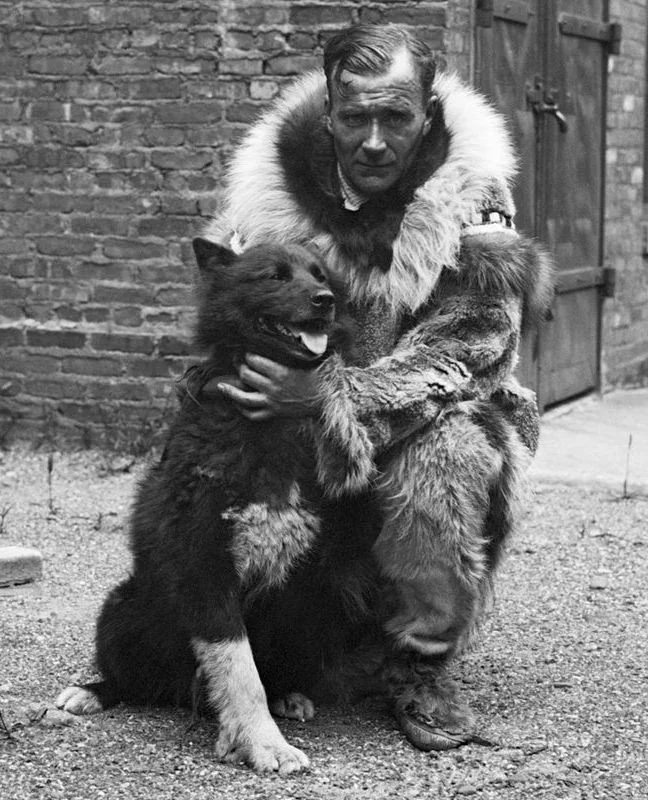
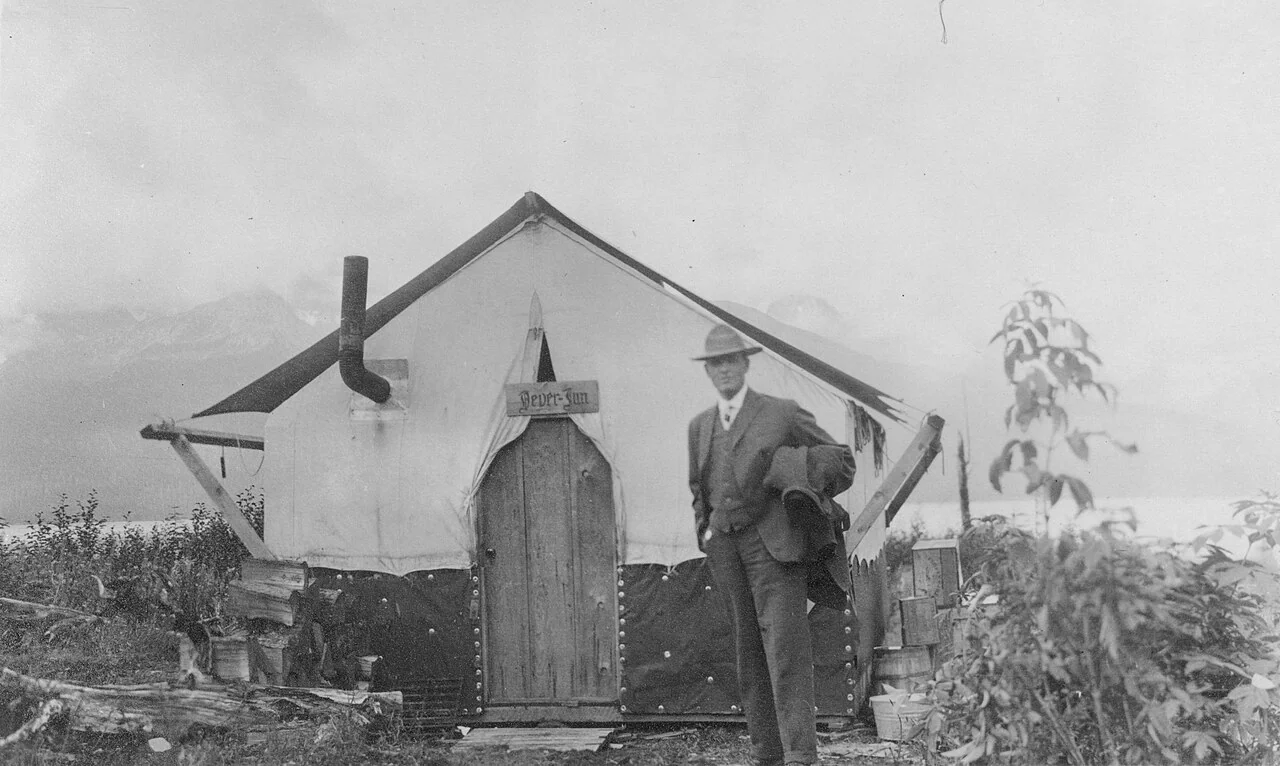
Gunnar Kaasen with Balto, lead dog of the final leg of the 1925 serum run to Nome. Archival photograph, circa 1925. Brown Brothers · Public domain · Web size optimized; source linked for the original.
In early 1925, a multi-team sled-dog relay carried diphtheria antitoxin nearly 700 miles across Alaska to the town of Nome. The final segment of this effort ended with the arrival of a team led by a Siberian husky named Balto on February 2. Contemporary official records and later reconstructions describe the run as a coordinated effort involving around twenty mushers and more than 150 dogs working in their established roles hauling freight and mail over long distances in harsh winter conditions. Modern mapping projects have attempted to trace the historic winter mail trail, offering one way to visualize the route taken. The evidence available today is limited to archival summaries and secondary models; primary logs covering the exact final leg remain only partially digitized.
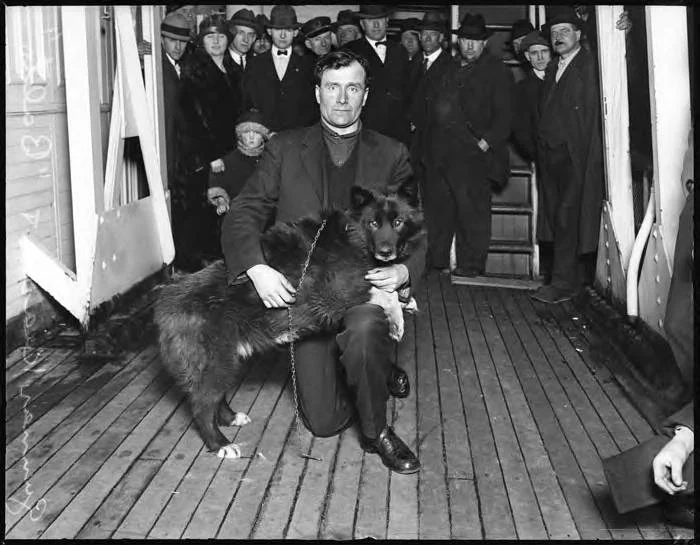
Official correspondence from the Alaska Territorial Governor’s office in 1925 records the organization of the serum relay as an emergency effort using existing mail and freight dog teams. Gunnar Kaasen and his team, with Balto in the lead, completed the last portion of the journey. Sources describe the handoff occurring at a point referred to as Bluff, where teams could transfer the package in a sheltered location along the trail. The decision to continue through deteriorating weather reflected the urgent need to deliver the antitoxin before it spoiled.
Reconstruction models of the full corridor indicate that the final leg measured approximately 53 miles according to secondary summaries drawn from historical mail-route estimates. These models note that the entire relay covered roughly 674 miles in a total recorded time of 127.5 hours. The dogs performed routine freight work familiar to them, pulling sleds over established winter trails. Uncertainty remains about precise handoff times and exact team compositions because many logs were kept under emergency conditions and later compiled from multiple accounts.
Contemporary records and reconstruction summaries describe the run occurring through subzero temperatures, high winds, frozen rivers, sea ice, and darkness. Weather notations from the Nome Coast Guard station for early 1925 provide context for local conditions, although the specific February 2 entries are not included in currently digitized portions. The serum was transported with insulating materials to protect it from freezing.
Ground blizzards and reduced visibility are mentioned in accounts of the storm that the final team faced. Working sled dogs of the period were selected for stamina and sure-footedness in Arctic travel. The physical demands on the animals during such conditions illustrate the limits of even hardy freight dogs. Today’s understanding of canine care in extreme cold emphasizes veterinary checkups for any dog facing strenuous winter activity, though this is separate from the 1925 events.
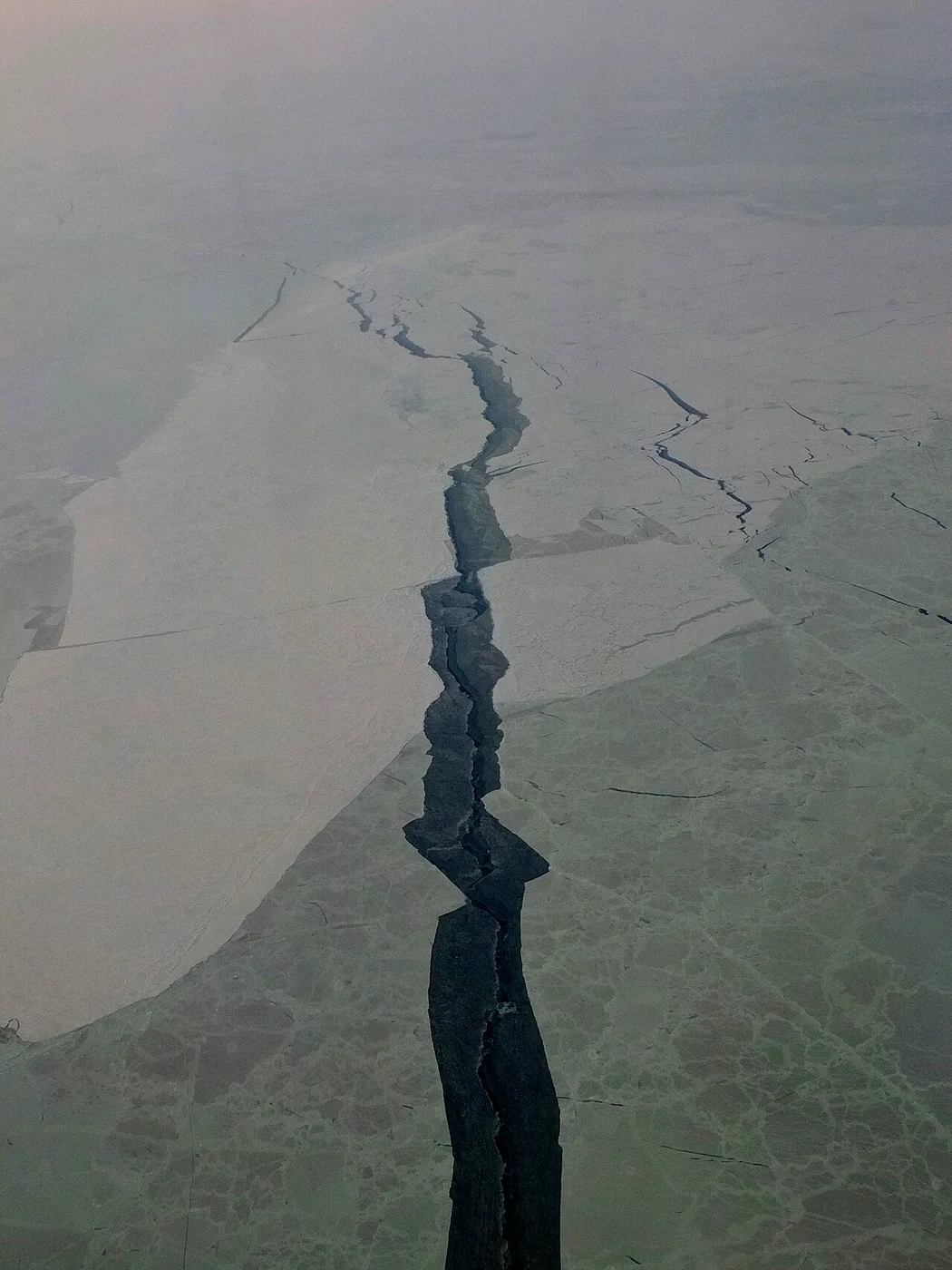
Modern reconstruction models of the 1925 winter mail trail show the final leg following the historic path along the coast of Norton Sound. These digital overlays, drawn from archival maps, depict a route that includes shoreline ice, pressure ridges, and snow drifts. The modeling indicates that the 1925 ice extended farther than current conditions, creating surfaces that could shift or crack.
The path passes landmarks such as the area near the Topkok roadhouse and ends in Nome. Because shorelines have changed over the past century, some segments of the original ice route no longer exist in the same form. The models highlight decision points where the coastal line was chosen over more sheltered inland options for speed. These visualizations serve as educational tools for understanding Arctic travel history, though they remain contemporary interpretations rather than direct 1925 GPS data.
Evidence from the period shows that Balto and the other dogs were experienced freight haulers accustomed to pulling heavy loads over long distances in Alaska. Similar teams regularly carried mail, supplies, and passengers before and after the serum run. The event did not create new roles but drew public attention to the capabilities of Siberian huskies and related breeds already working in the territory.
After the relay, some of the dogs involved were retired from long-distance sledding. The coordinated effort stands as an example of teamwork under pressure rather than the actions of any single animal. Popular accounts have sometimes emphasized individual dogs, yet the archival materials stress the relay of roughly twenty mushers and many teams. This perspective helps separate documented facts from later embellishments.
Available digitized sources, including governor’s correspondence and Coast Guard logbooks, provide valuable official context but do not contain extracted details on the exact final-leg terrain, minute-by-minute decisions, or precise distances verified by modern survey. Full files would require direct archival review. The reconstruction models explicitly note that they approximate the historic corridor and rely on secondary summaries for the 53-mile figure.
This narrow evidence base means certain specifics—such as the exact minute of the Bluff handoff or the precise wind speeds on every segment—remain unconfirmed in the materials reviewed. Readers may usefully ask how much the story’s enduring symbolism rests on the collective relay rather than any one leg. The episode still offers a clear illustration of human-canine partnership in the far north under extreme winter conditions, even when limited to what the surviving records directly support.
AI-assisted original writing. This feature was revised against source material and checked for unsupported claims. Follow the references below for evidence and its limits.
PhotographBlowing Puffer Fish · CC BY 2.0
A dog-focused look at the training and daily work of hearing dogs, drawn from one UK charity’s own descriptions.
 Photograph
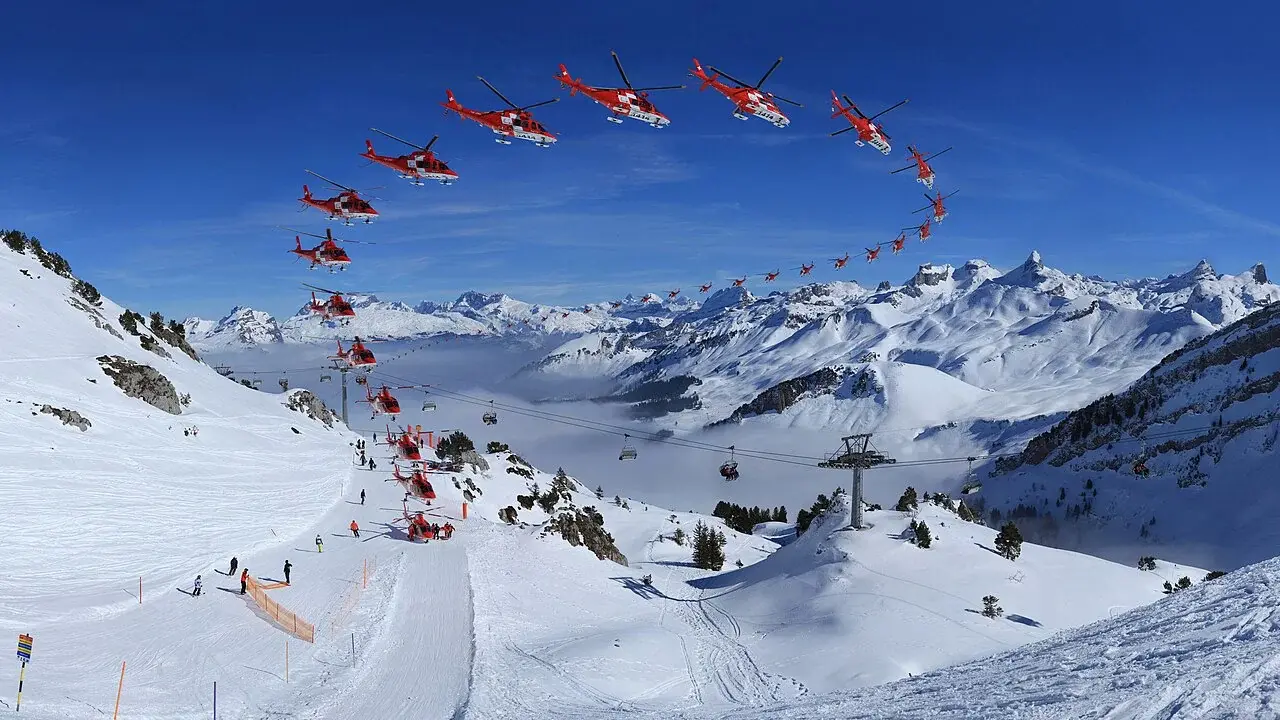
A look at coordinated Swiss rescue operations that include avalanche dogs, drawn from limited public descriptions of specialist teamwork.
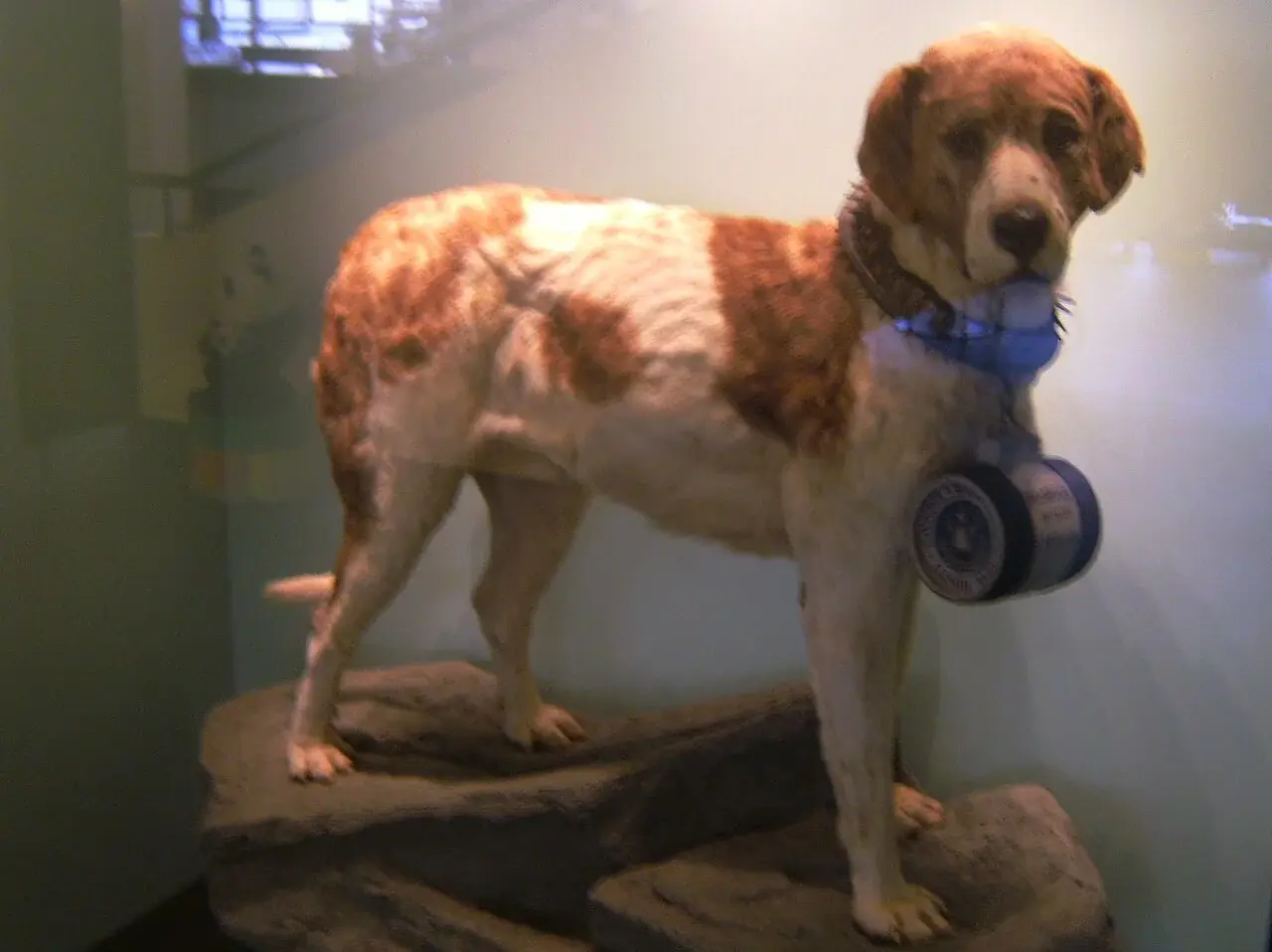
A real Alpine dog whose reputation grew from hospice service, even though detailed rescue records were never kept.