


 Photograph
Blowing Puffer Fish · CC BY 2.0
Hero Dogs
Alert Ears and Wagging Tails: How Hearing Dogs Help Their Partners
A dog-focused look at the training and daily work of hearing dogs, drawn from one UK charity’s own descriptions.
All the News That's Fit to Bark!
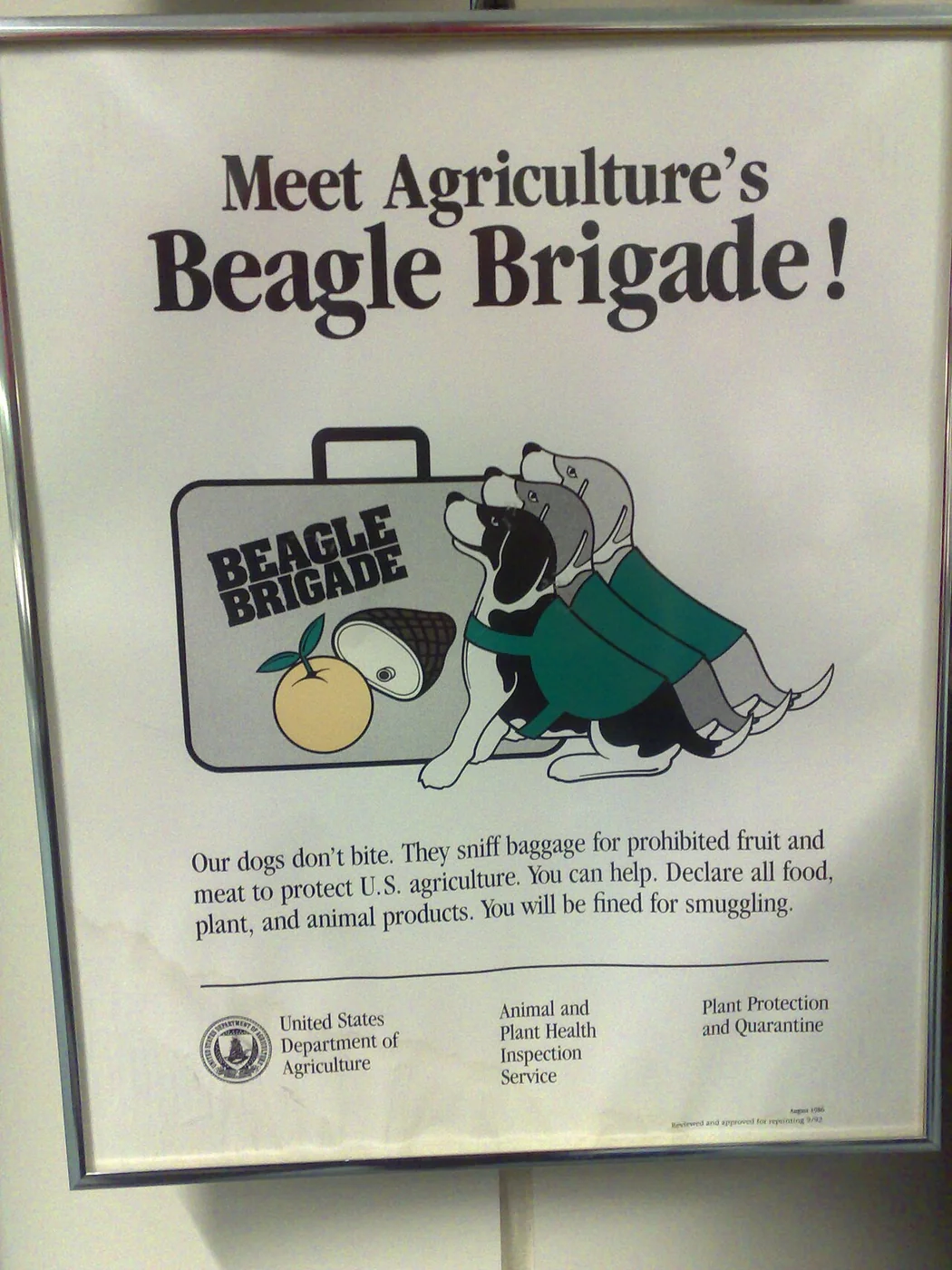
Specially trained beagles and their handlers inspect international luggage for prohibited fruit, vegetables, and meat, reducing risks to American agriculture from pests and diseases.
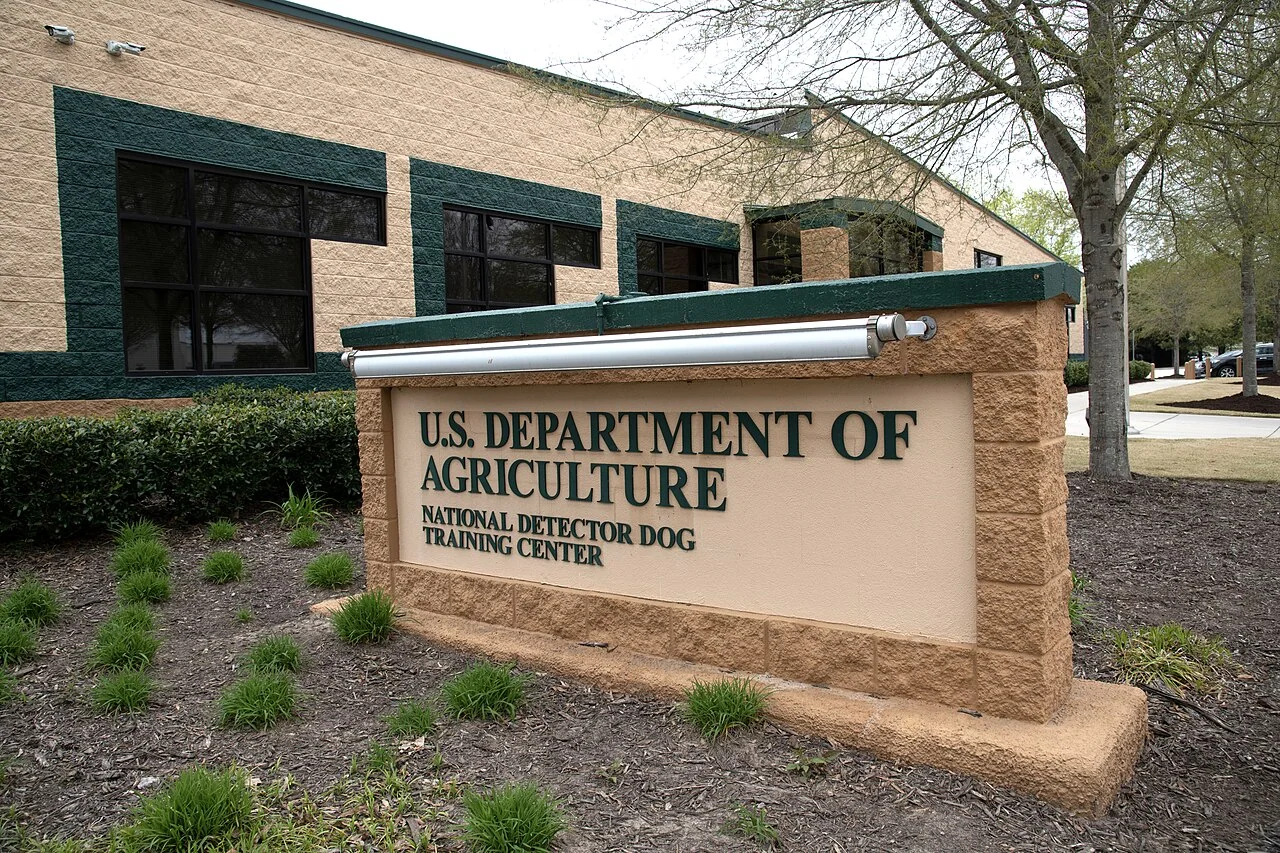
U.S. Department of Agriculture National Detector Dog Training Center, Newnan, Georgia USDAgov · Public domain · Web size optimized; source linked for the original.
At busy U.S. international airports, small teams of beagles work alongside handlers to sniff out items passengers might not realize are restricted. These dogs focus on agricultural products like fruit, meat, and plants that could carry pests or diseases harmful to U.S. farms and ecosystems. The program, which started decades ago, relies on the dogs' keen noses and calm demeanor to make inspections less intimidating for travelers while still protecting the nation's food supply. Evidence from government sources shows the approach has grown from a single pilot effort to a network of teams operating at major entry points. This article explores how the detector dogs are trained, what they achieve, and what it means for everyday travelers and broader agricultural security. Along the way, we'll consider some practical questions for anyone passing through customs with snacks in their bag.
The use of beagles to detect prohibited agricultural items began in 1984 at Los Angeles International Airport. At that time, the U.S. Department of Agriculture launched a pilot effort with one beagle trained to identify plants and animal products in passengers' luggage and carry-on bags. The program was later transferred to U.S. Customs and Border Protection in 2003, when it included about 75 canine teams. It has since expanded to more than 180 teams working at air passenger terminals and other locations. These figures come directly from official descriptions and are noted as current at the time of the source updates, though they can change.
Beagles and beagle mixes were chosen because of their strong sense of smell, manageable size, high drive for food rewards, and friendly nature around people. This combination allows the dogs to work effectively in crowded airport environments without causing alarm. The teams now operate under a partnership between USDA's Animal and Plant Health Inspection Service and the Department of Homeland Security's Customs and Border Protection. Training takes place at the National Detector Dog Training Center in Newnan, Georgia. The expansion reflects ongoing concerns about foreign pests and animal diseases that could affect U.S. agriculture if they slip past borders.
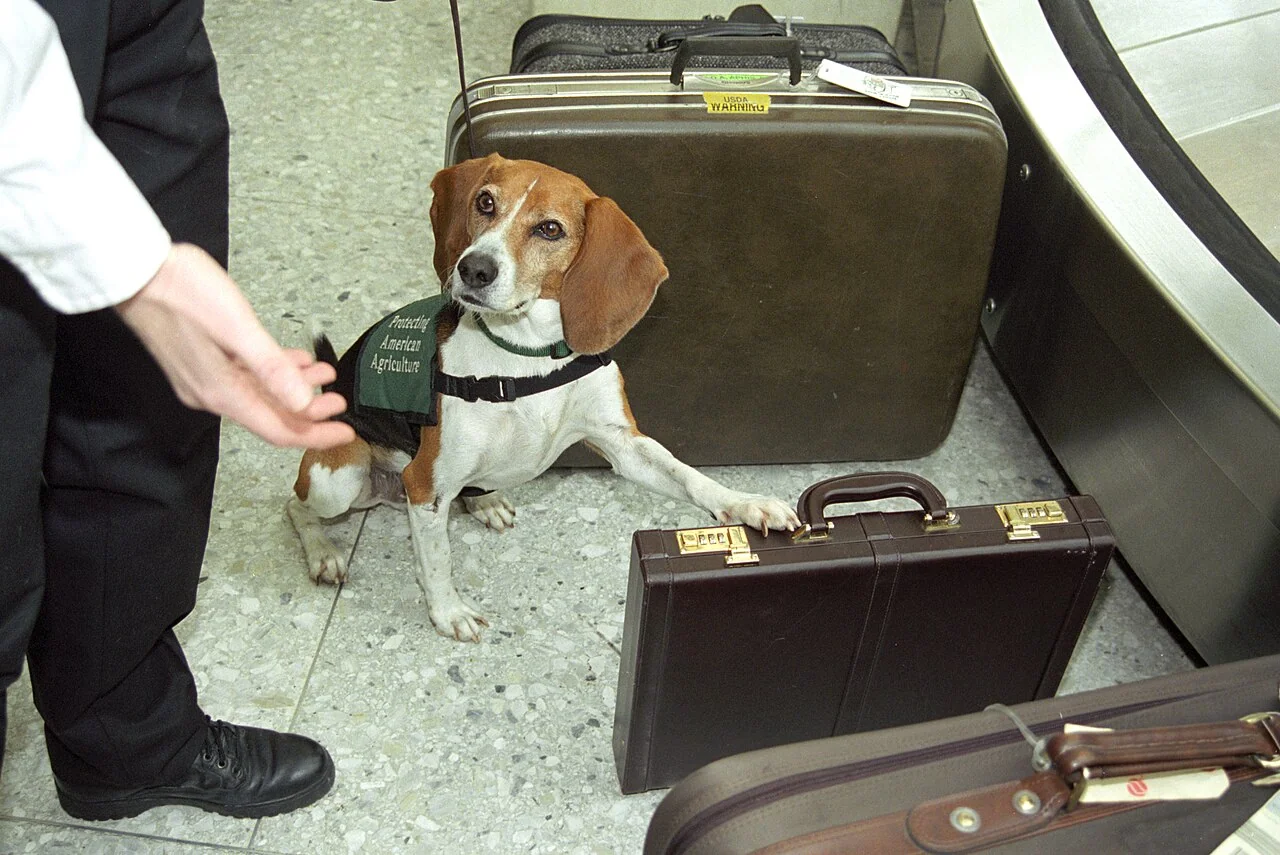
Beagles in the program typically complete initial training in eight to twelve weeks. They learn to respond passively by sitting when they detect specific scents, such as those from citrus fruit, mango, apple, beef, or pork. Over time, some dogs become familiar with nearly 50 different odors during careers that can last six to ten years. The sources emphasize that these details are program-reported and have not been independently verified in the provided documents.
The dogs focus on items from high-risk countries that might introduce harmful plant pests or foreign animal diseases. For example, meat products can carry threats like African swine fever, which is why even cooked items such as a roasted pig head have been intercepted. Handlers work in the Federal Inspection Service areas of airports, where the dogs sniff luggage. When a dog sits near a suspicious bag, it prompts further questioning, a check of customs declarations, and an inspection if warranted. Prohibited items are then confiscated. This passive response style is designed to keep interactions smooth and non-confrontational.
According to USDA documentation, beagles achieve an 80 percent success rate in detecting prohibited material after six months to a year of experience. That rate can rise to around 90 percent after two years on the job. These percentages are drawn from official program reports and come with the important caveat that actual performance may vary depending on the individual dog, the environment, and the handler's skill. The sources do not provide independent studies confirming these exact figures across all teams.
Several practical factors affect how well the dogs perform. Busy terminals with competing scents, varying passenger volumes, and differences in luggage types can all play a role. The evidence highlights that the dogs' food drive helps maintain focus during long shifts. Still, the program acknowledges that no detection method is perfect. This uncertainty invites reflection on how best to combine canine teams with other screening tools, such as X-ray machines or passenger education, to strengthen overall border protections.
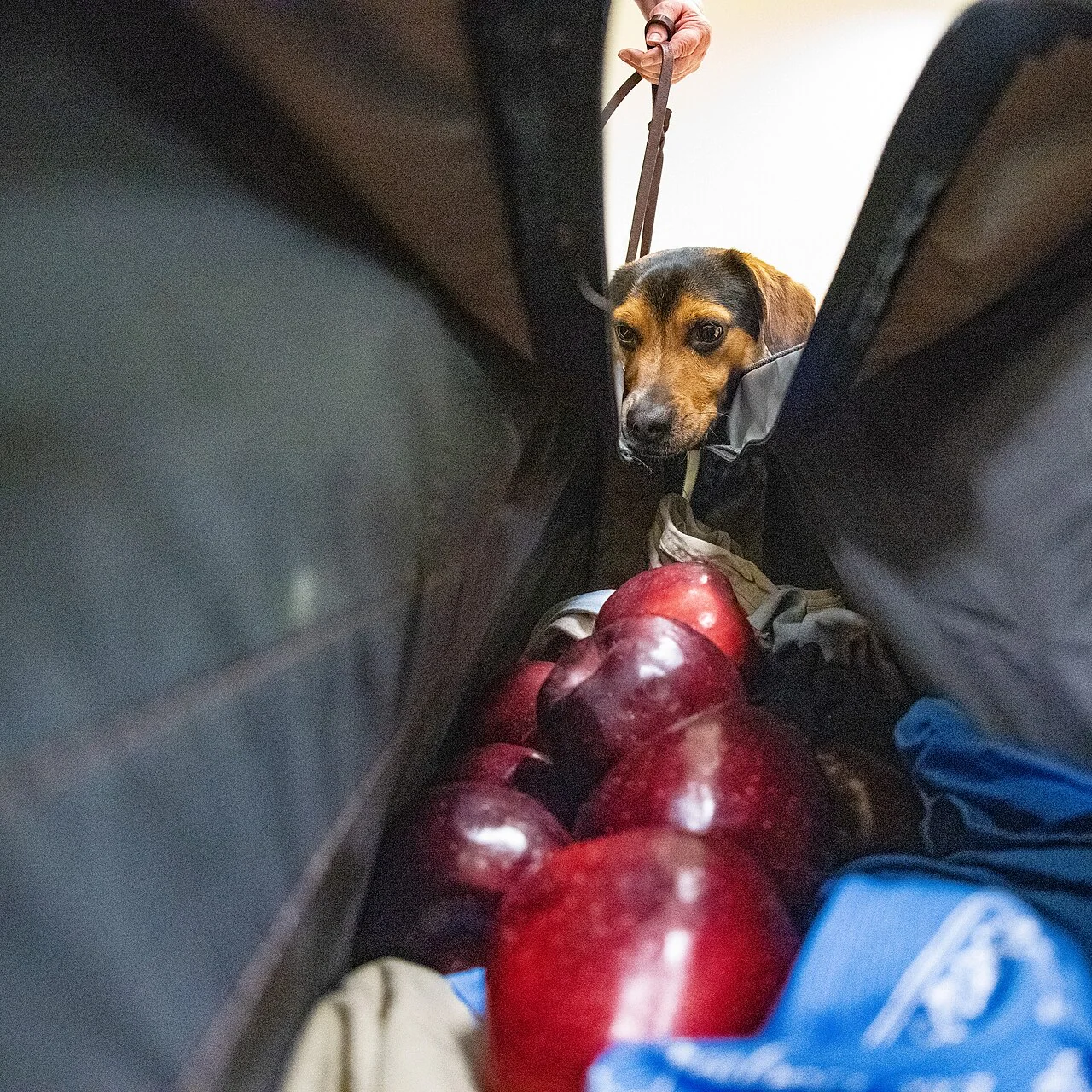
By intercepting fruit, vegetables, plants, and meat, the detector dogs help prevent the entry of pests and diseases that could damage crops, livestock, and natural ecosystems. One documented case involved a roasted pig head found at Atlanta's airport, illustrating how even processed meat can pose risks for diseases like African swine fever. Such interceptions support broader efforts to keep U.S. agriculture stable and reduce the need for costly eradication programs if outbreaks occur.
The work of these teams has implications beyond individual travelers. A single undetected item could potentially introduce a pest that spreads across farms or a disease that affects entire herds. Editorial analysis suggests that the program's value lies not only in the items confiscated but also in the deterrent effect it creates. Travelers who see the dogs may think twice about packing restricted foods on future trips. This raises a useful question: how much public awareness about these rules is generated simply by visible canine patrols? The evidence supports the idea that the beagles serve as both detectors and gentle educators at the border.
For most passengers, the sight of a beagle in a vest is a reminder to declare any agricultural items or leave them behind. The dogs' non-threatening presence can make the inspection process feel less intimidating than a purely human-led search. Yet the evidence also shows that even well-trained teams are not infallible, which is why travelers are still expected to follow customs rules and answer questions honestly. Light humor might note that while the beagle is adorable, it is also a highly focused professional with a nose for contraband fruit.
From an editorial perspective, the program demonstrates a creative use of animal behavior to solve a serious biosecurity challenge. It balances enforcement with public relations in a way that feels distinctly American. That said, uncertainties remain around exact long-term success rates outside of program self-reporting, and the sources do not detail independent audits. Readers might ask themselves: if you were traveling with homemade jam or a cured sausage from abroad, would seeing a beagle change your decision to declare it? The evidence implies that supporting these teams through compliance helps protect American farms, jobs, and landscapes. In an era of increasing global travel, such partnerships between dogs and humans offer a practical, if imperfect, line of defense. Future improvements could include more public data on performance or expanded training for additional threats, though those possibilities lie beyond the current documented scope.
AI-assisted original writing. This feature was revised against source material and checked for unsupported claims. Follow the references below for evidence and its limits.
PhotographBlowing Puffer Fish · CC BY 2.0
A dog-focused look at the training and daily work of hearing dogs, drawn from one UK charity’s own descriptions.
 Photograph
A look at coordinated Swiss rescue operations that include avalanche dogs, drawn from limited public descriptions of specialist teamwork.
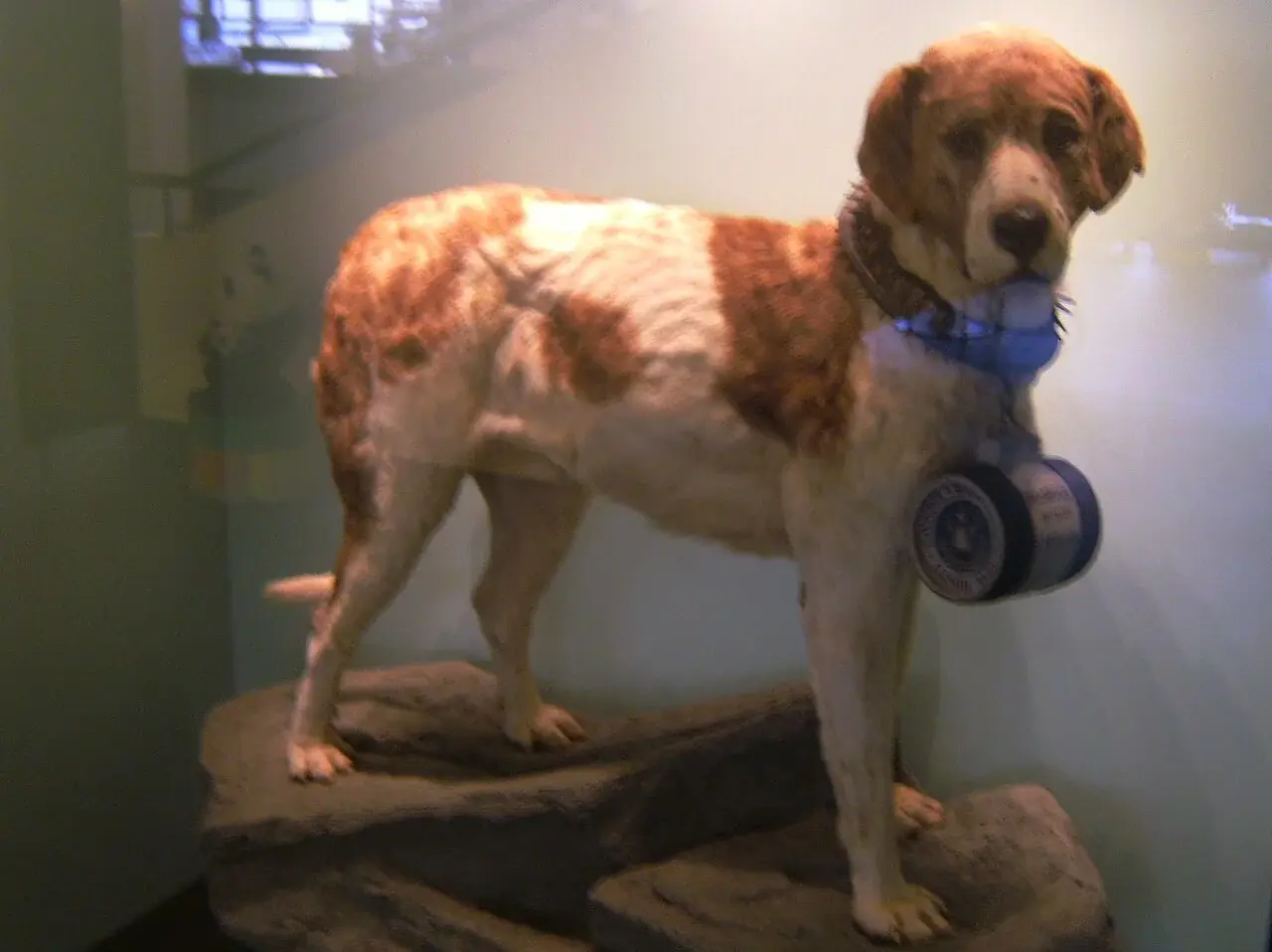
A real Alpine dog whose reputation grew from hospice service, even though detailed rescue records were never kept.