


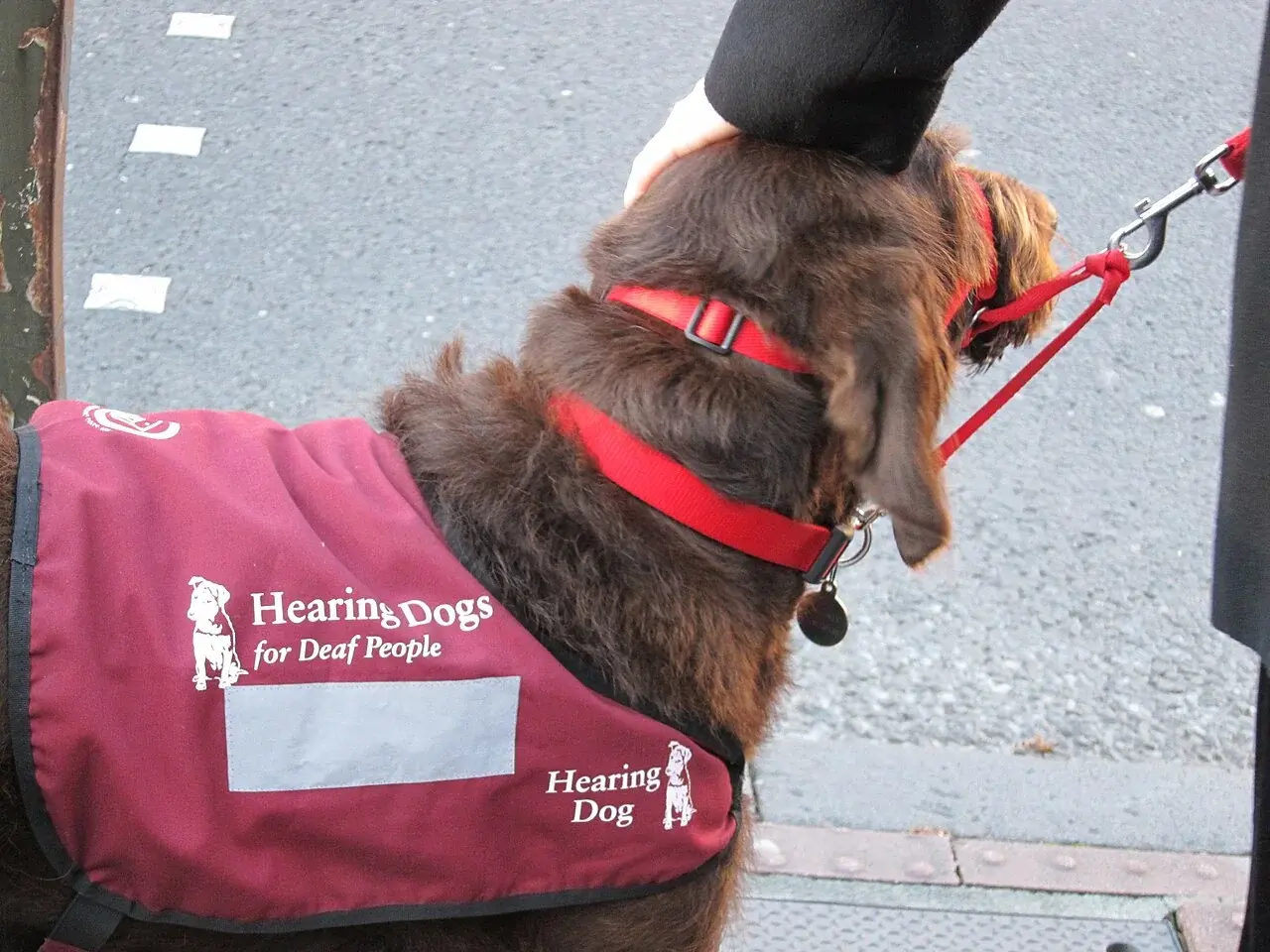
 Photograph
Blowing Puffer Fish · CC BY 2.0
Hero Dogs
Alert Ears and Wagging Tails: How Hearing Dogs Help Their Partners
A dog-focused look at the training and daily work of hearing dogs, drawn from one UK charity’s own descriptions.
All the News That's Fit to Bark!
Data from Sputnik 2 showed how a canine passenger responded to launch forces, weightlessness, and rising cabin heat during the first orbital animal flight.
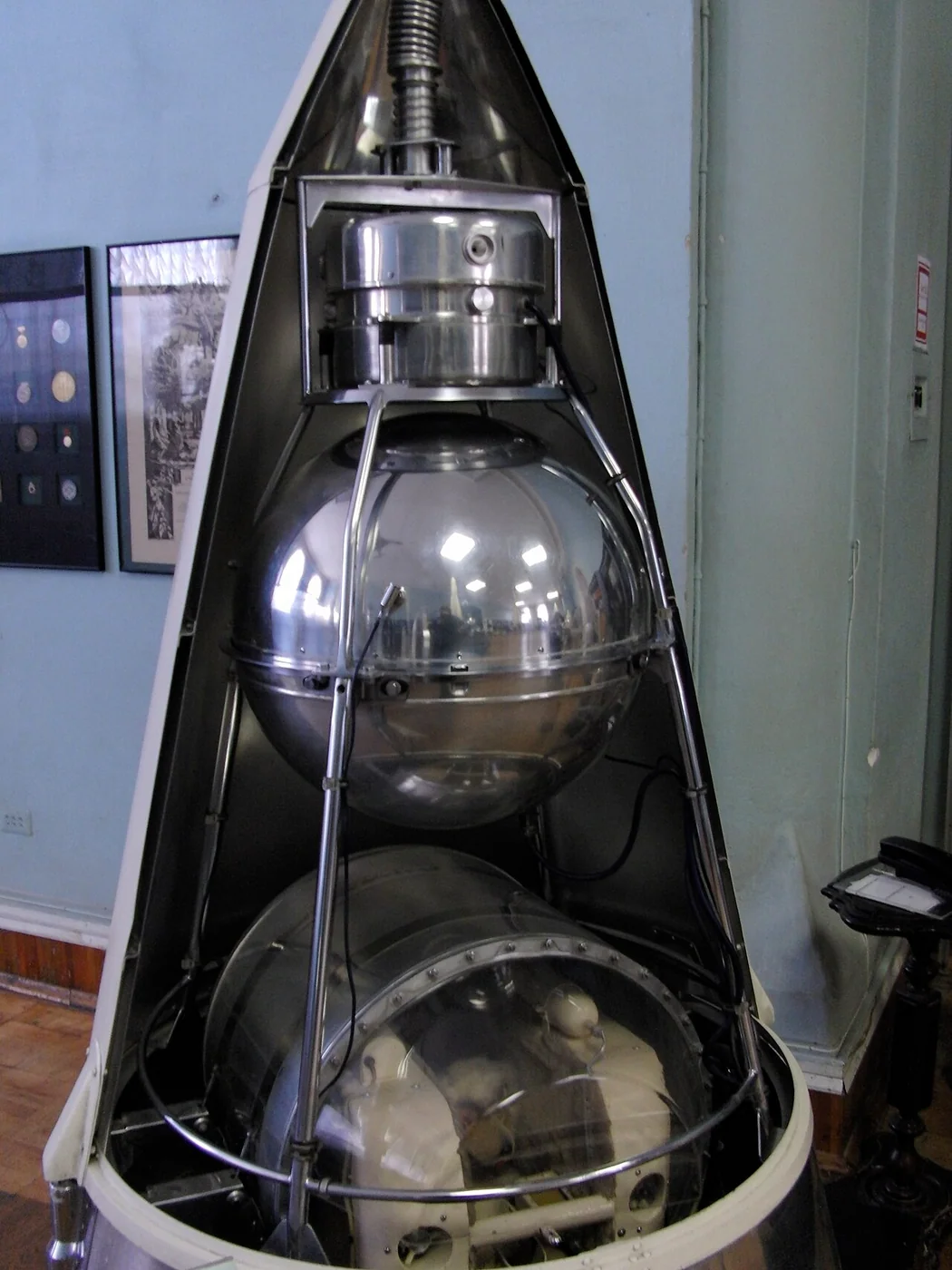
Sputnik 2 display at the Moscow Polytechnical Museum, 2010. Documentary photograph of a historical artifact replica. Mikhail (Vokabre) Shcherbakov from Moscow, Russia · CC BY-SA 2.0 · Web size optimized; source linked for the original.
In 1957, a small dog flew aboard Sputnik 2 and became the first living being to orbit Earth. Soviet scientists equipped the satellite with sensors that tracked her heart rate, breathing, blood pressure, and movement inside a pressurized cabin. The mission was designed as a one-way test to learn whether a mammal could survive the stresses of launch and the unfamiliar environment of free-fall. Telemetry streamed back for a limited time, giving biologists an early look at how a dog’s body handled these conditions. The data later informed redesigns for subsequent flights, even though the cabin overheated.
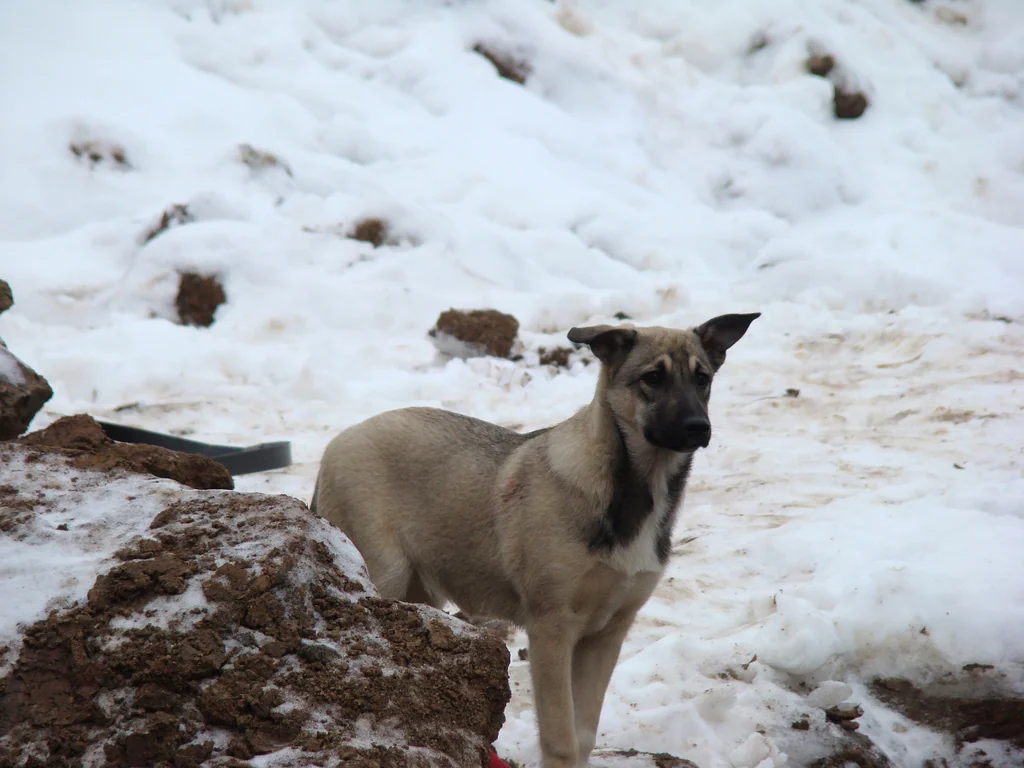
Soviet researchers worked with stray dogs from Moscow streets. These animals were thought to have hardy constitutions and calm temperaments after living through difficult conditions. One small mixed-breed terrier stood out for her even disposition and size that fit the capsule. Other dogs took part in ground simulations that produced baseline readings of heart rate, breathing, and other vital signs. Training included time in increasingly small mock-ups, exposure to loud rocket noise, and rides on centrifuges meant to copy launch forces. Veterinarians used these sessions to establish what normal responses looked like under stress.
The selected dogs wore custom harnesses that limited movement while still allowing some shifts in position. Electrodes placed on shaved skin sent data through early radio transmitters. A final health check confirmed the chosen dog showed no obvious signs of infection or injury before flight. These steps reflected the practical limits of the available technology rather than any search for a single exceptional animal. The preparations helped ensure that any changes seen during orbit could be compared against known patterns from Earth-based tests.
The passenger module held roughly one atmosphere of pressure and an oxygen-rich air mixture. A chemical scrubber removed carbon dioxide, and a fan moved air to avoid stale pockets. Temperature sensors were intended to keep the cabin between 15 and 20 degrees Celsius. Telemetry later showed that cabin temperature and humidity rose gradually once sunlight warmed the outer hull. The dog’s body temperature began to climb after several orbits, a finding that highlighted limits in the thermal control system.
Food came in gelatin form from a timed dispenser, and water was available through a drinking valve linked to a reservoir. These supplies had been tested on ground dogs to estimate consumption. The entire life-support package was compact by today’s standards and demonstrated that basic needs could be met in orbit for a short period. Although the mission ended sooner than planned because of heat buildup, the telemetry offered concrete evidence of how the systems performed while they lasted.
During launch, acceleration reached forces up to five times Earth gravity for nearly two minutes. Sensors captured the dog’s heart rate rising sharply from its pre-launch level, then beginning to settle once the rocket motors stopped. Breathing rate followed a similar quick increase before stabilizing. These patterns matched some of the earlier centrifuge data collected on the ground. Ground stations across the Soviet Union received the signals in real time and compared them immediately with simulation results.
In orbit, the shift to weightlessness produced a drop in heart rate as blood redistributed without gravity’s usual pull. Movement sensors indicated occasional position changes but no frantic activity. Electrocardiogram traces stayed steady, suggesting the animal adapted more quickly than some ground tests had indicated. The telemetry system transmitted usable data for the first few orbits before failing after roughly five to seven hours, limiting the window for detailed physiological observation.
The main goal was to show that a living organism could endure launch, microgravity, and radiation exposure long enough to return useful information. Cosmic-ray detectors flew alongside the biological sensors, allowing scientists to look for any correlation between radiation levels and the dog’s vital signs at different points in the elliptical orbit. Continuous telemetry from a living subject also validated the radio equipment and antenna design that would be needed for later satellites.
Although overheating ended the flight earlier than intended, the transmitted data supported the view that prolonged weightlessness did not cause essential changes in basic physiological functions during the observed period. The information influenced Soviet space medicine and encouraged work on larger capsules. It contributed to later missions that flew other dogs, some of which returned safely. The patterns of adaptation seen in the early orbits remain a foundational reference in the study of how mammals handle the transition from normal gravity to zero g.
Long before rockets, dogs had worked alongside humans in herding, hunting, military service, and rescue. Selective breeding and training turned natural canine traits into dependable skills for demanding tasks. The Soviet program applied similar conditioning to prepare strays for orbital duty. After this first flight, additional dogs flew on later missions, building on the initial telemetry and eventually proving that safe return from orbit was possible.
Today, working dogs still serve in airports, disaster zones, and therapy roles. Modern veterinary tools that monitor heart rate and stress responses carry faint echoes of those early sensors. While the 1957 mission ended without recovery, the physiological facts it delivered helped shape both space programs and our wider understanding of dogs as capable partners in challenging environments. The exact details of the final hours carry some uncertainty, as original tapes were released only decades later and some records were summarized rather than published in raw form.
AI-assisted original writing. This feature was revised against source material and checked for unsupported claims. Follow the references below for evidence and its limits.
PhotographBlowing Puffer Fish · CC BY 2.0
A dog-focused look at the training and daily work of hearing dogs, drawn from one UK charity’s own descriptions.
 Photograph
A look at coordinated Swiss rescue operations that include avalanche dogs, drawn from limited public descriptions of specialist teamwork.
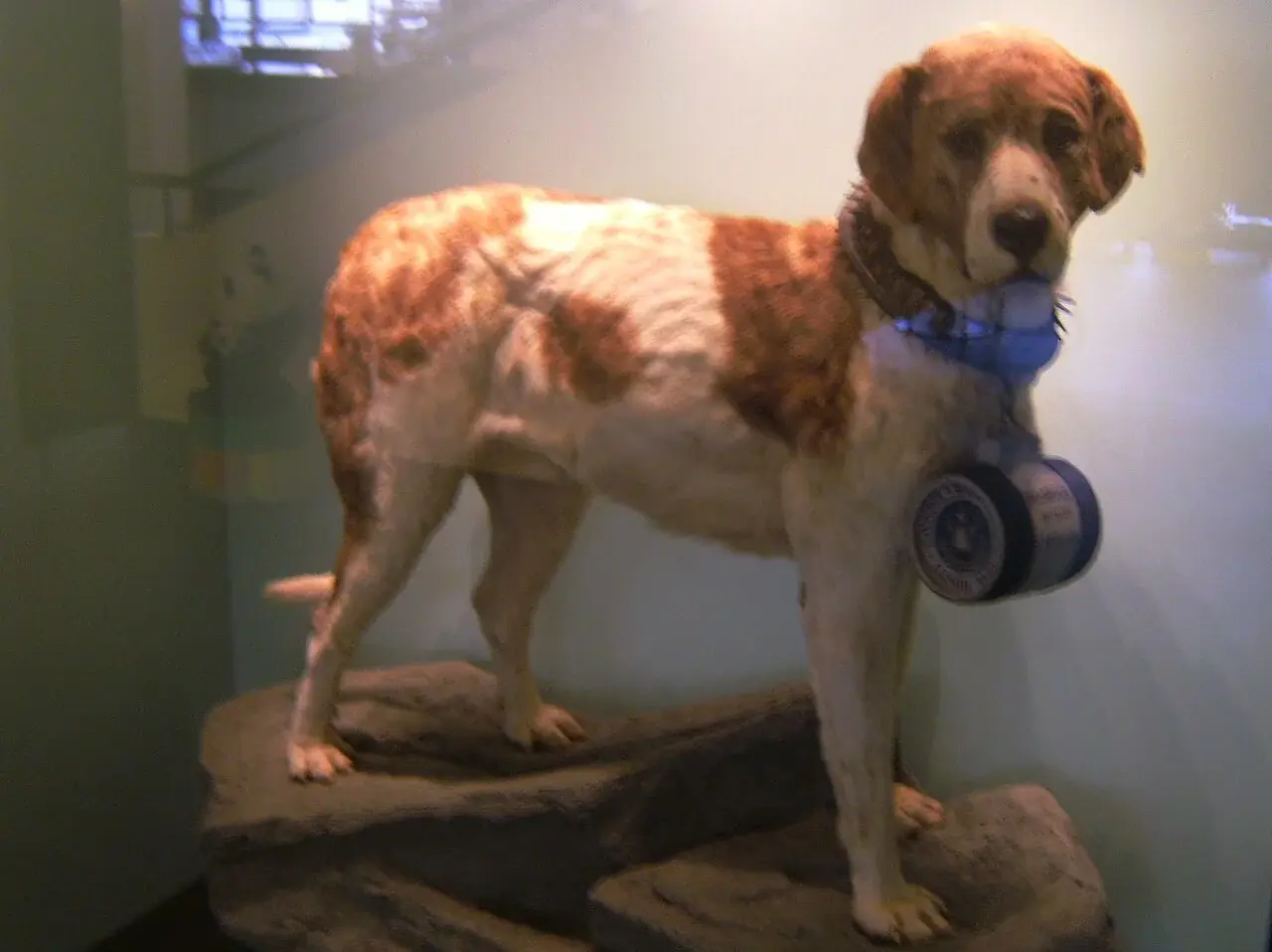
A real Alpine dog whose reputation grew from hospice service, even though detailed rescue records were never kept.