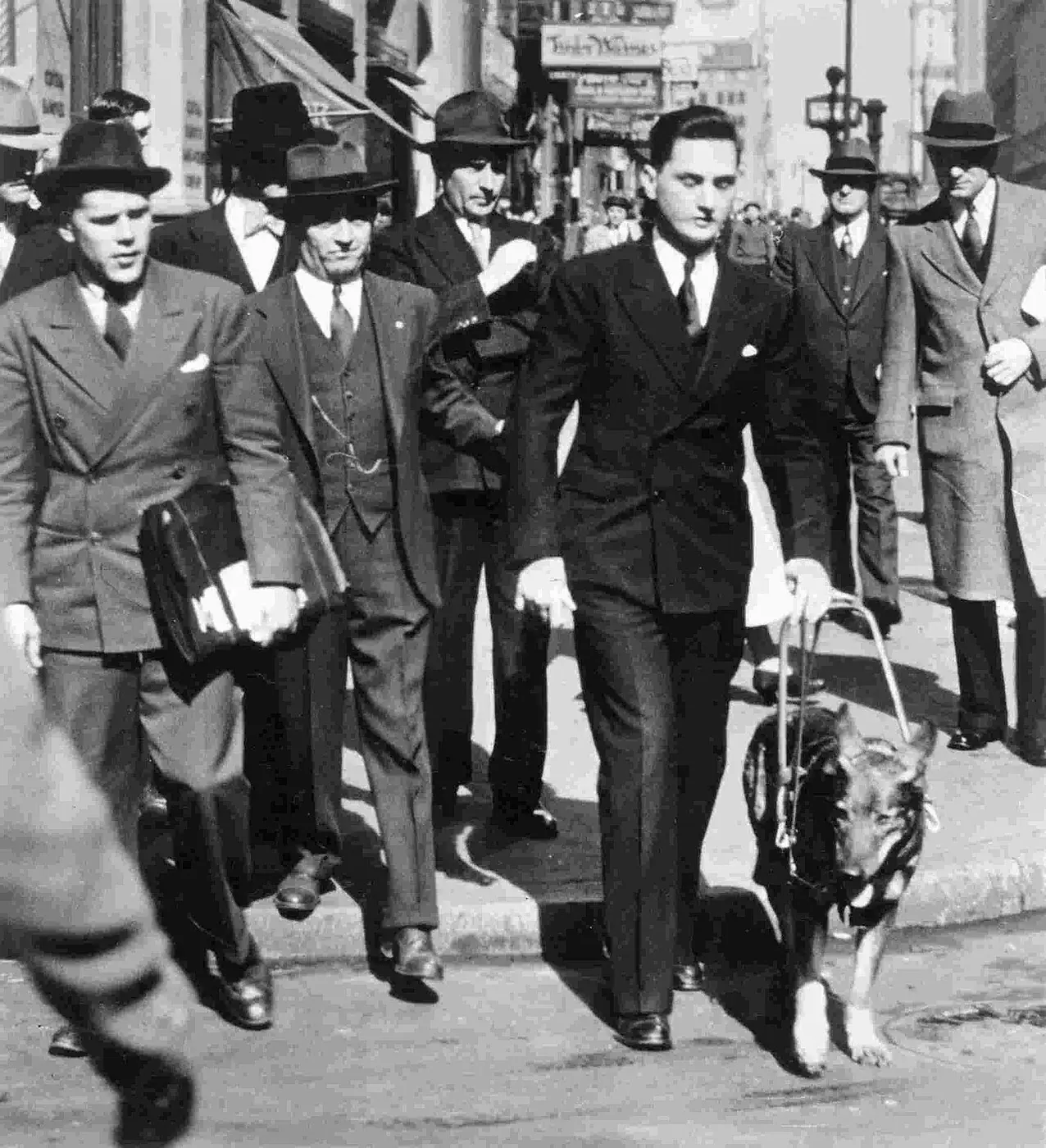
In 1928, a German shepherd originally named Kiss became Buddy and helped launch guide dog work in America after training at a Swiss center with her blind partner Morris Frank.
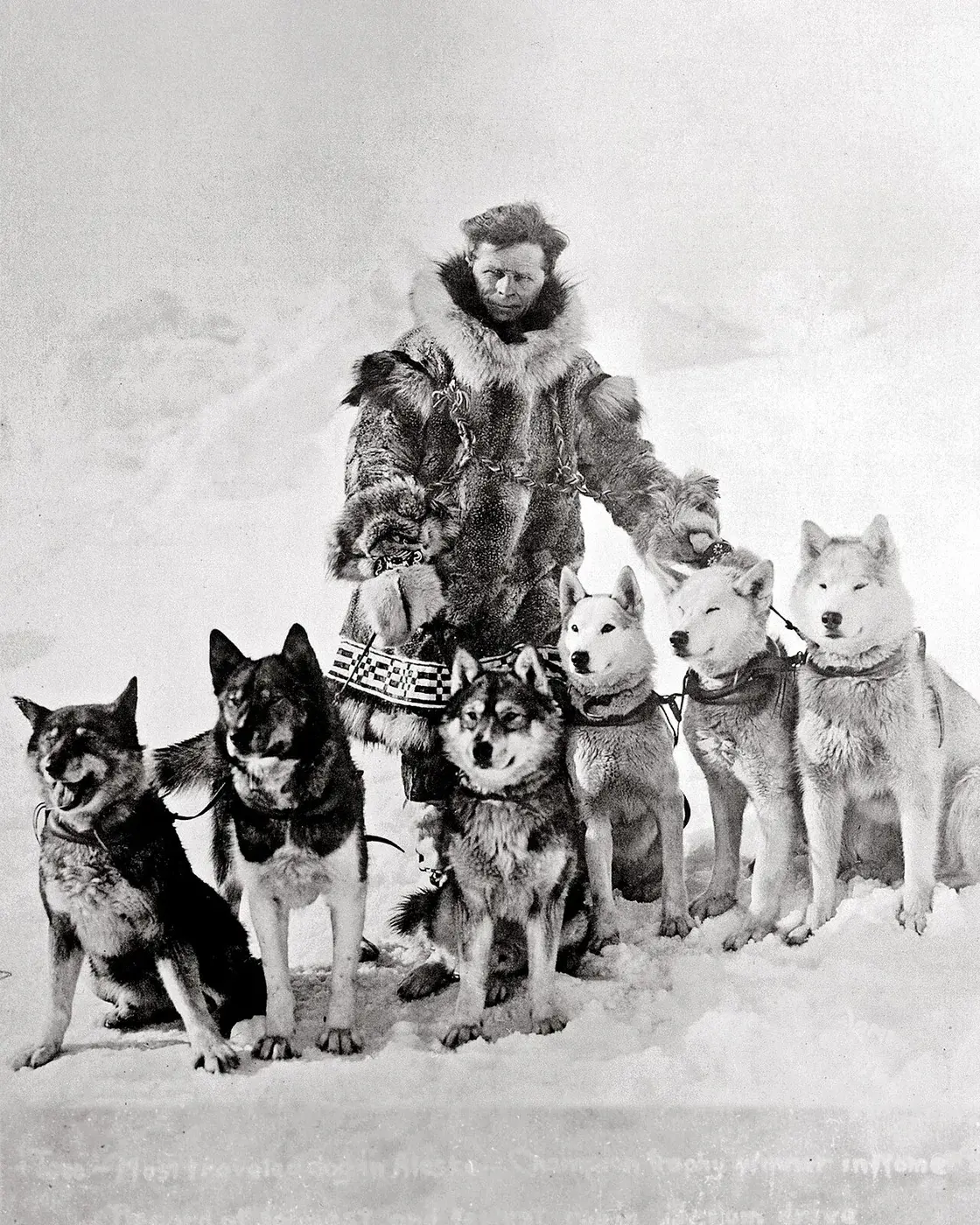
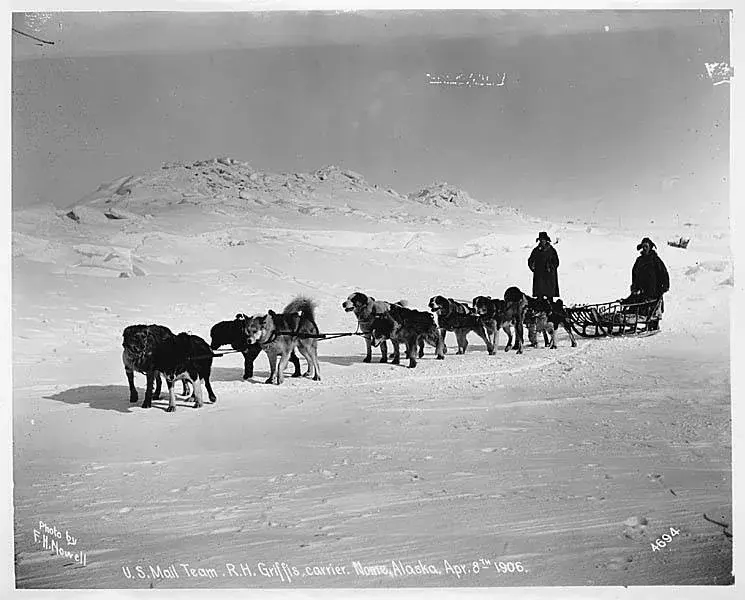
A veteran Siberian husky and his musher completed an 84-mile nonstop push over fractured sea ice during the relay that delivered diphtheria antitoxin to Nome, Alaska.
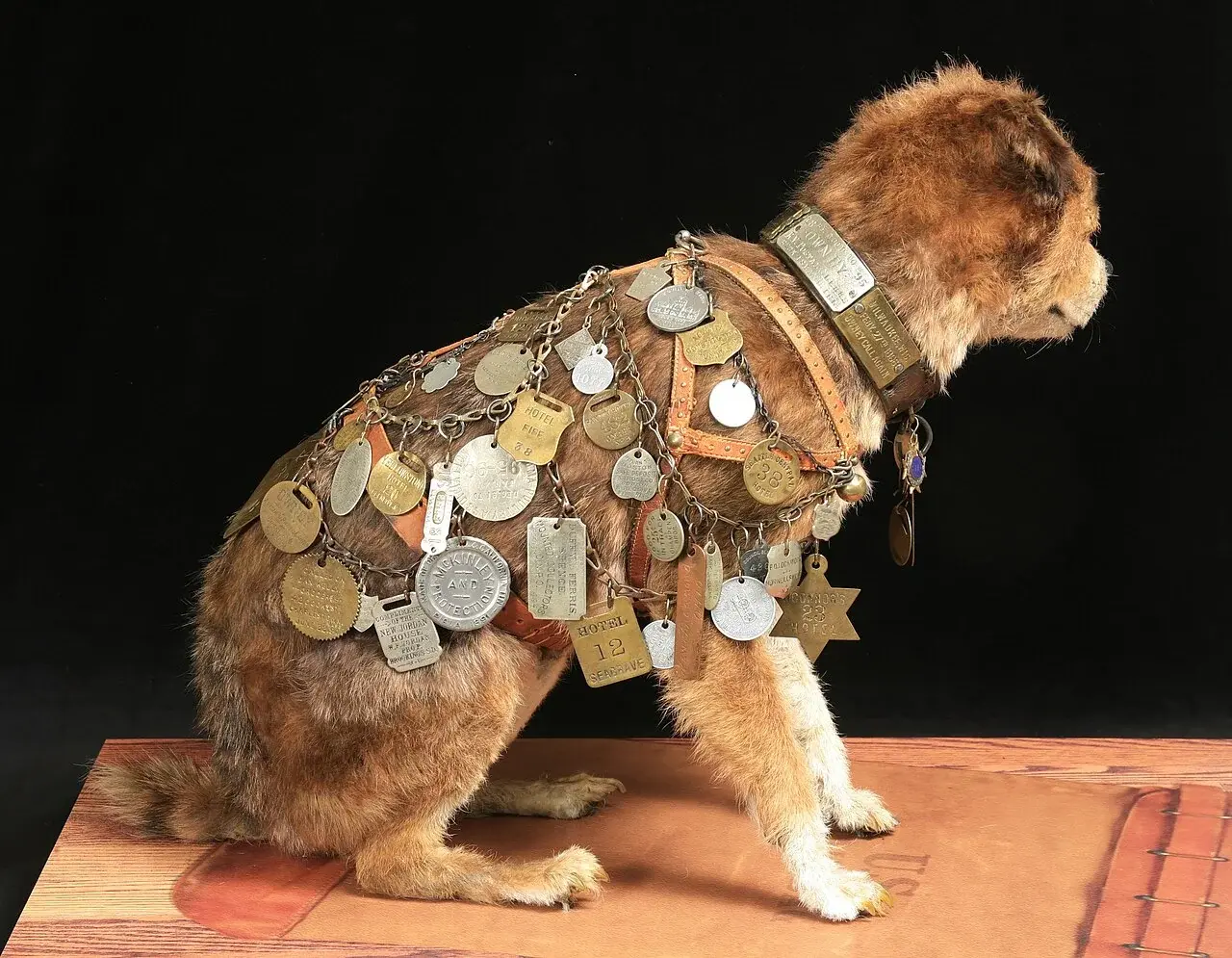
Preserved by the Smithsonian’s National Postal Museum, Owney’s story offers a glimpse into the working lives of late-19th-century postal clerks and the bonds they formed with an adopted stray.
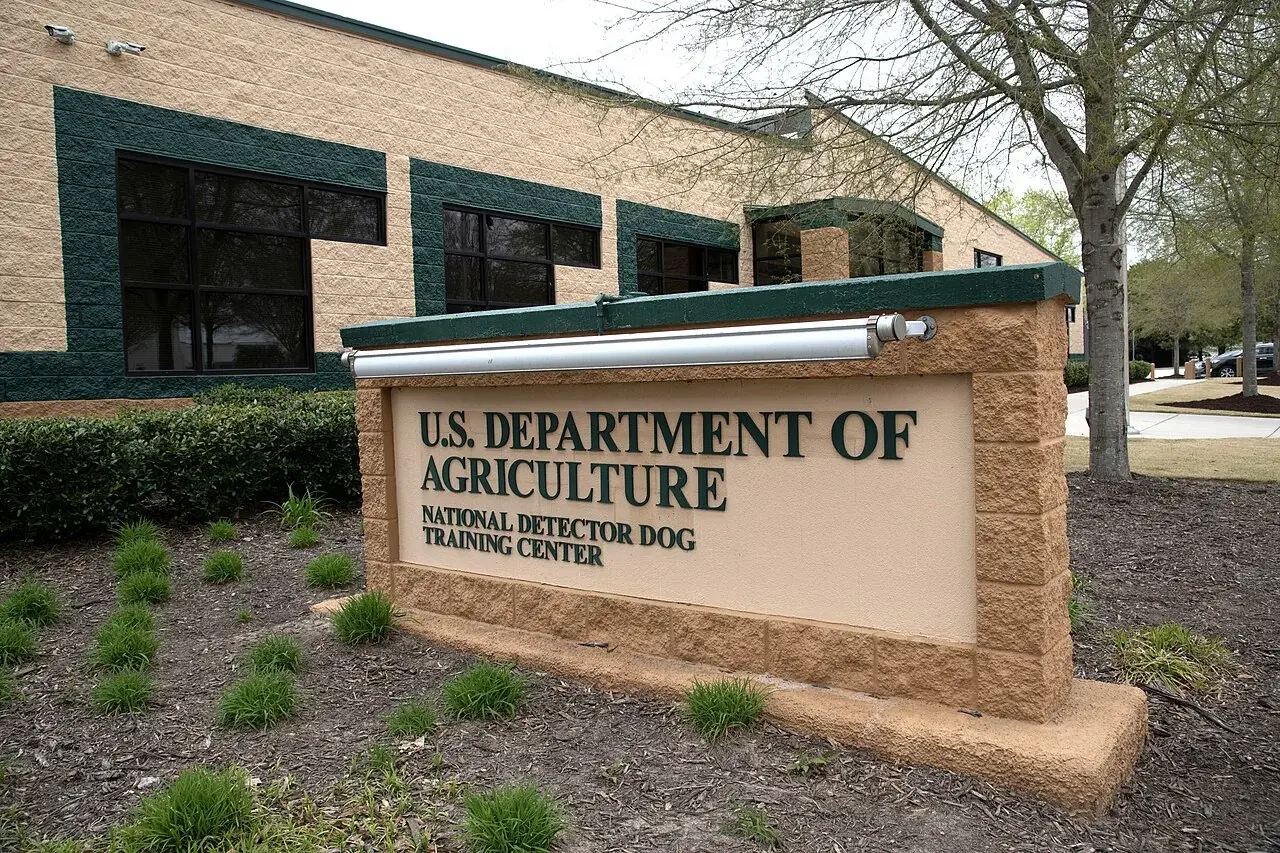
Specially trained beagles and their handlers inspect international luggage for prohibited fruit, vegetables, and meat, reducing risks to American agriculture from pests and diseases.
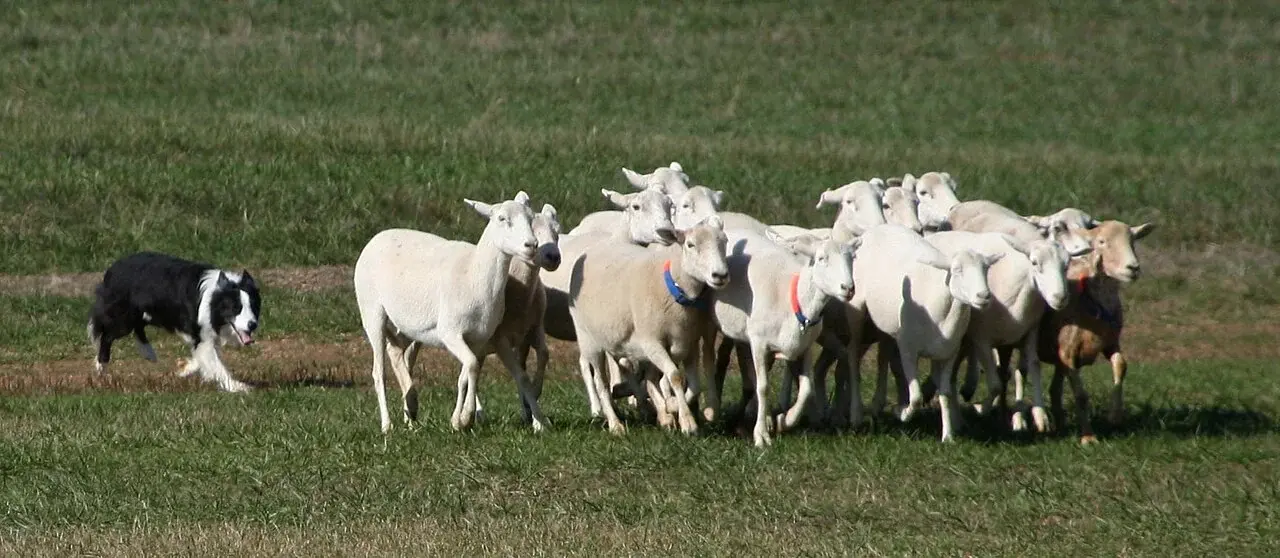
The formation of the United States Border Collie Club in 1975 and the first handler clinic in 1976 helped bring structured herding events to a country that previously had almost none.
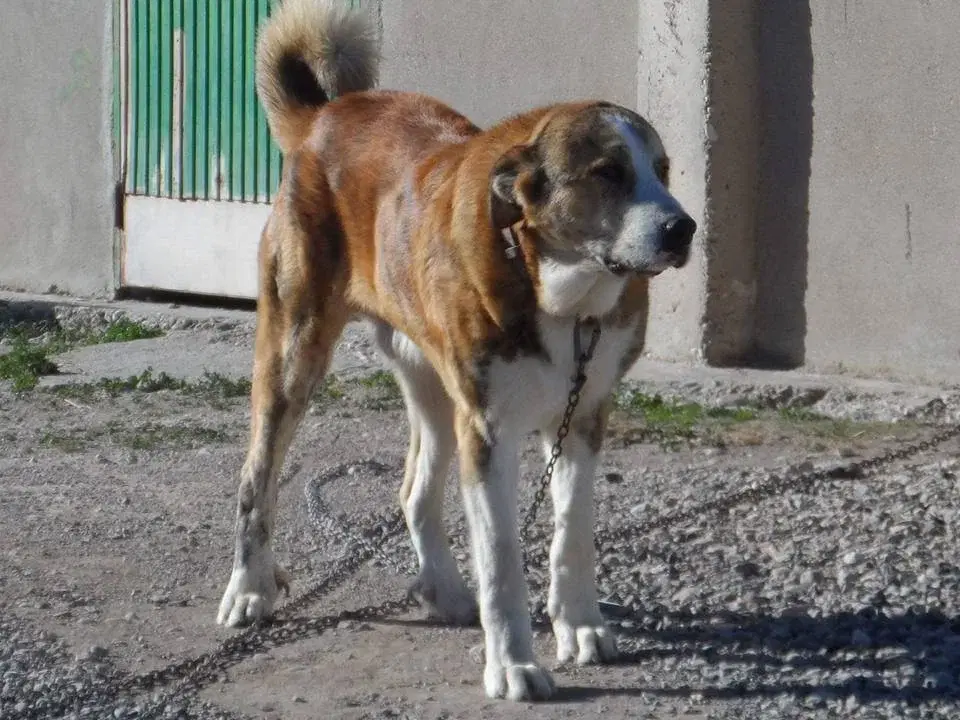
Conquistadors brought large mastiffs to the Americas in the early 1500s. Contemporary accounts describe the animals creating fear among Indigenous fighters.
Centuries-old sledding methods once used to carry mail and supplies across Alaska continue to influence working traditions and cultural pride among northern dog teams today.
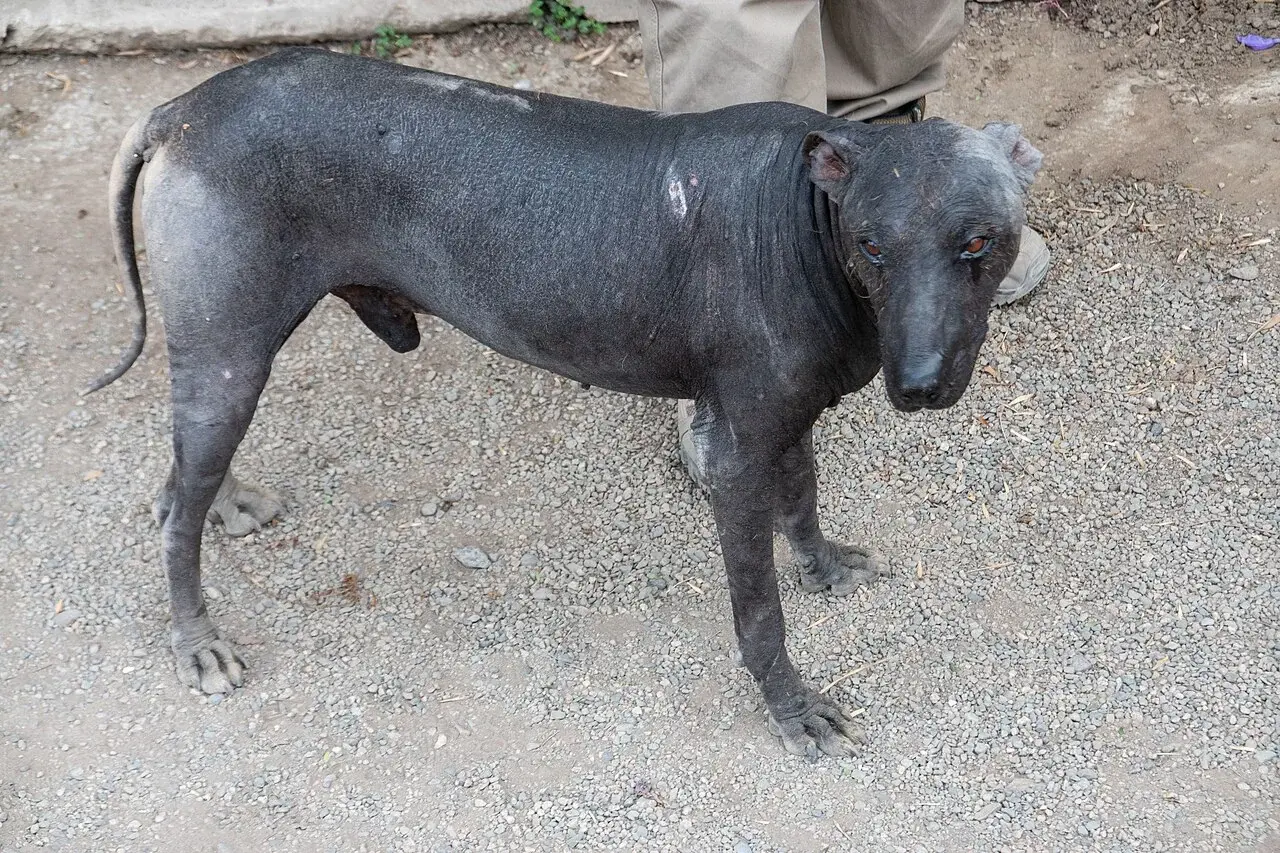
Recognized by international kennel organizations, this unique hairless breed has ties to South American history, though its precise role in pre-colonial textile traditions remains uncertain.
 Historical collection image