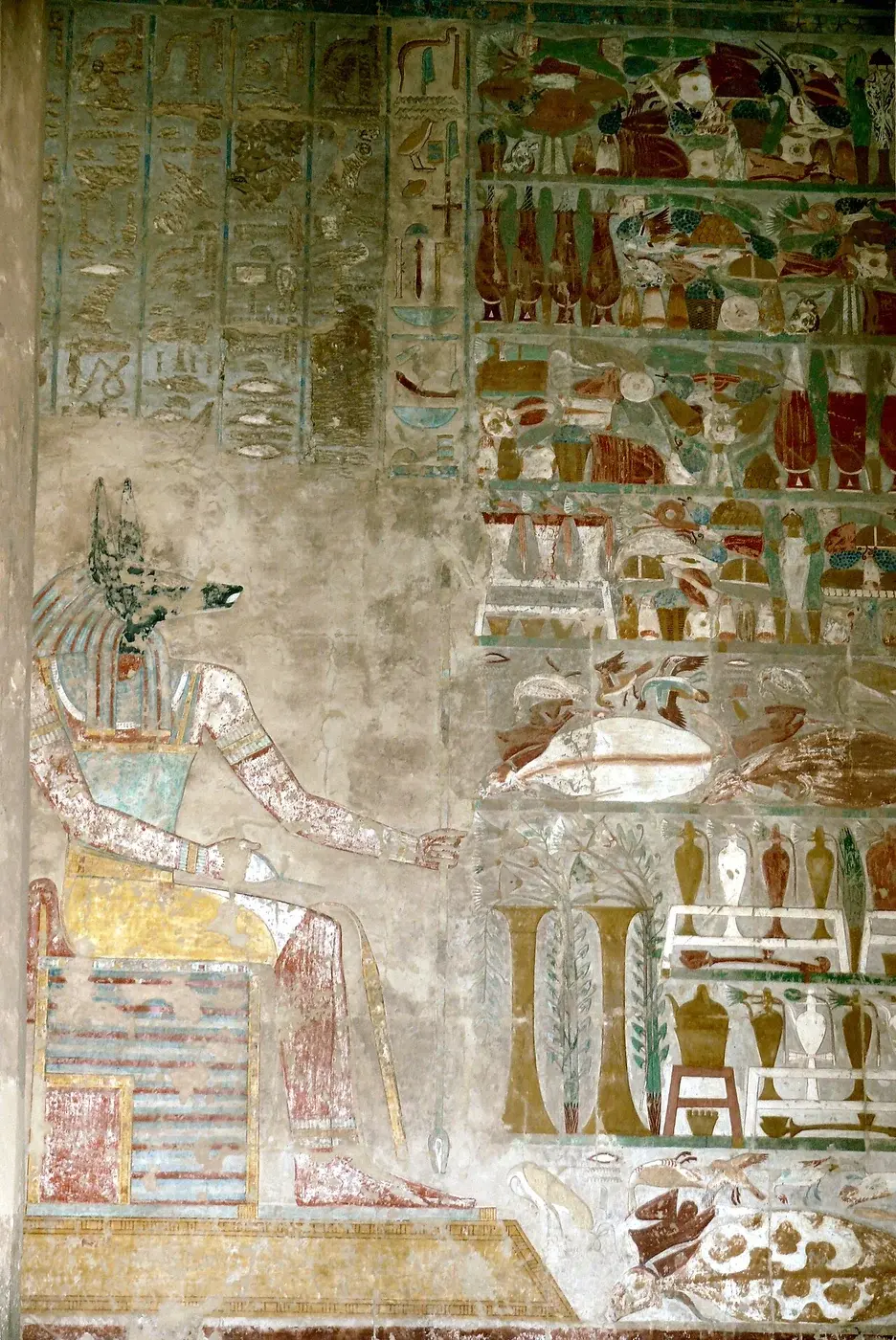
Evidence from Saqqara and Asyut shows that dogs and other canids were mummified in large numbers as votive offerings connected to the gods Anubis and Wepwawet.
From sentries to messengers, dogs played practical roles in classical and Hellenistic warfare, though their use as battlefield combatants remains debated by scholars.
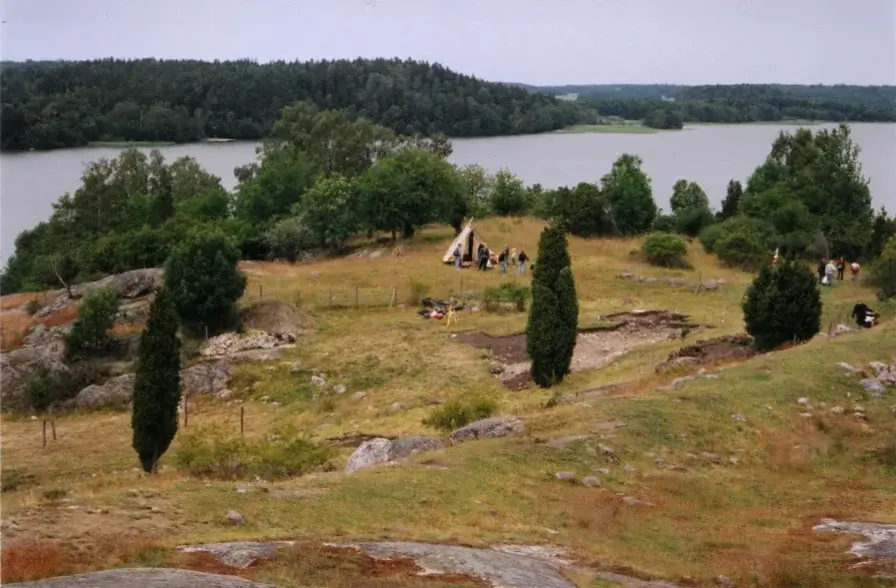
Archaeological finds from the Viking trading center at Birka include dog remains placed alongside people, offering limited but tangible clues about how some Norse communities treated animals in death.
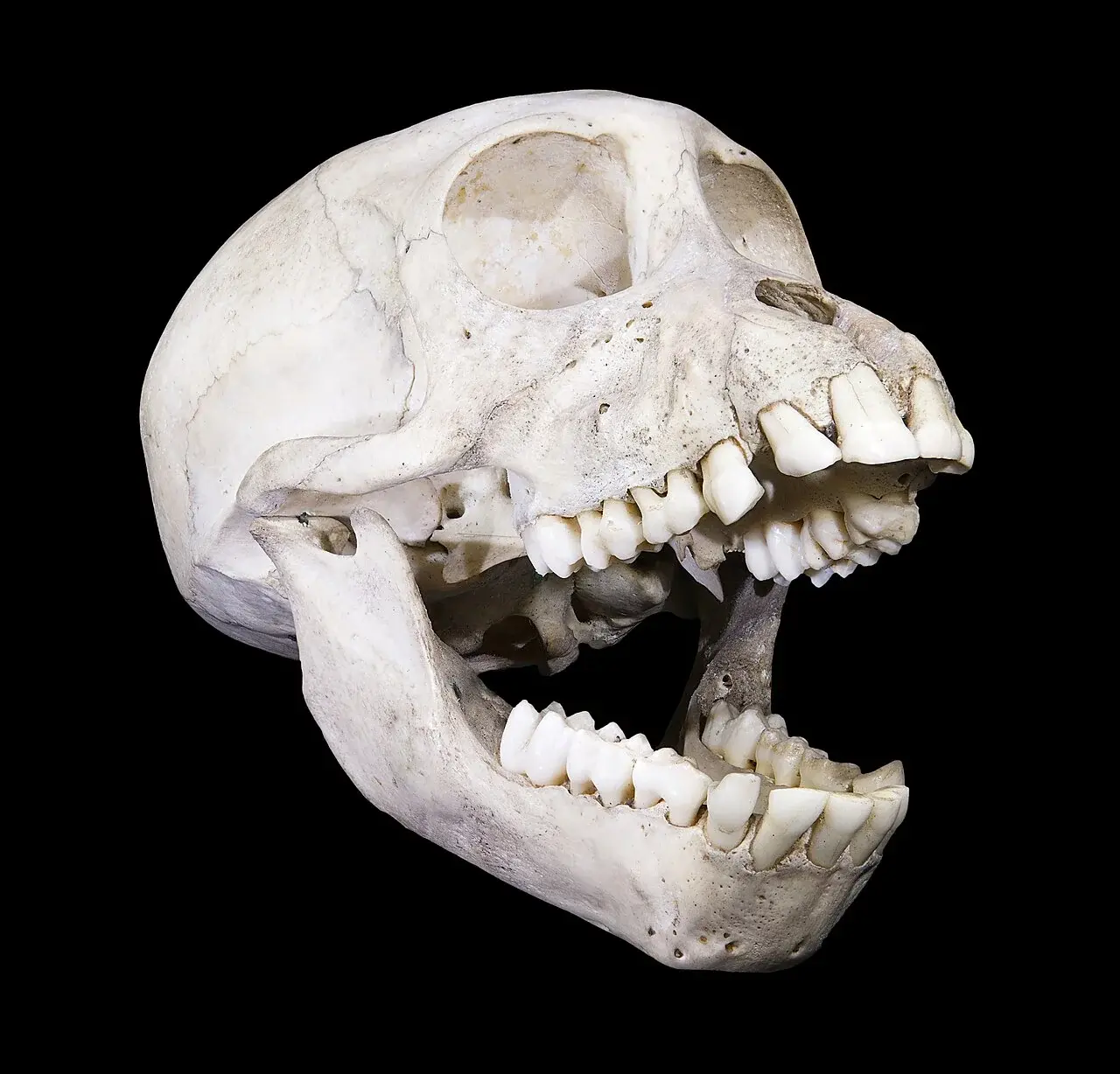
Conrad Gesner and Ulisse Aldrovandi compiled ancient traveler tales of cynocephali alongside descriptions of real primates, expressing varying degrees of skepticism about the more fantastical claims.
In this purely fictional satire, we follow a cast of whimsical canine scholars as they treat your lawn like an ancient dig site, turning chaos into accidental compost while wearing imaginary pith helmets.
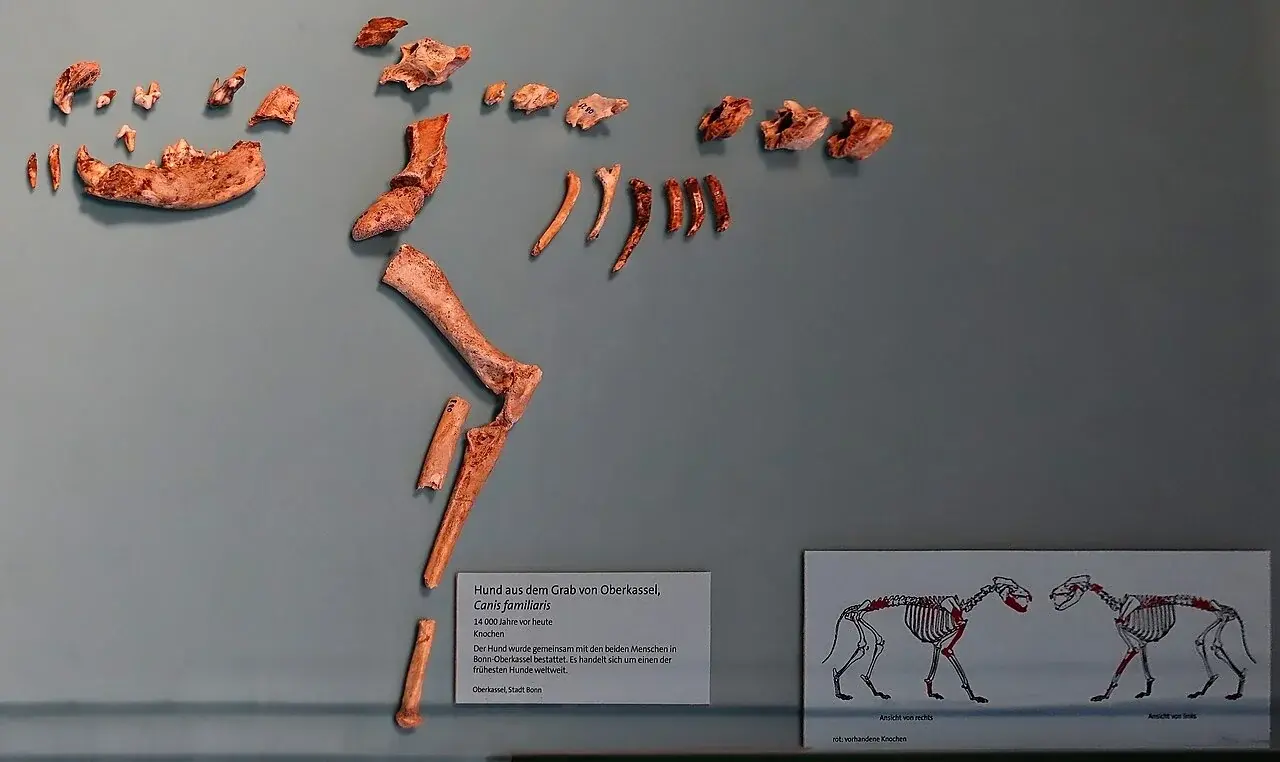
Archaeological finds from select European sites offer glimpses into possible relationships between people and dogs, while underscoring the challenges of interpreting ancient deposits.
The romantic image of dogs that panic without their owners may feel like ultimate loyalty, but it often masks distress that harms both pets and people.
Genetic studies of prehistoric remains show that dogs diversified into multiple lineages early in their history with humans, while sharing a common root distinct from modern wolves.
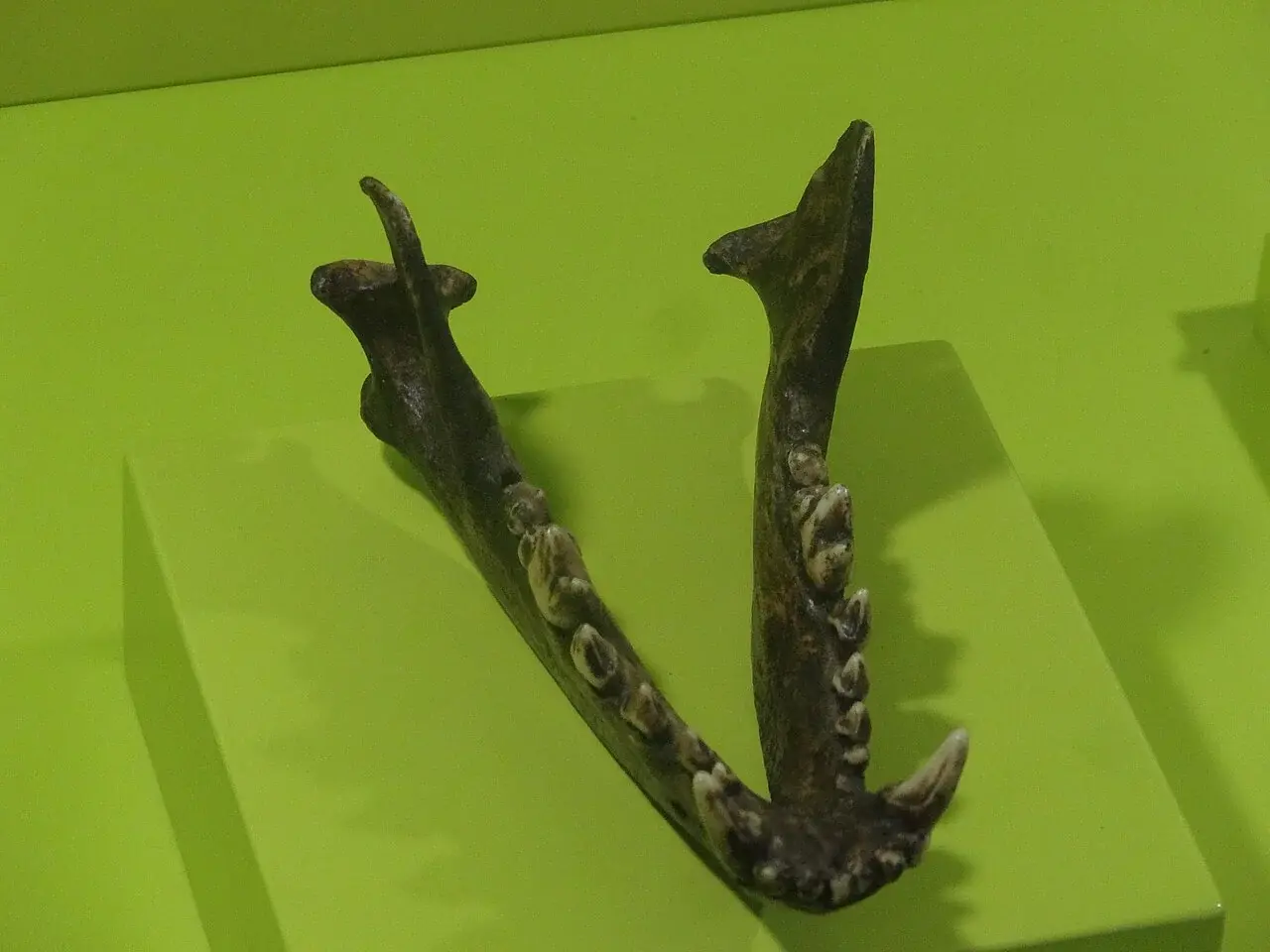
Isotope data and jaw shapes from Mesolithic through Chalcolithic canine remains show how dogs’ feeding patterns shifted alongside changes in human hunting and herding economies.
New DNA from roughly 15,000-year-old bones shows a widespread population of early dogs already living alongside humans across Europe and Anatolia during the Late Upper Paleolithic.
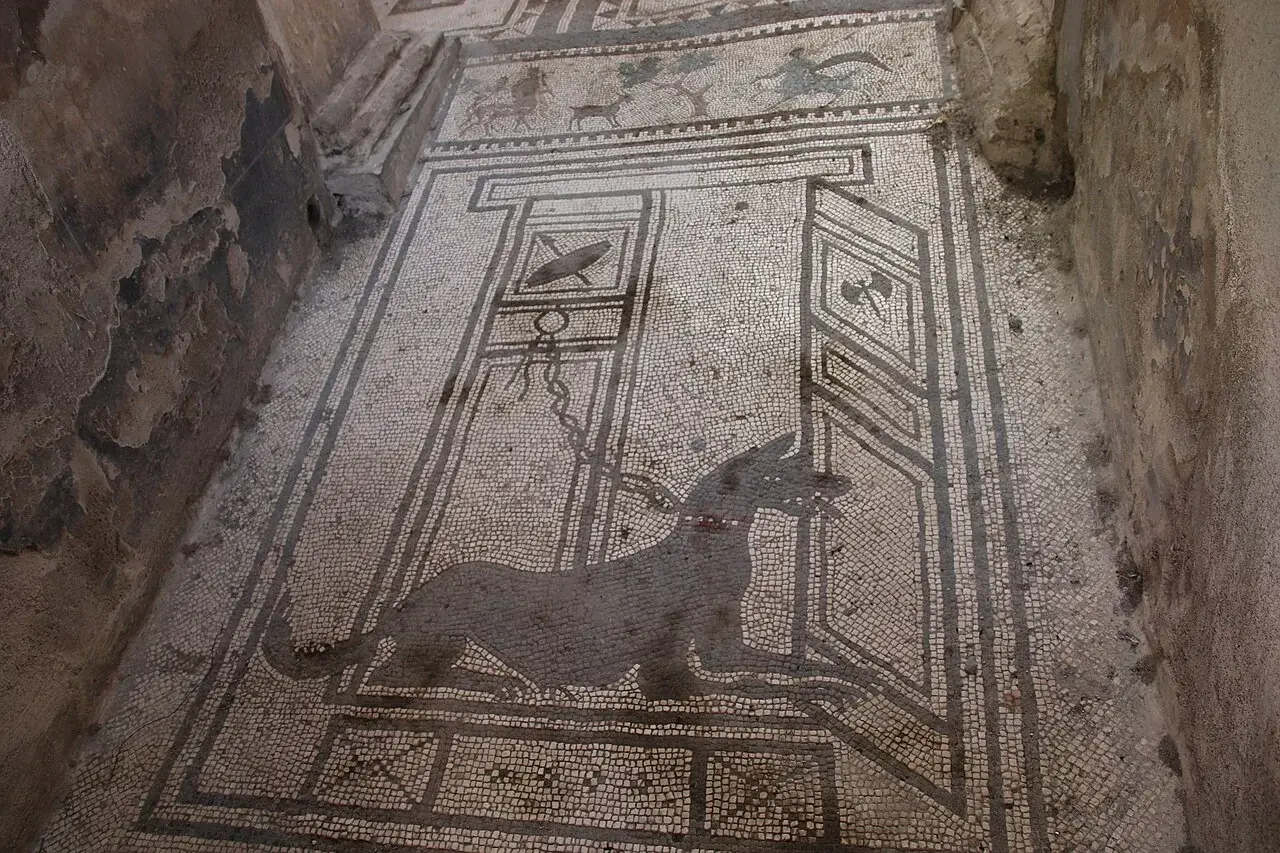
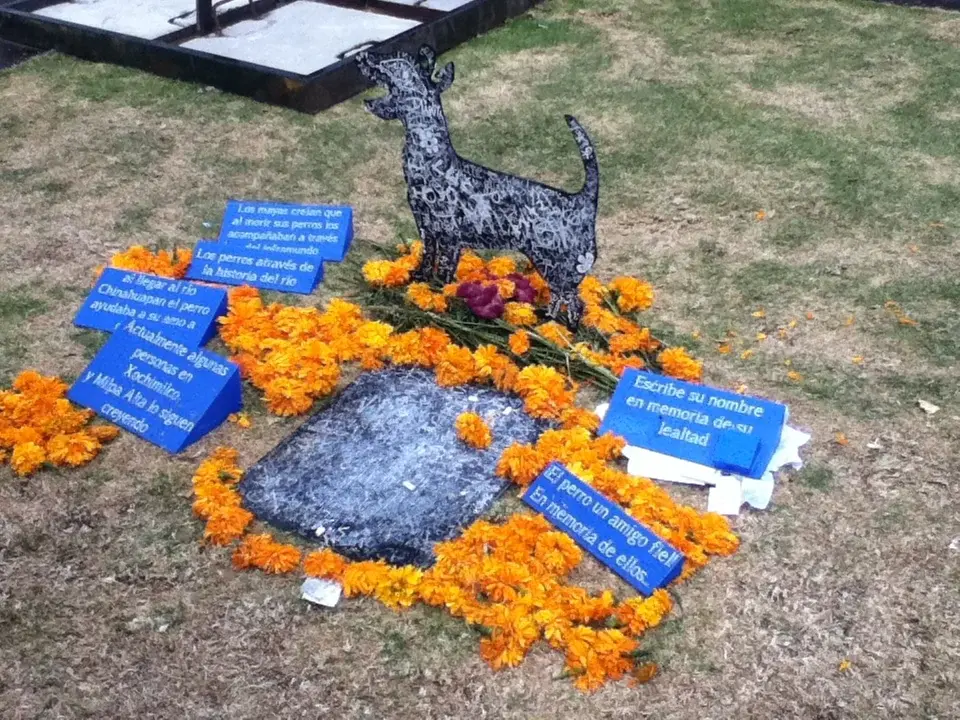
From prehispanic burials to contemporary altars, canines appear in some Mexican remembrances of the dead, reflecting long-held beliefs about guidance to the afterlife.
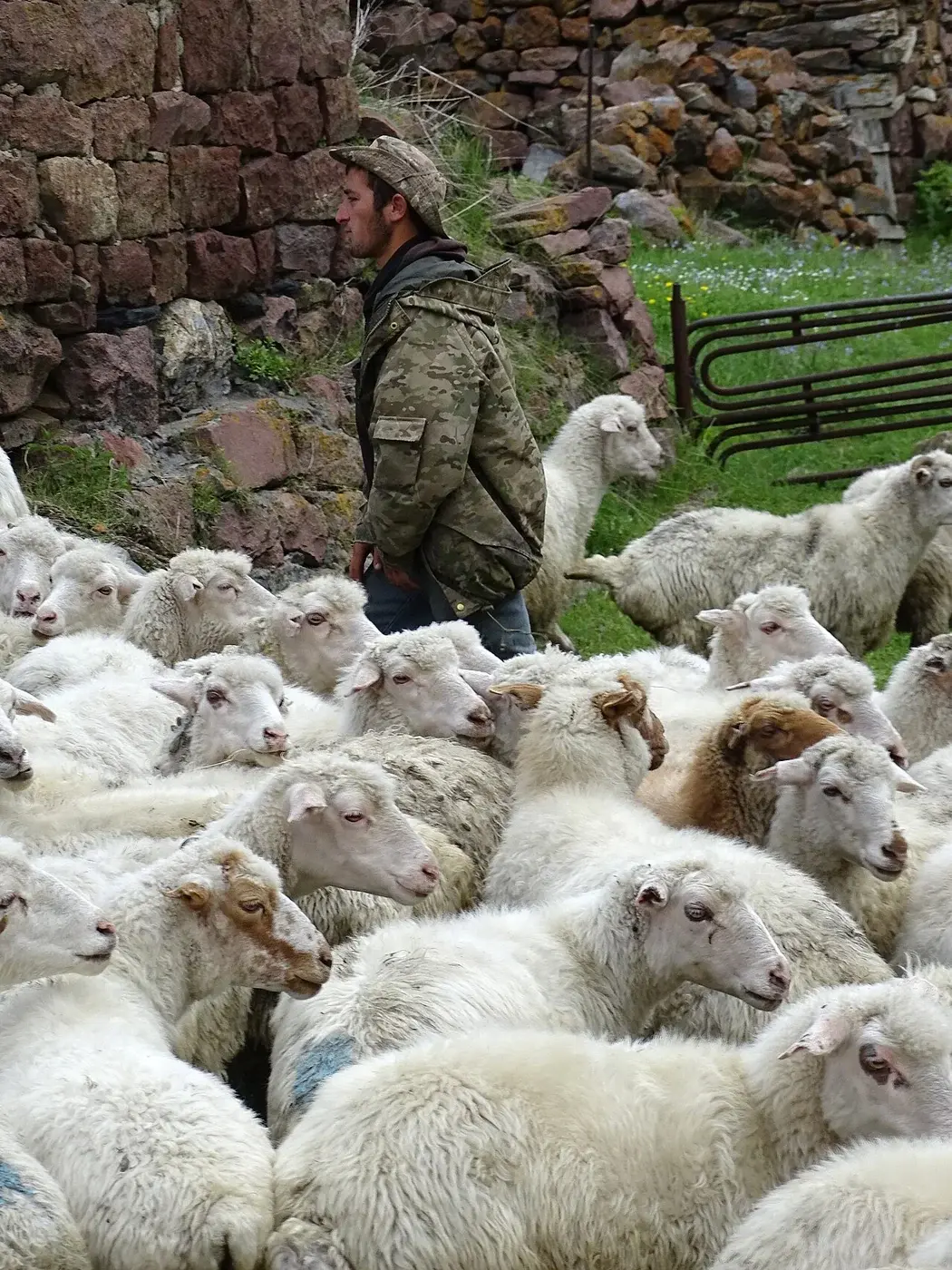
Georgian shepherds and their dogs follow ancient seasonal movements between high mountain meadows and lowland valleys, with the dogs helping protect flocks from threats during the cycle.
Wild and semi-wild dogs connected to ancient Middle Eastern herding traditions continue to appear in the Negev, where conservationists work to maintain their natural traits amid modern pressures.
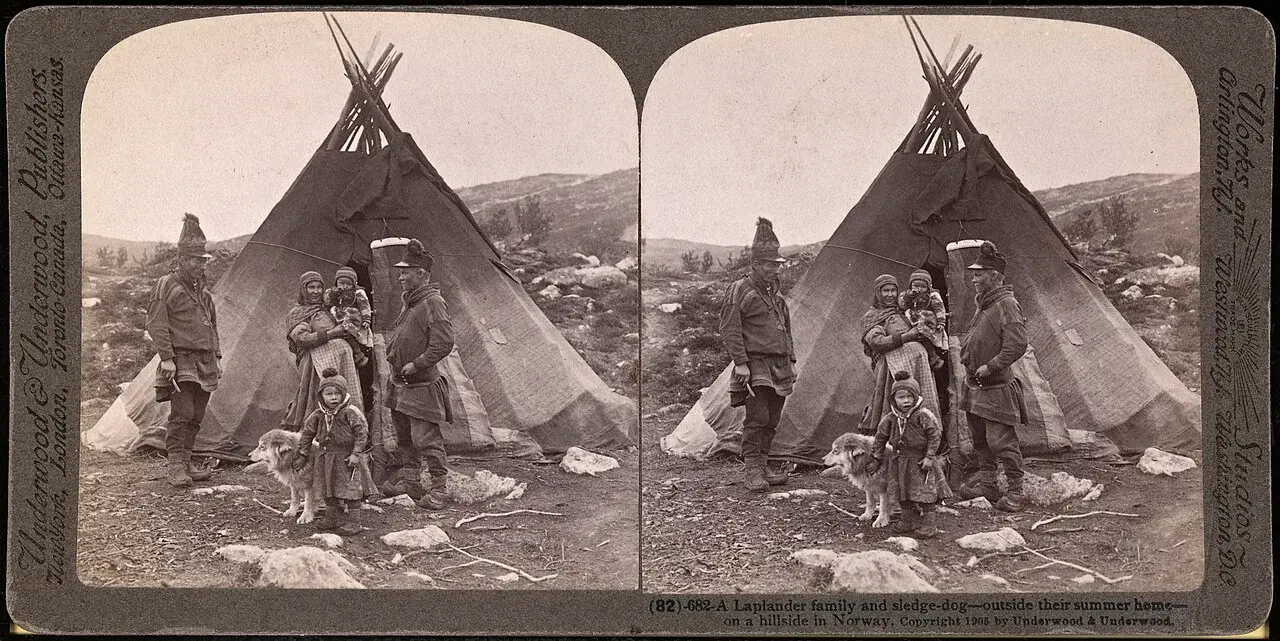
Archaeological and historical evidence shows how small-scale herding practices among the Sámi evolved into larger mobile pastoralism, with dogs later recognized for their contributions to reindeer work.
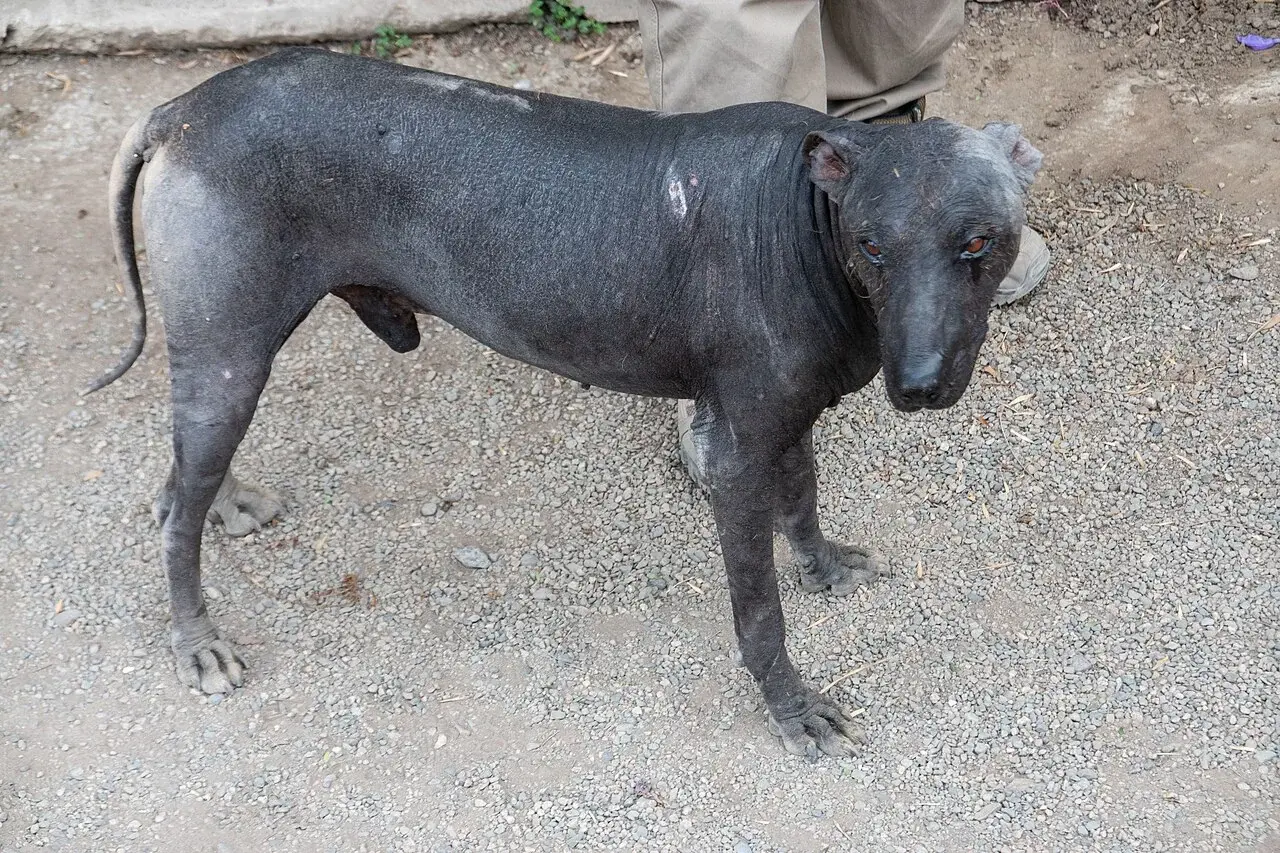
Recognized by international kennel organizations, this unique hairless breed has ties to South American history, though its precise role in pre-colonial textile traditions remains uncertain.
Studies of methylation patterns in contemporary canids show clear distinctions that may relate to behavior and domestication, though direct evidence from ancient remains is absent.
 Historical collection image