 Photograph
Good News & Happy Tails
Craft Beer Festivals Supporting Dog Rescues
Events that combine independent breweries, community gatherings, and support for local animal welfare organizations offer one enjoyable model for helping dogs in need.
All the News That's Fit to Bark!
Different angles on one enduring subject. Follow the sources in each story, compare the evidence, and make room for a surprise.
PhotographEvents that combine independent breweries, community gatherings, and support for local animal welfare organizations offer one enjoyable model for helping dogs in need.
 Photograph
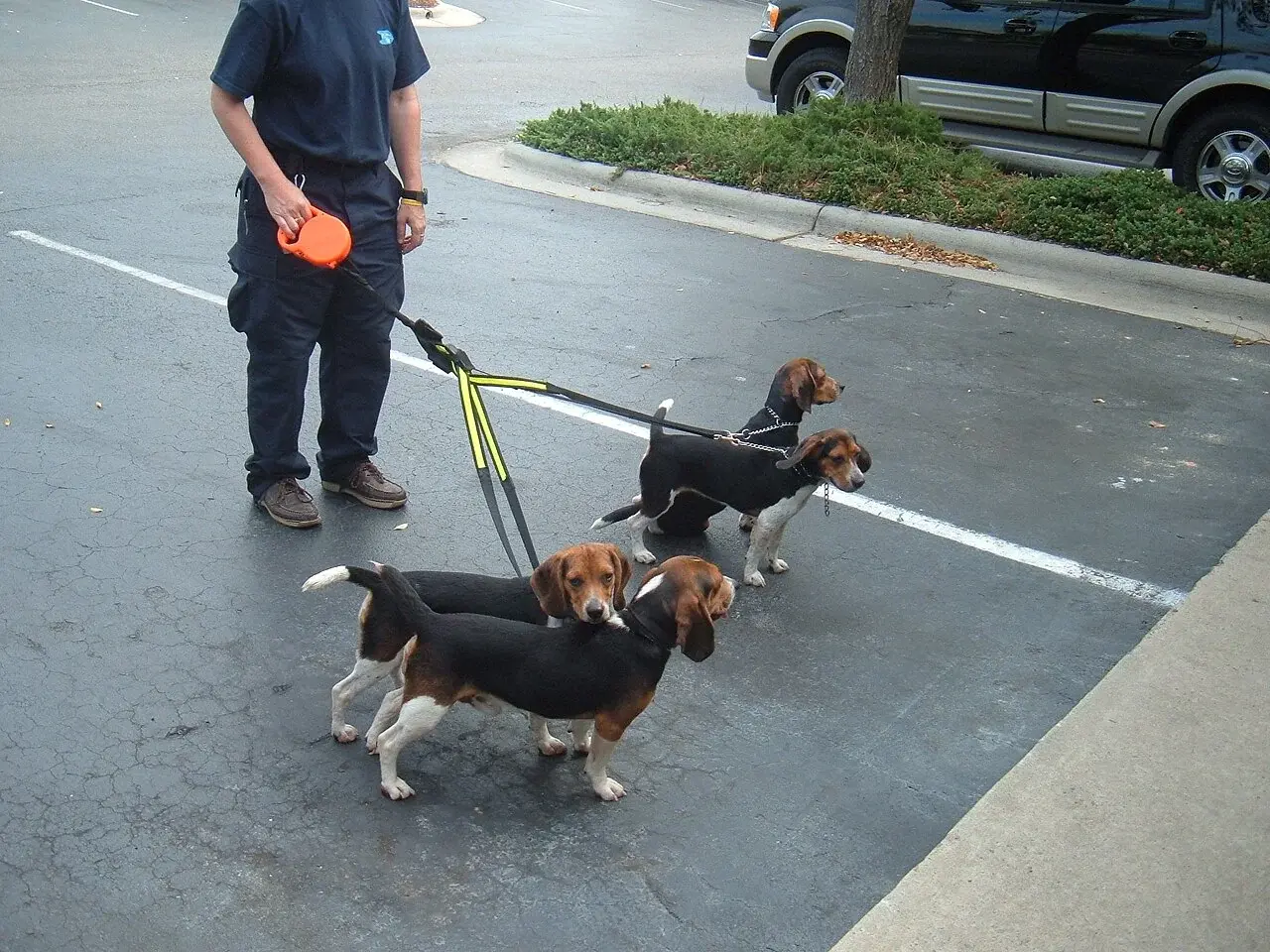
Department of Homeland Security. U.S. Coast Guard. 3/1/2003 · Public domain
Employee donation programs at many large companies can double or triple contributions to qualifying shelters and breed-specific health groups, stretching each gift further for animal care.
 Photograph
A single volunteer sighting during a mountain search shows how everyday cyclists can support organized pet-rescue efforts.
 Photograph
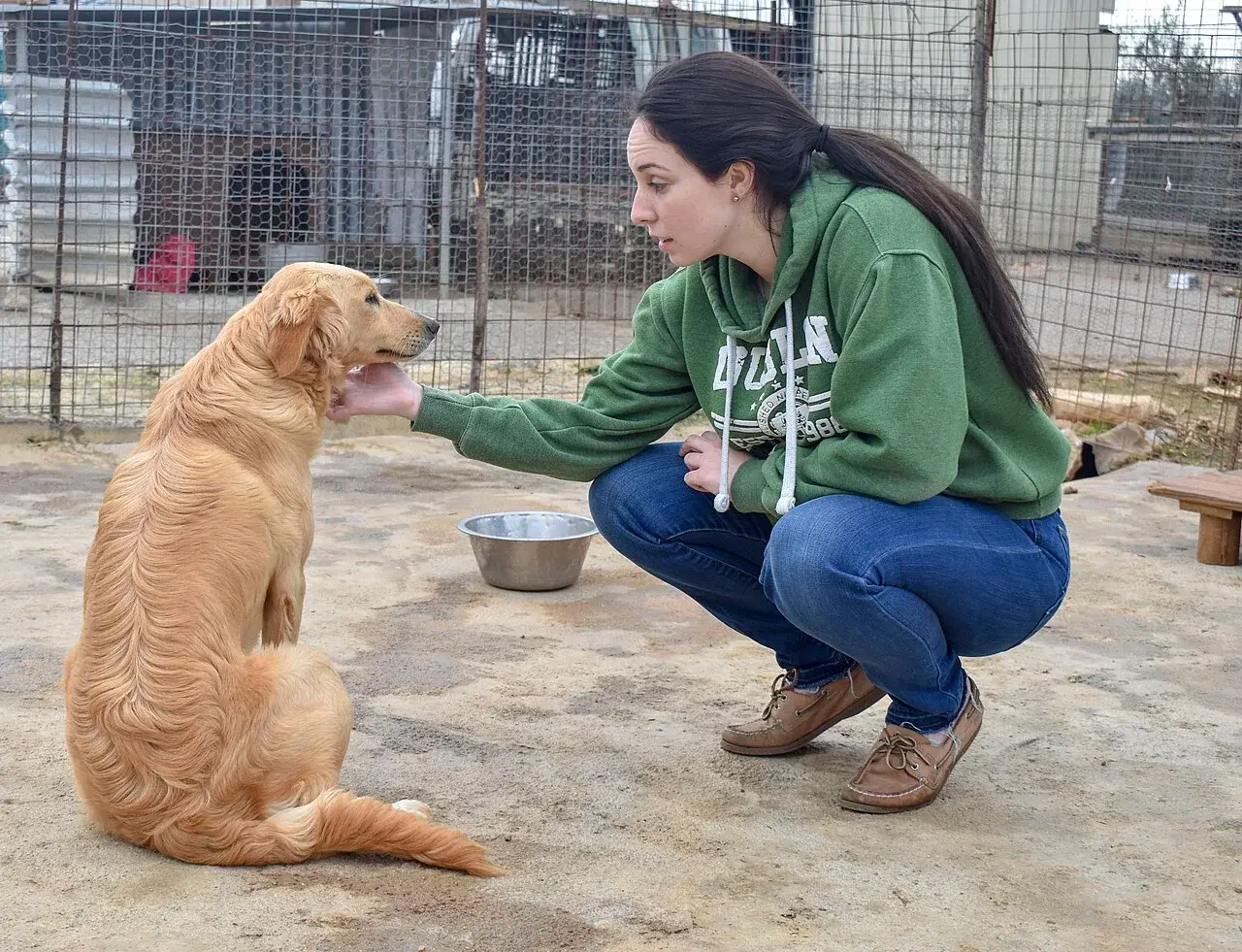
U.S. Navy photo by Petty Officer 2nd Class Kelly M Agee · Public domain
Daily enrichment routines help shelter dogs stay engaged, and volunteers play a supporting role within established guidelines.
 Photograph
Source collection · Public domain
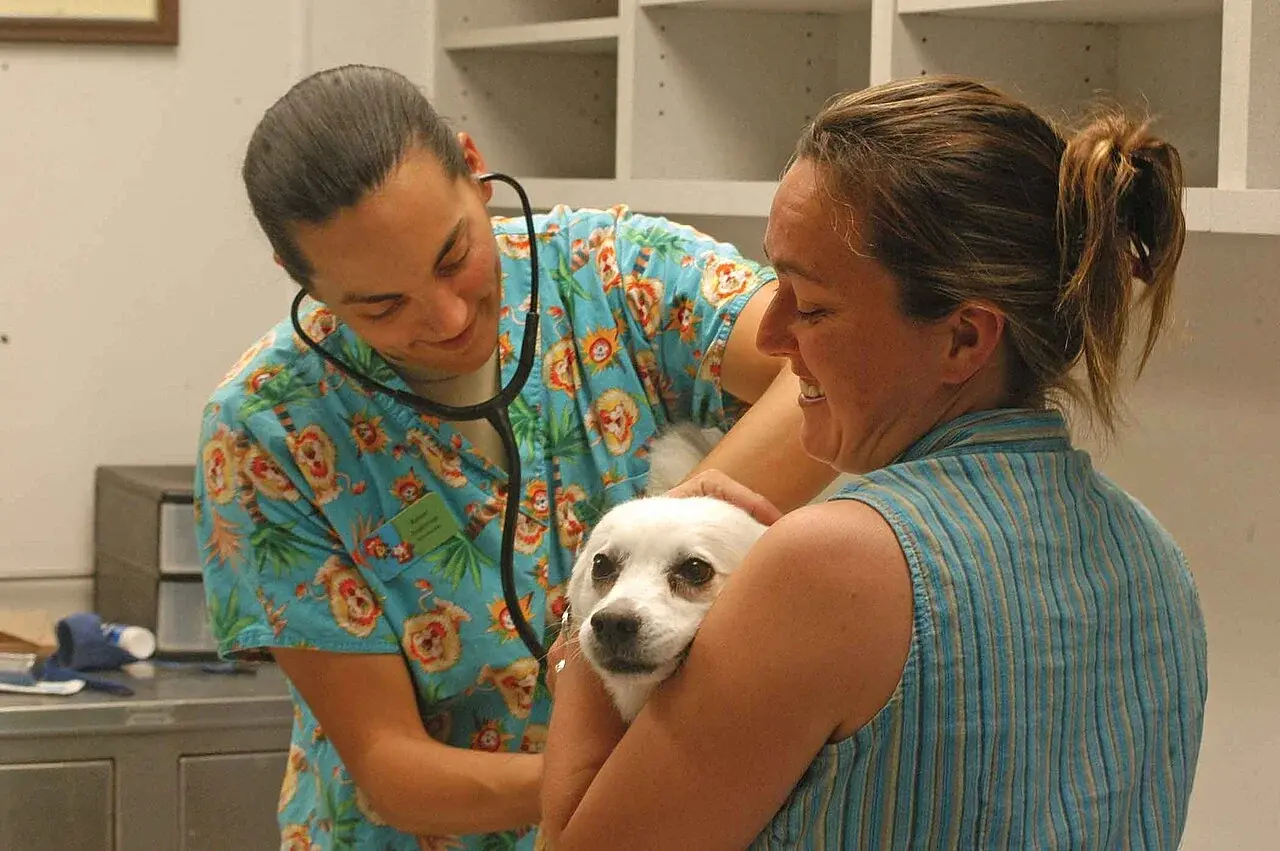
Veterinary guidelines explain the role of key vaccines in training immunity against serious canine diseases.
 Photograph
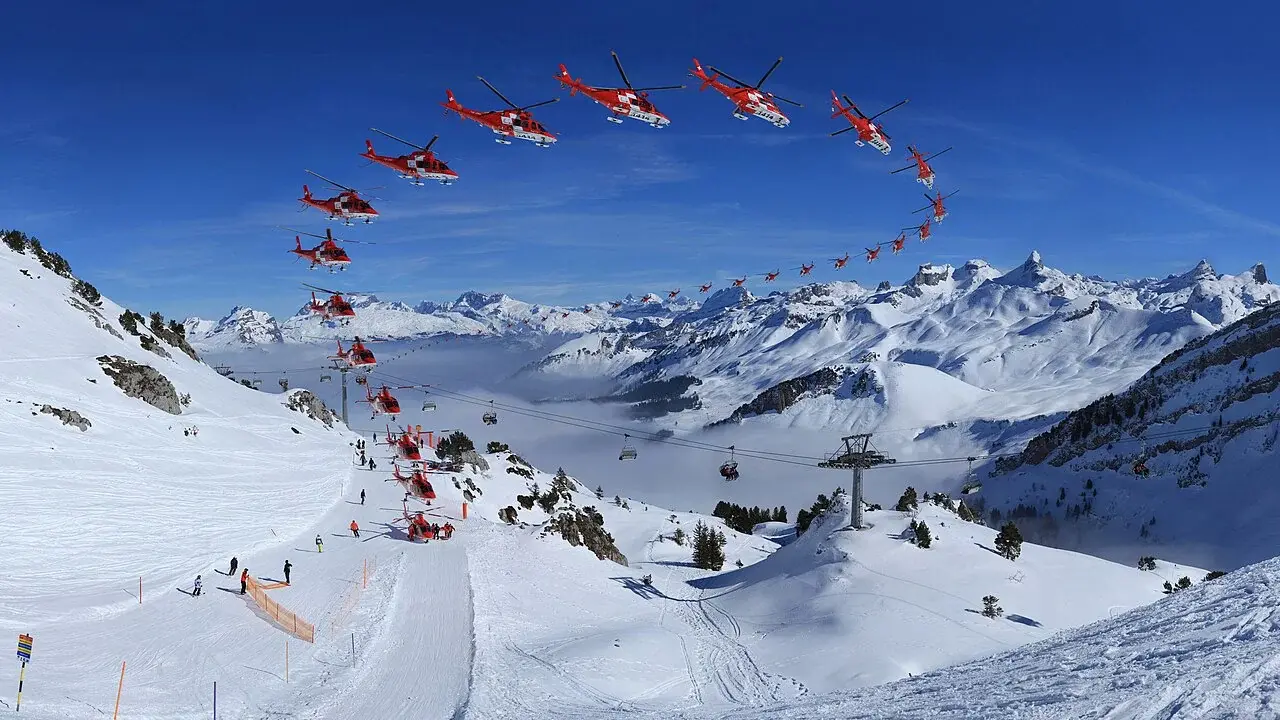
A look at coordinated Swiss rescue operations that include avalanche dogs, drawn from limited public descriptions of specialist teamwork.
 Photograph
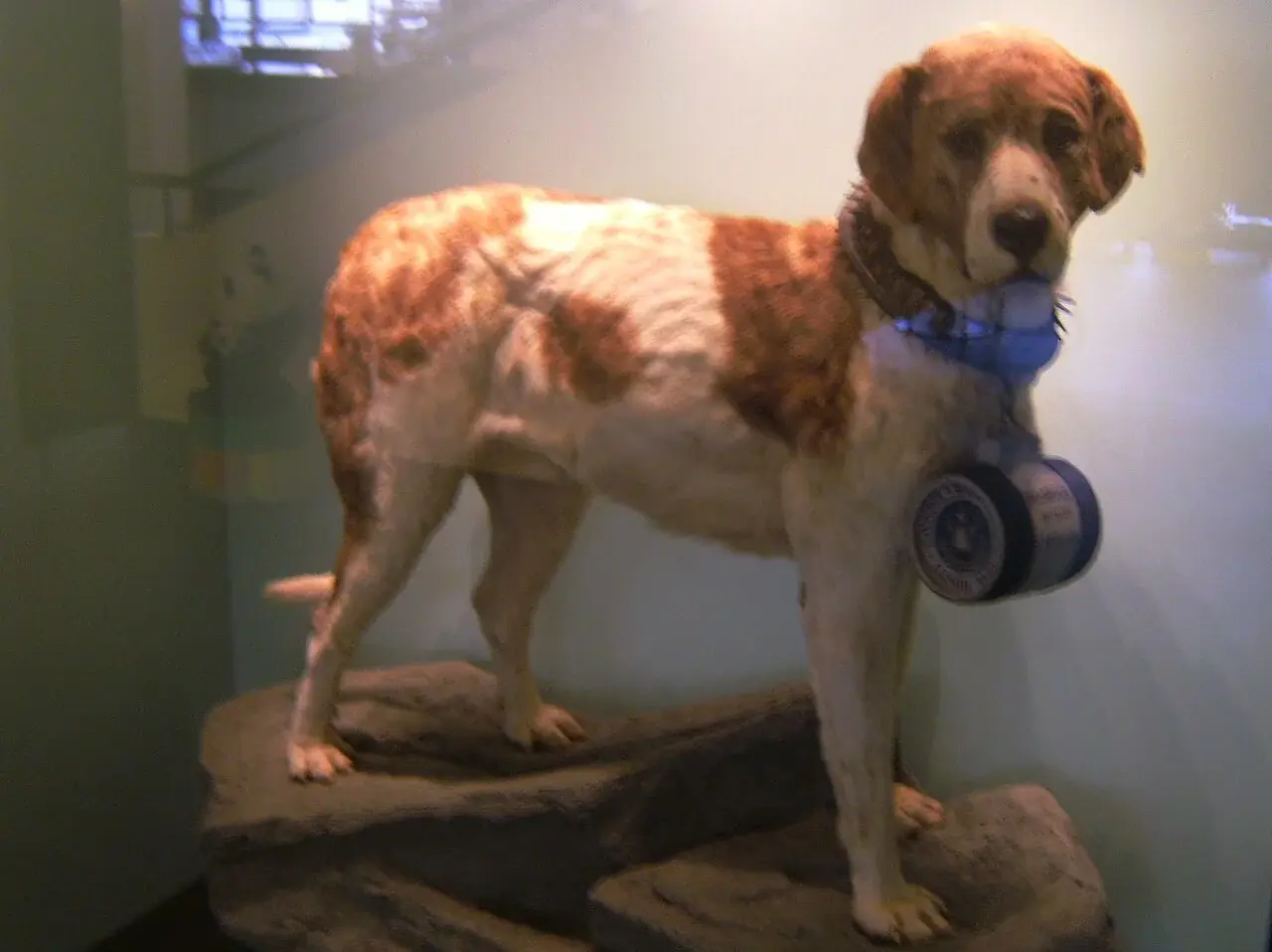
A real Alpine dog whose reputation grew from hospice service, even though detailed rescue records were never kept.
 Photograph
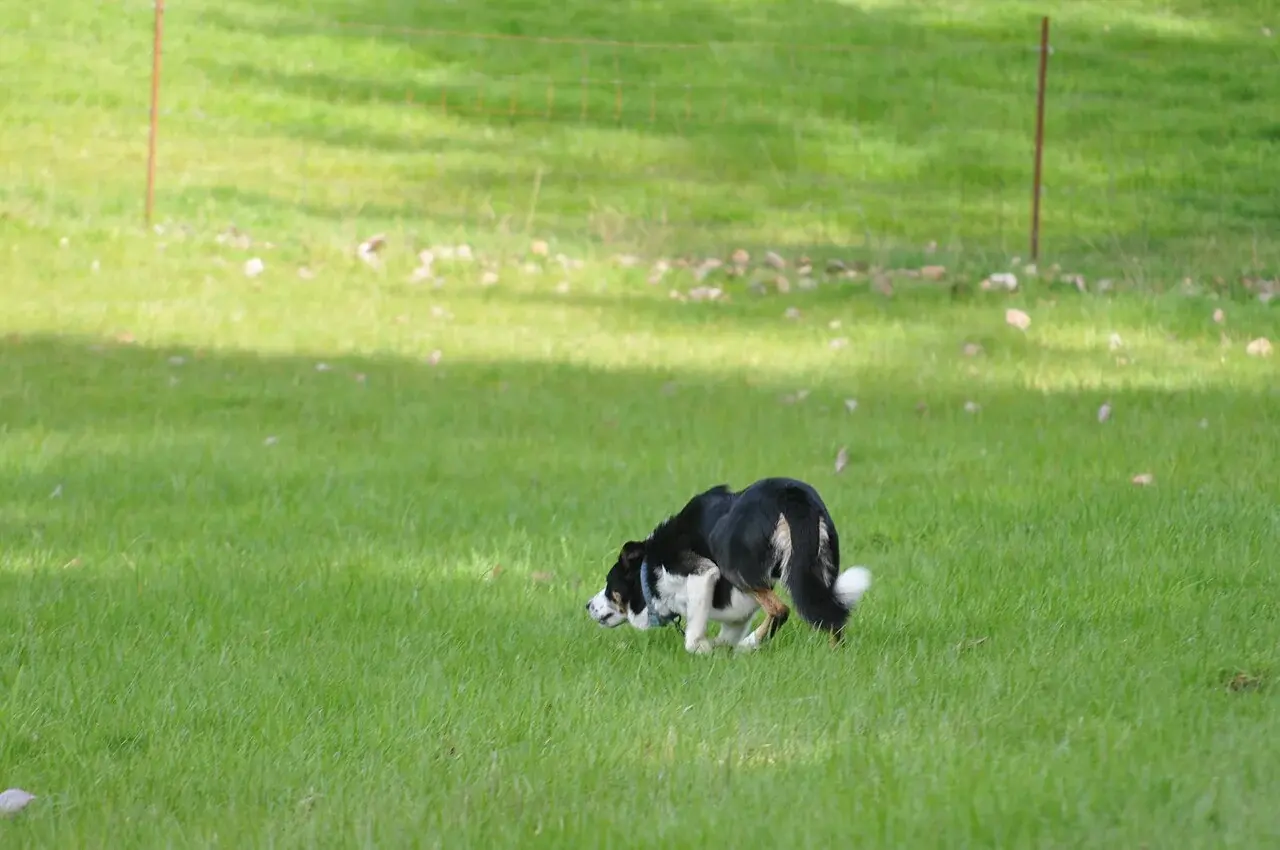
University of Sydney veterinary studies highlight how working dogs contribute to livestock health, pain management, and one-welfare approaches on vast pastoral operations.
 Historical collection image
Unknown authorUnknown author · Public domain
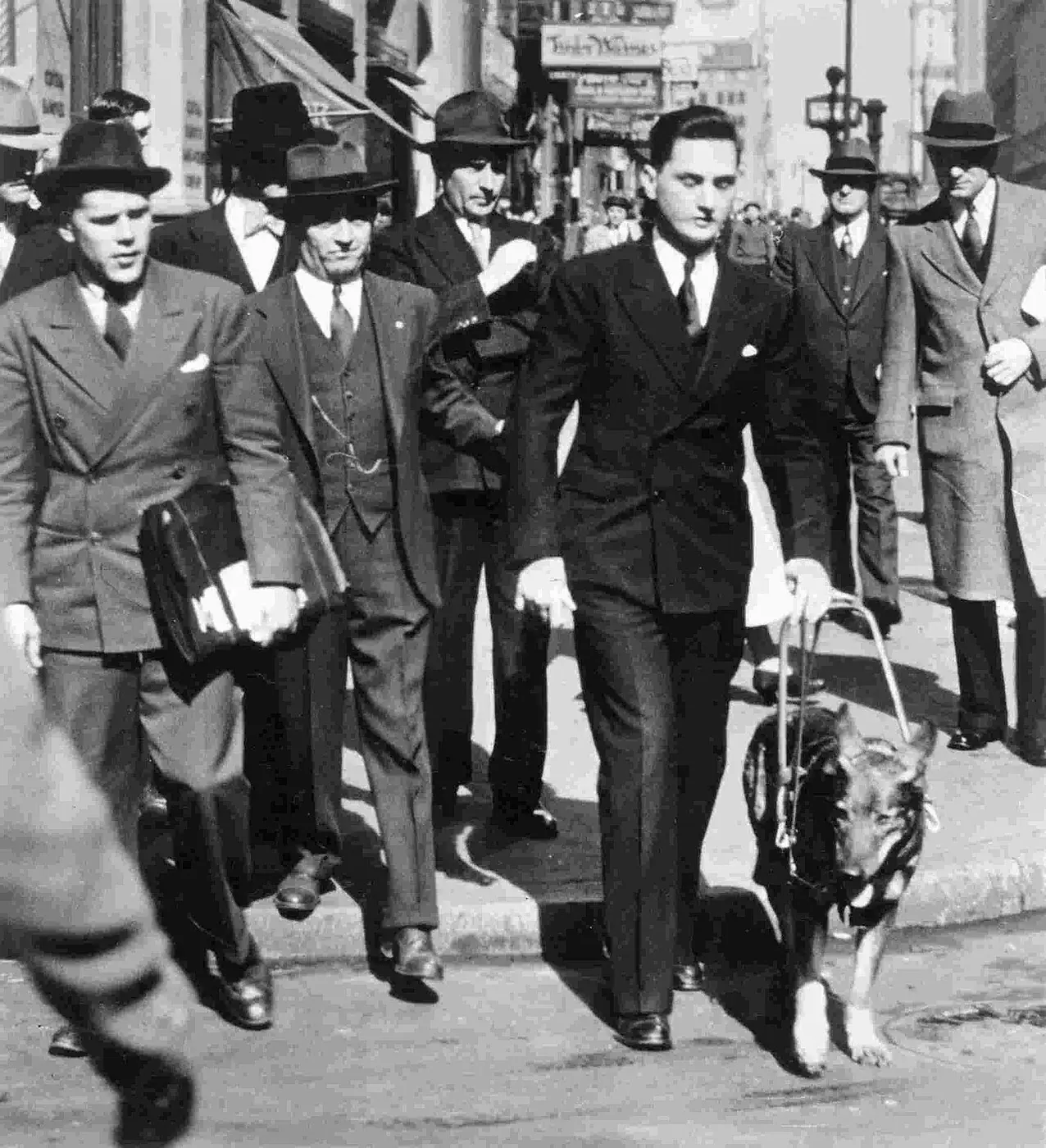
In 1928, a German shepherd originally named Kiss became Buddy and helped launch guide dog work in America after training at a Swiss center with her blind partner Morris Frank.
 Historical collection image
Archives Branch, USMC History Division · CC BY 2.0
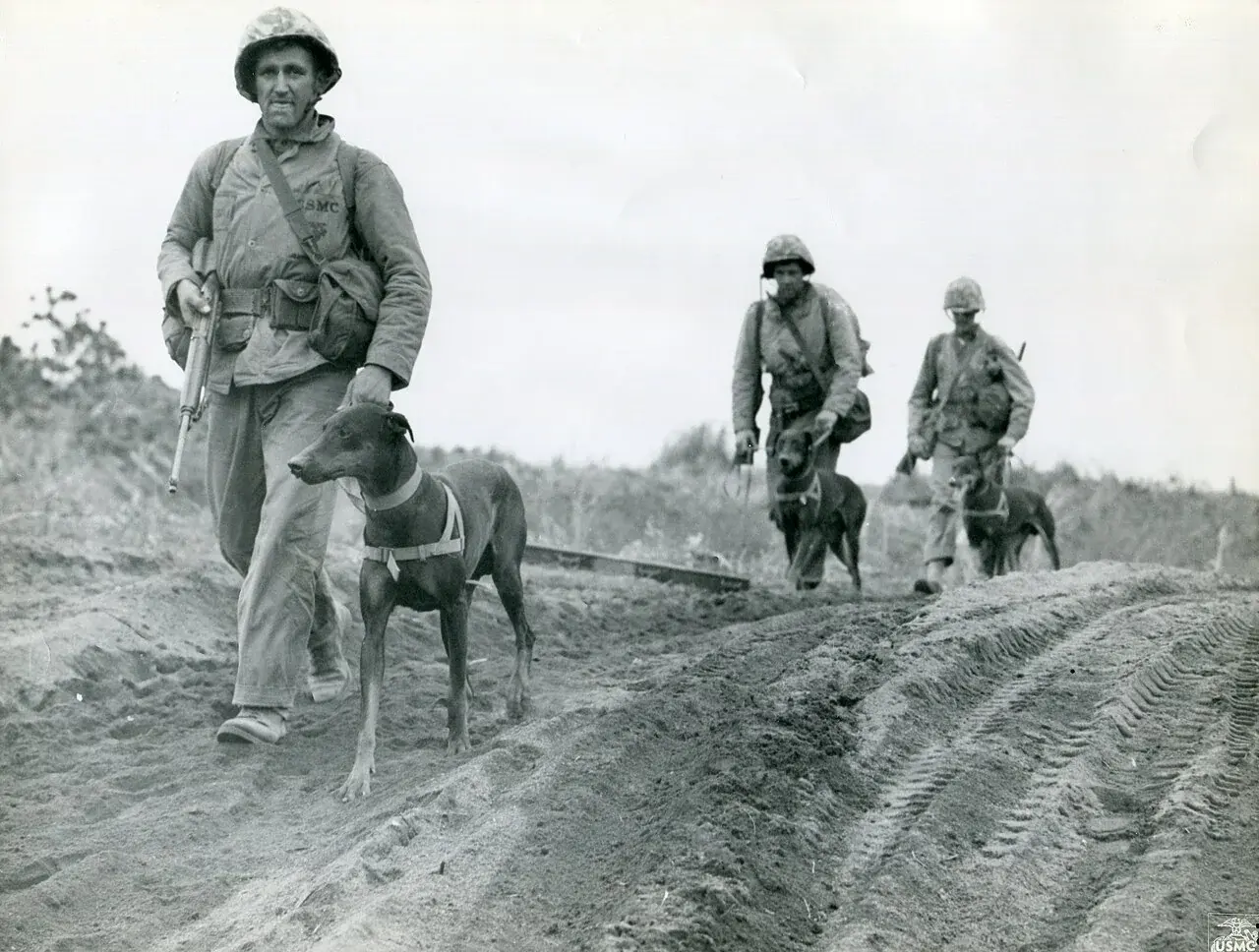
A German shepherd-collie-husky mix earned battlefield recognition for charging an enemy machine-gun nest during the 1943 Sicily landings, though most of his honors were later revoked.
 Photograph
Norsk Folkehjelp Norwegian People's Aid from Norway · CC BY 2.0
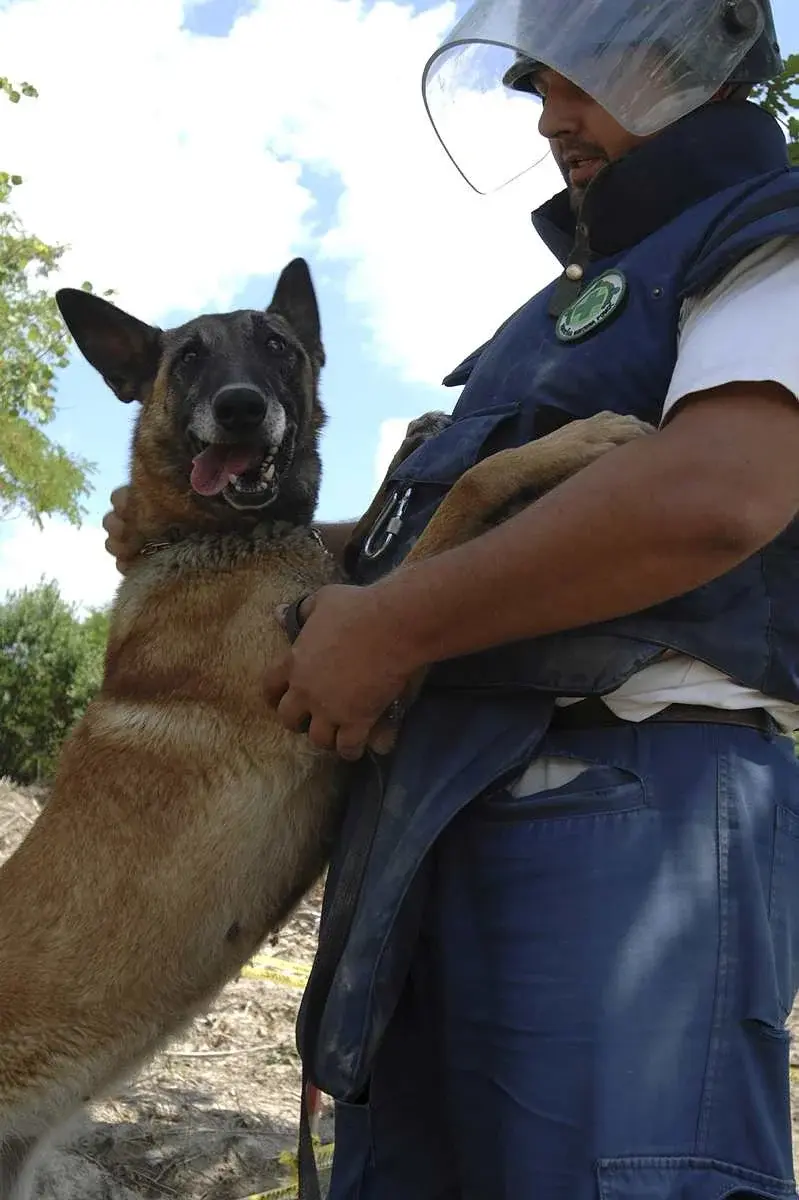
Inside a Sarajevo centre where puppies begin learning to support land-release efforts, Belgian Shepherd Malinois dogs train as part of a broader humanitarian approach.
 Historical collection image
Frank Hurley · Public domain
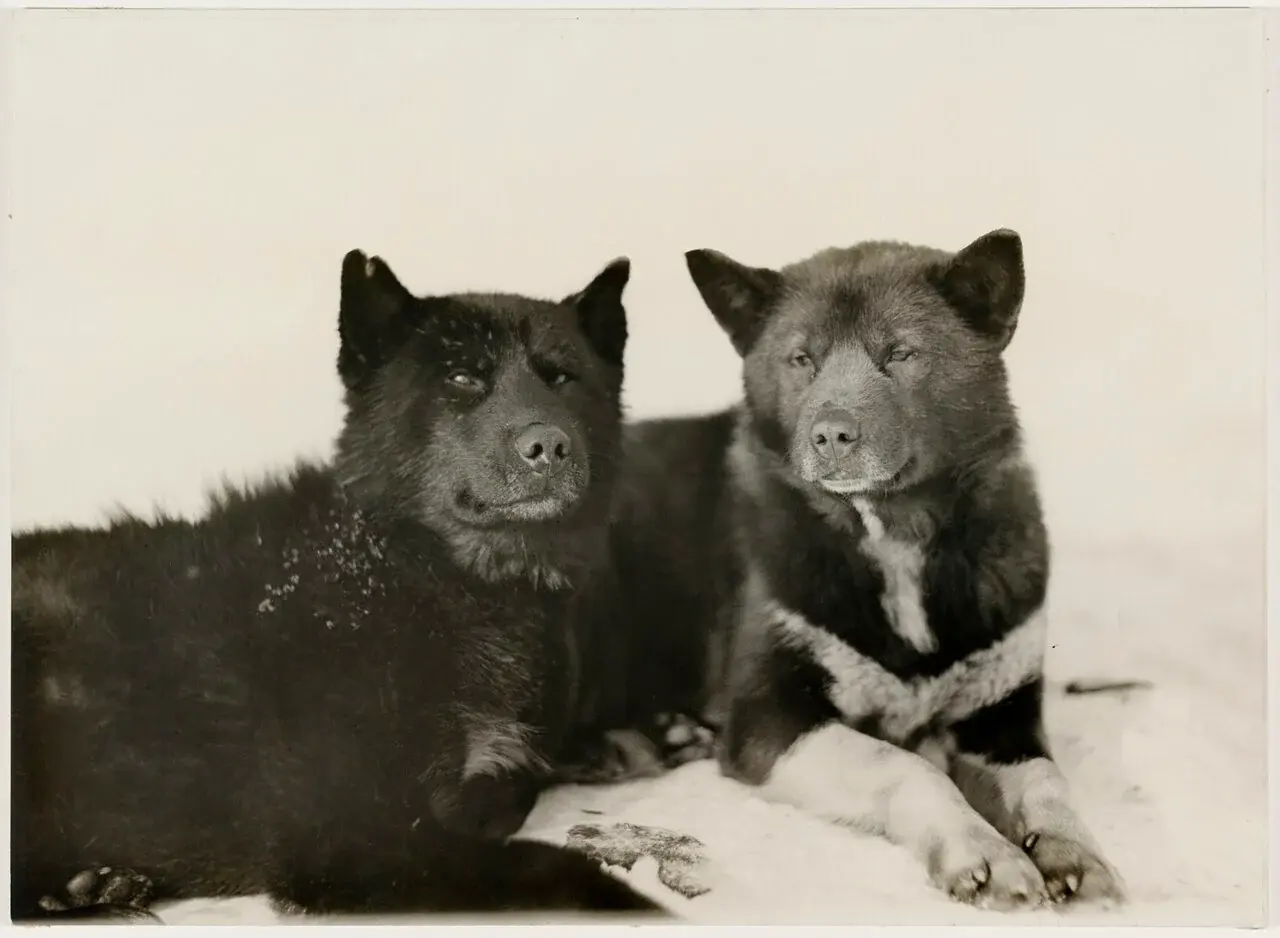
Careful selection, numbers, and practical management of the dogs helped one 1911 expedition complete a demanding round trip to the South Pole.
 Historical collection image
Unknown authorUnknown author · Public domain
During the September 11 attacks, Roselle guided her blind partner Michael Hingson down many flights of stairs from the 78th floor of the North Tower, later drawing attention to the composure of working guide dogs.
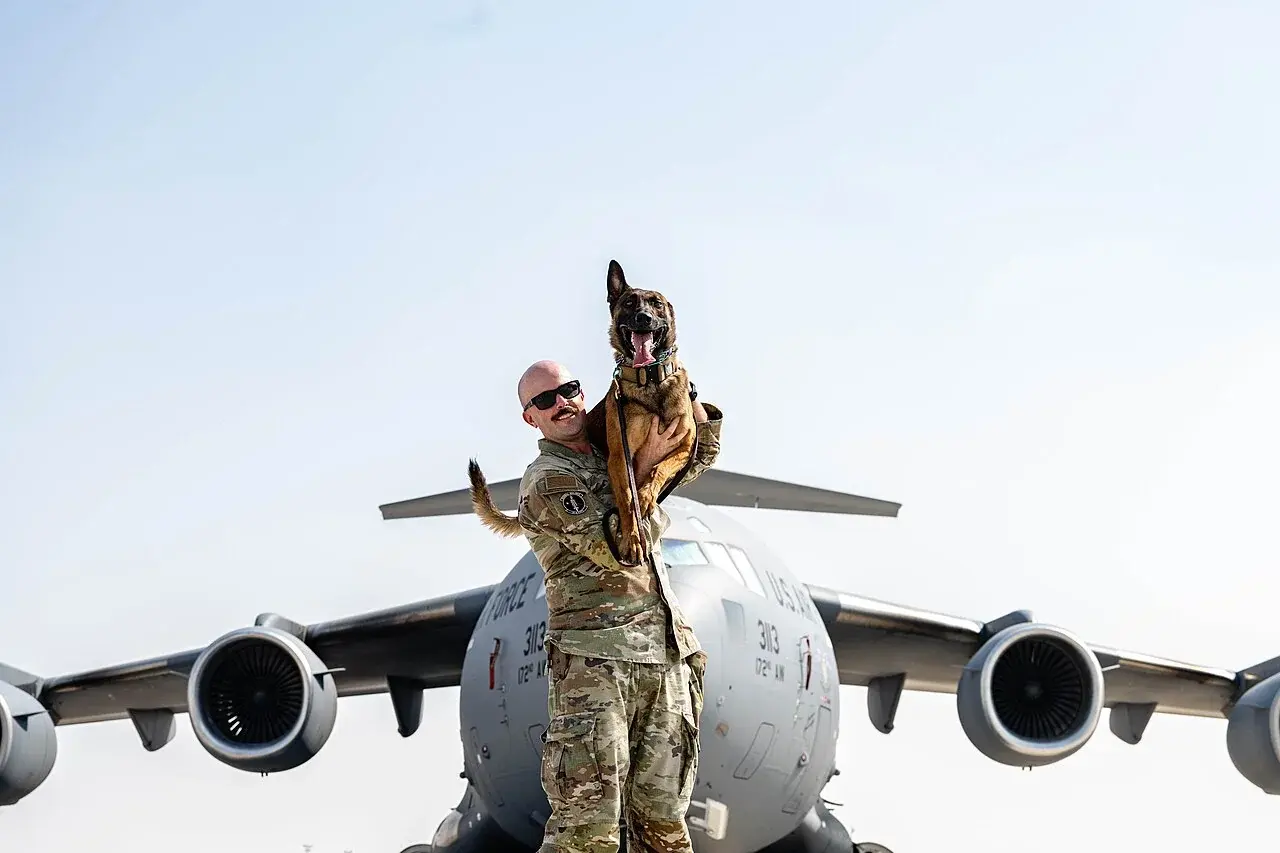 Photograph
U.S. Air Force photo by Senior Airman Violette Hosack · Public domain
Handlers read subtle changes in a dog’s body language and reward successful alerts with play, turning the animals’ natural drive into a tool for finding hidden threats.
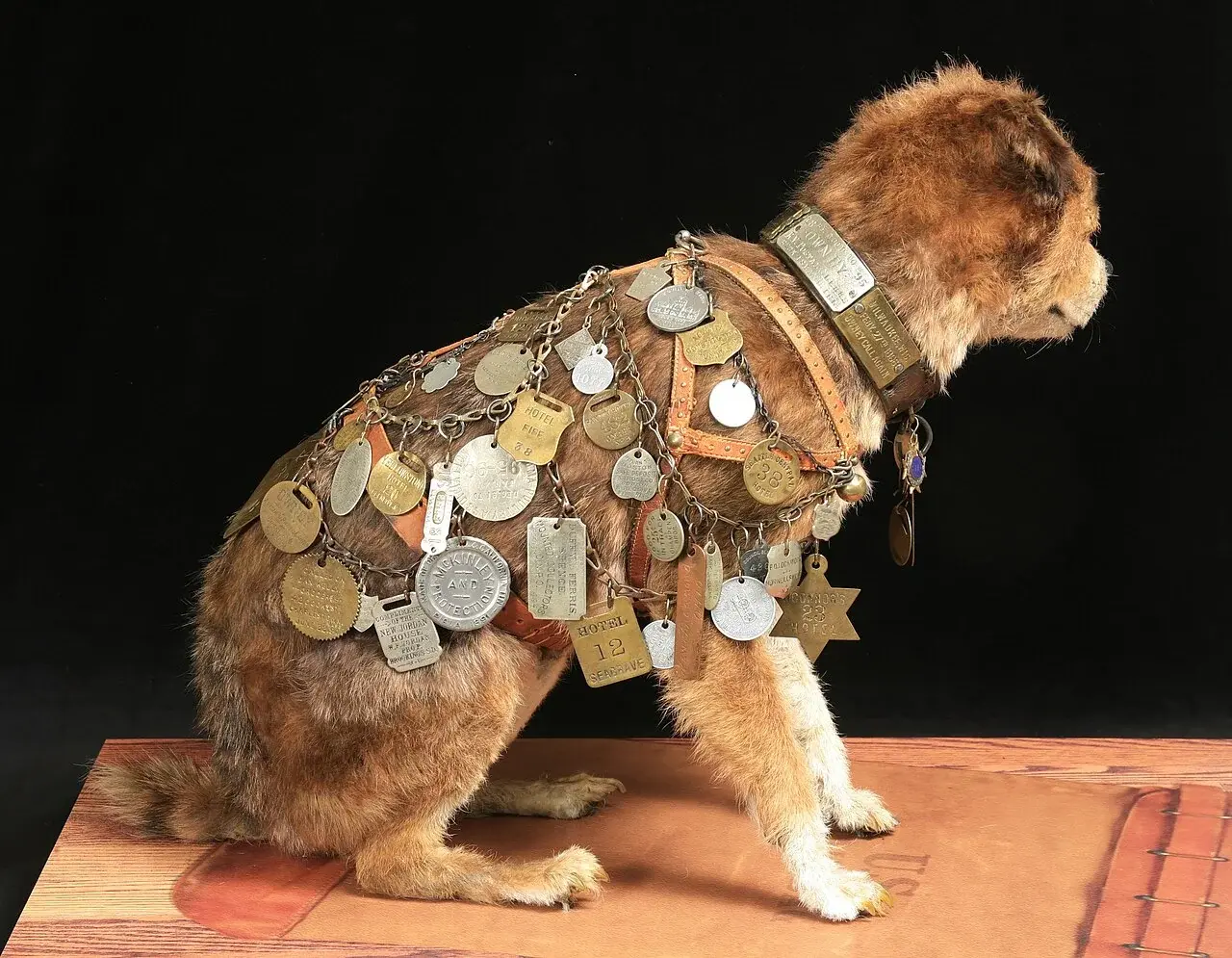 Photograph
Smithsonian Institution · CC0 1.0
Preserved by the Smithsonian’s National Postal Museum, Owney’s story offers a glimpse into the working lives of late-19th-century postal clerks and the bonds they formed with an adopted stray.
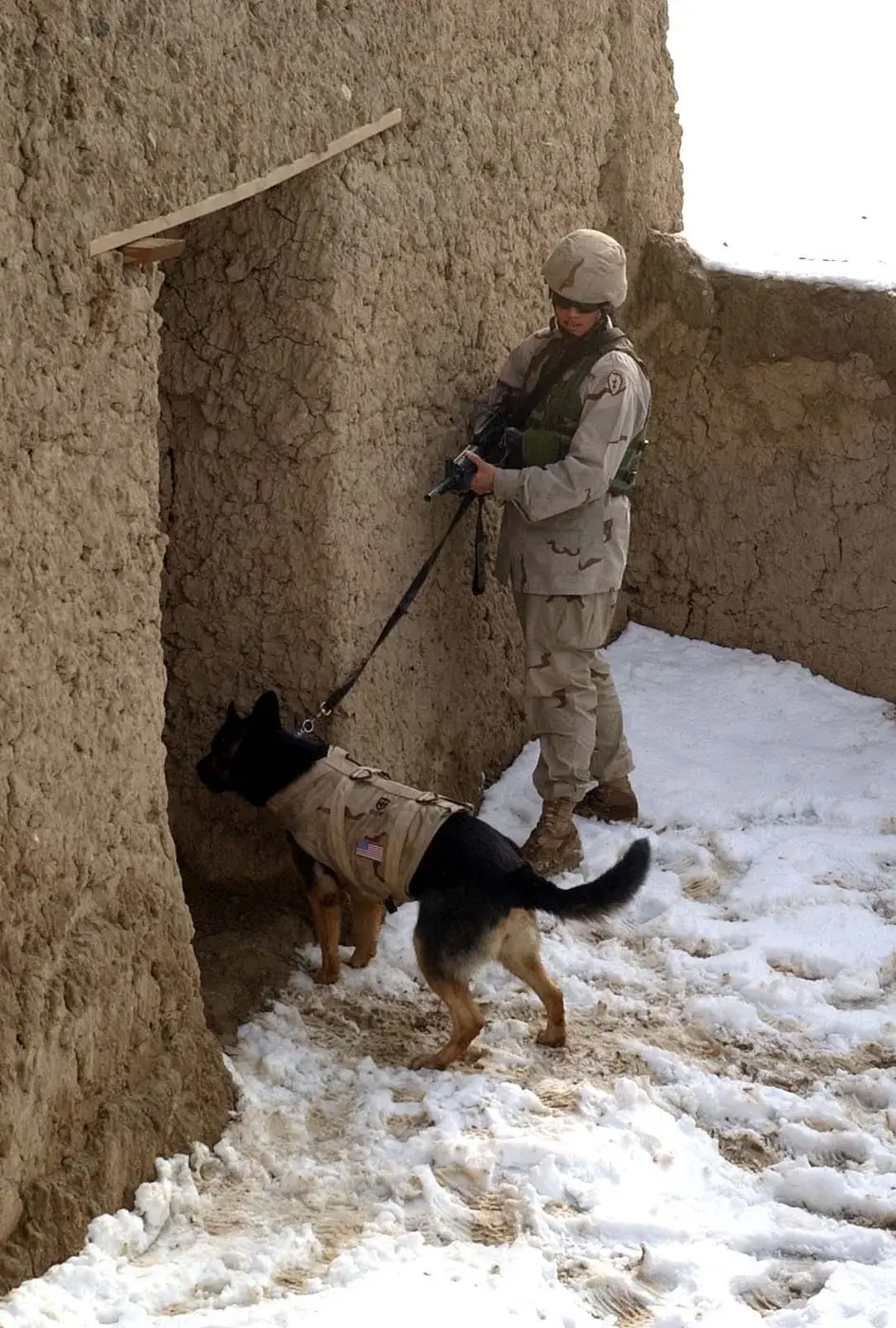 Photograph
Spc. Cheryl Ransford · Public domain
A Belgian Malinois accompanied Navy SEALs on the 2011 Abbottabad mission, outfitted with protective and camera-equipped vests that illustrate how canine teams support elite units.
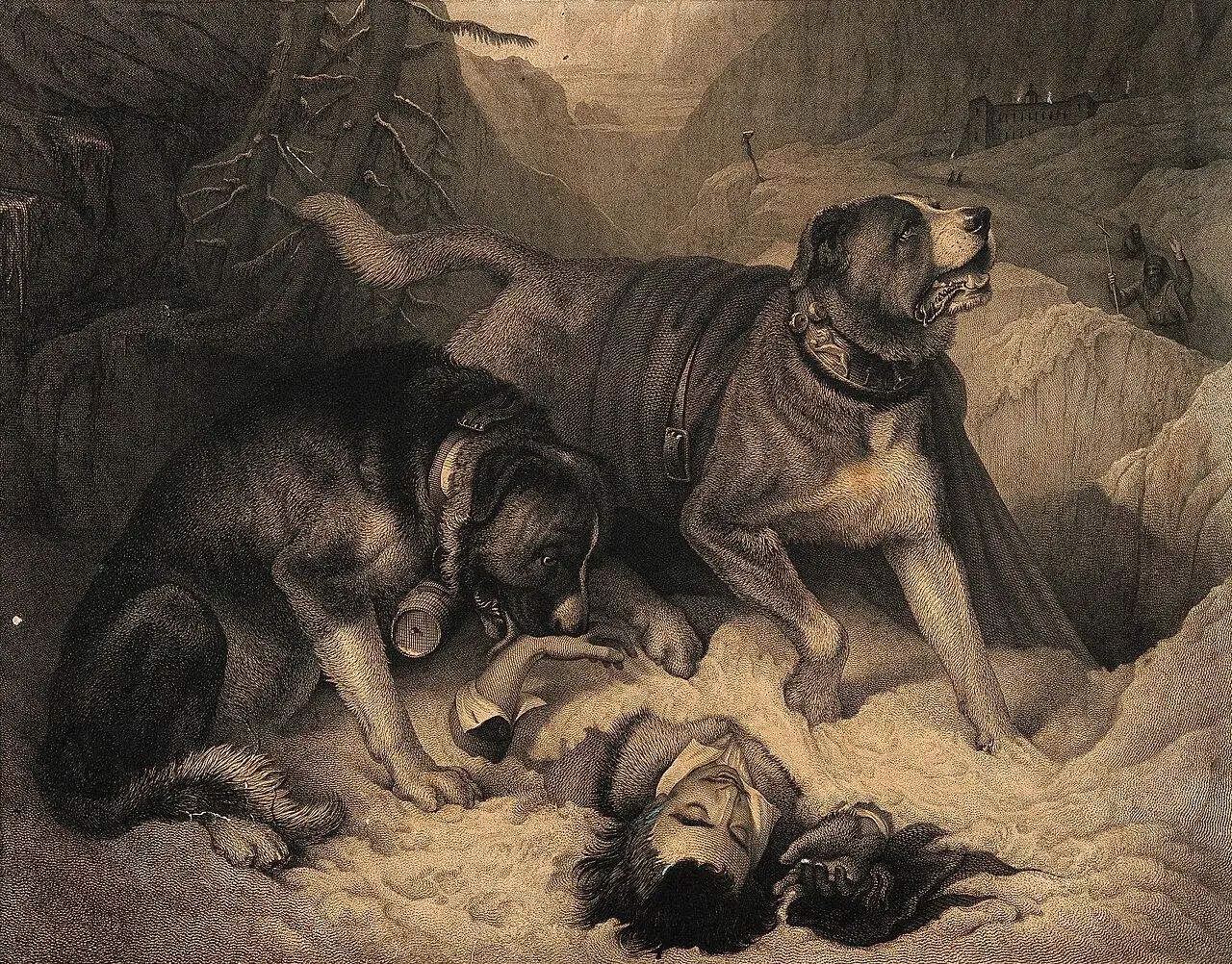 Historical collection image
From military experiments in the 1940s to civilian stewardship by the Swiss Alpine Club, dogs became valued partners in locating people buried by snow.
 Photograph
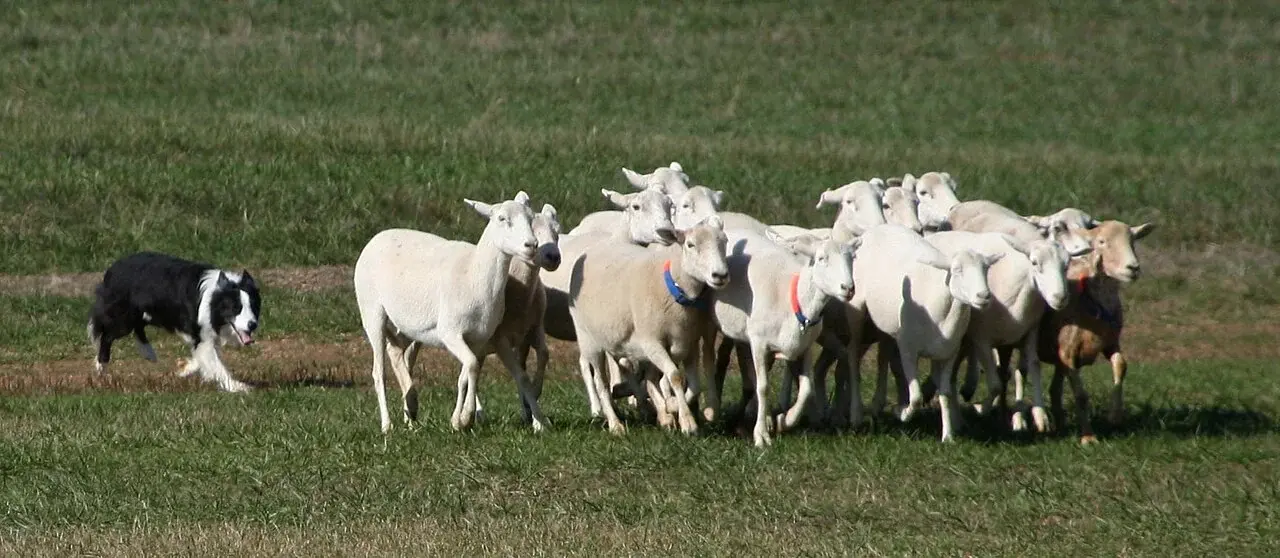
The formation of the United States Border Collie Club in 1975 and the first handler clinic in 1976 helped bring structured herding events to a country that previously had almost none.
 Photograph
Imported German Shepherds helped some veterans of the Sino-Japanese War regain independence, decades before guide-dog programs became widespread in the country.
 Historical collection image
Herbert Ponting (survived the expedition and died in 1935) · Public domain
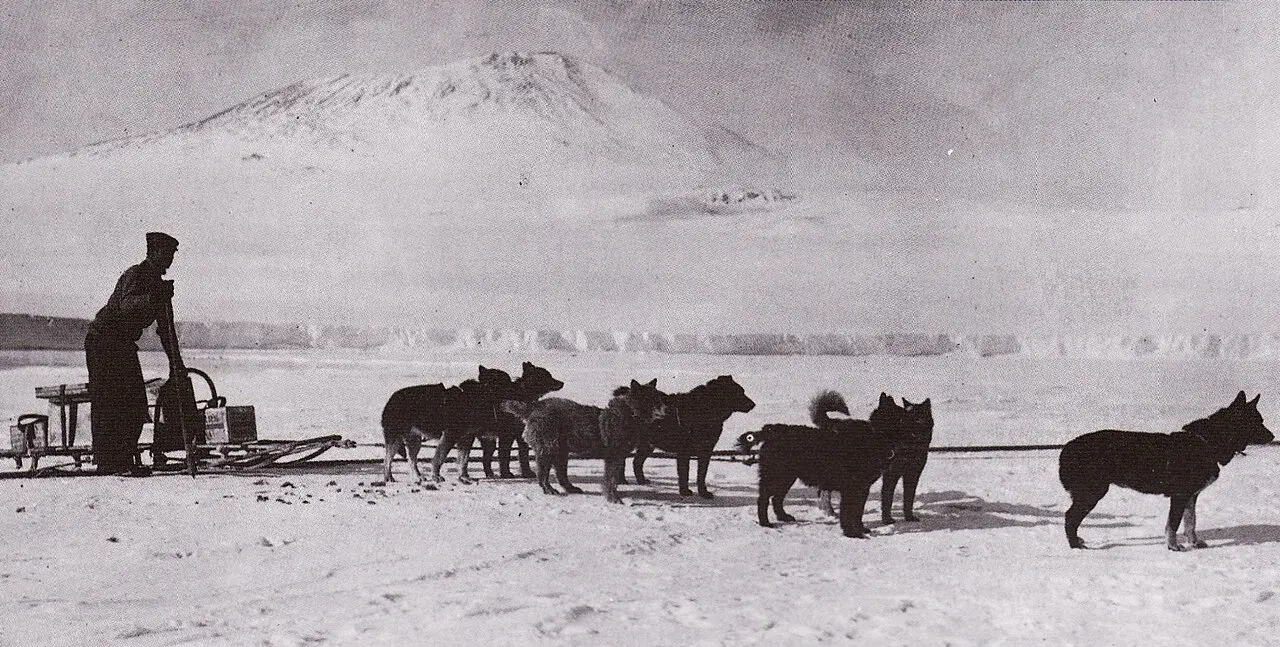
Norwegian and British expeditions to Antarctica in the early 20th century relied on working dogs for transport, with outcomes shaped by breed selection, feeding, and handling practices drawn from Arctic traditions.
 Photograph
Long-distance dog rescues move animals from high-intake shelters to new homes, but careful selection, vaccination, and quarantine steps are essential to limit the spread of illnesses such as parvovirus and distemper.
 Photograph
Jeff Pearce from New York · CC BY 2.0
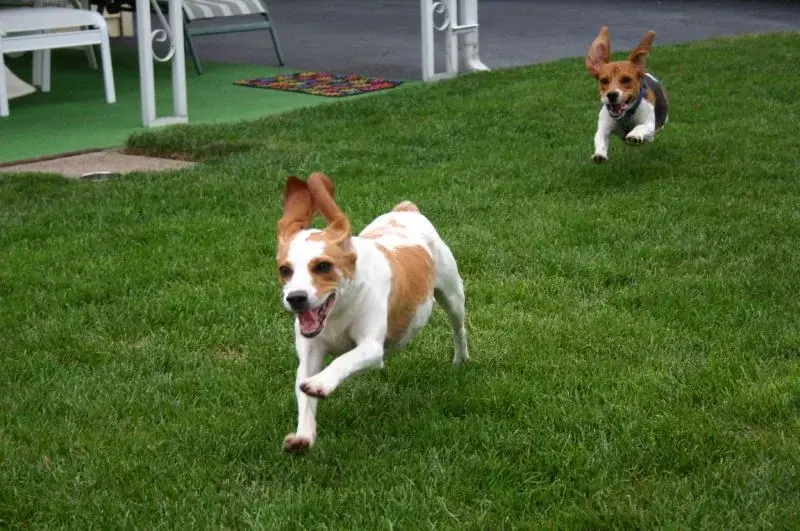
A fictional satirical guide packed with gentle comedic advice for turning your dog’s late-night sprints into peaceful snoozes.
 Photograph
Nishi.LovesBees · CC BY-SA 4.0
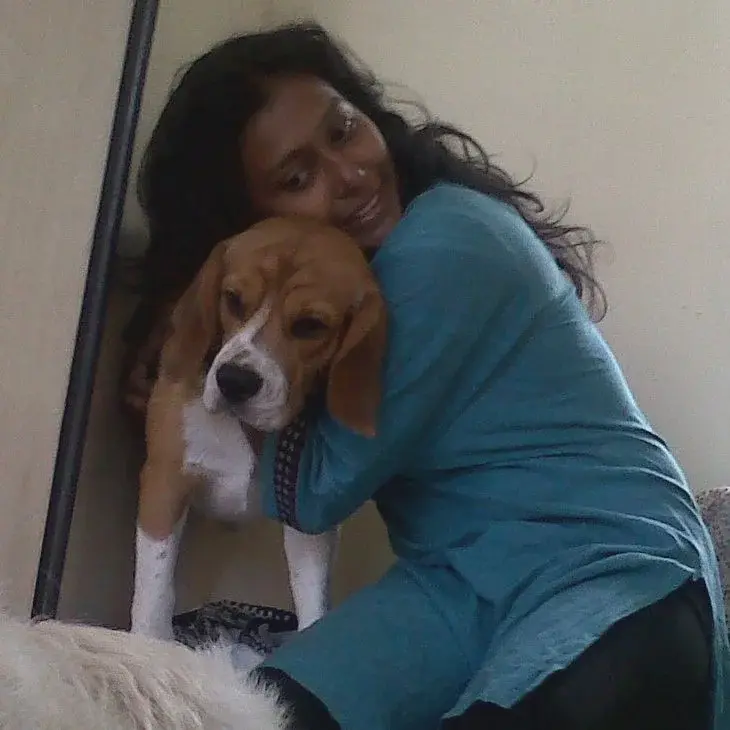
In this fictional satire, discerning canines serve as accidental food critics, nudging humans toward healthier kitchens with a wag and a sniff.
 Photograph
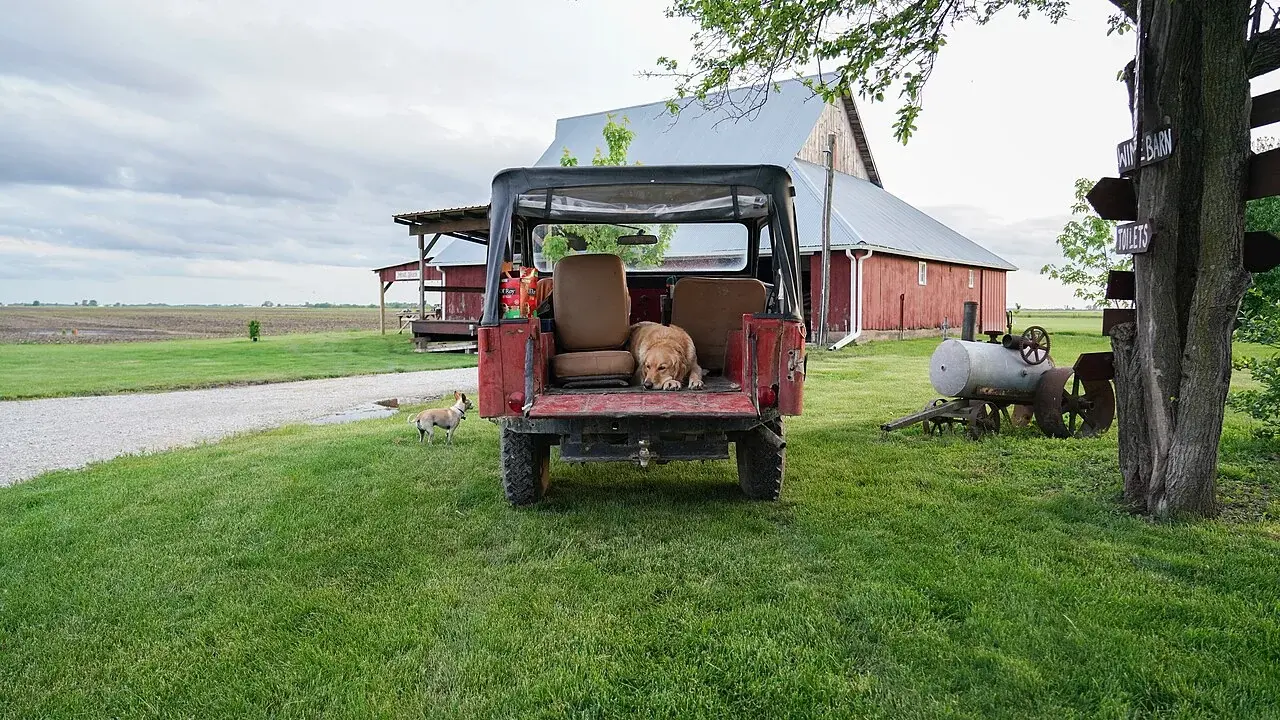
A straightforward look at how some rescues share owner-surrender listings and why direct contact with the current owner shapes the experience.
 Photograph
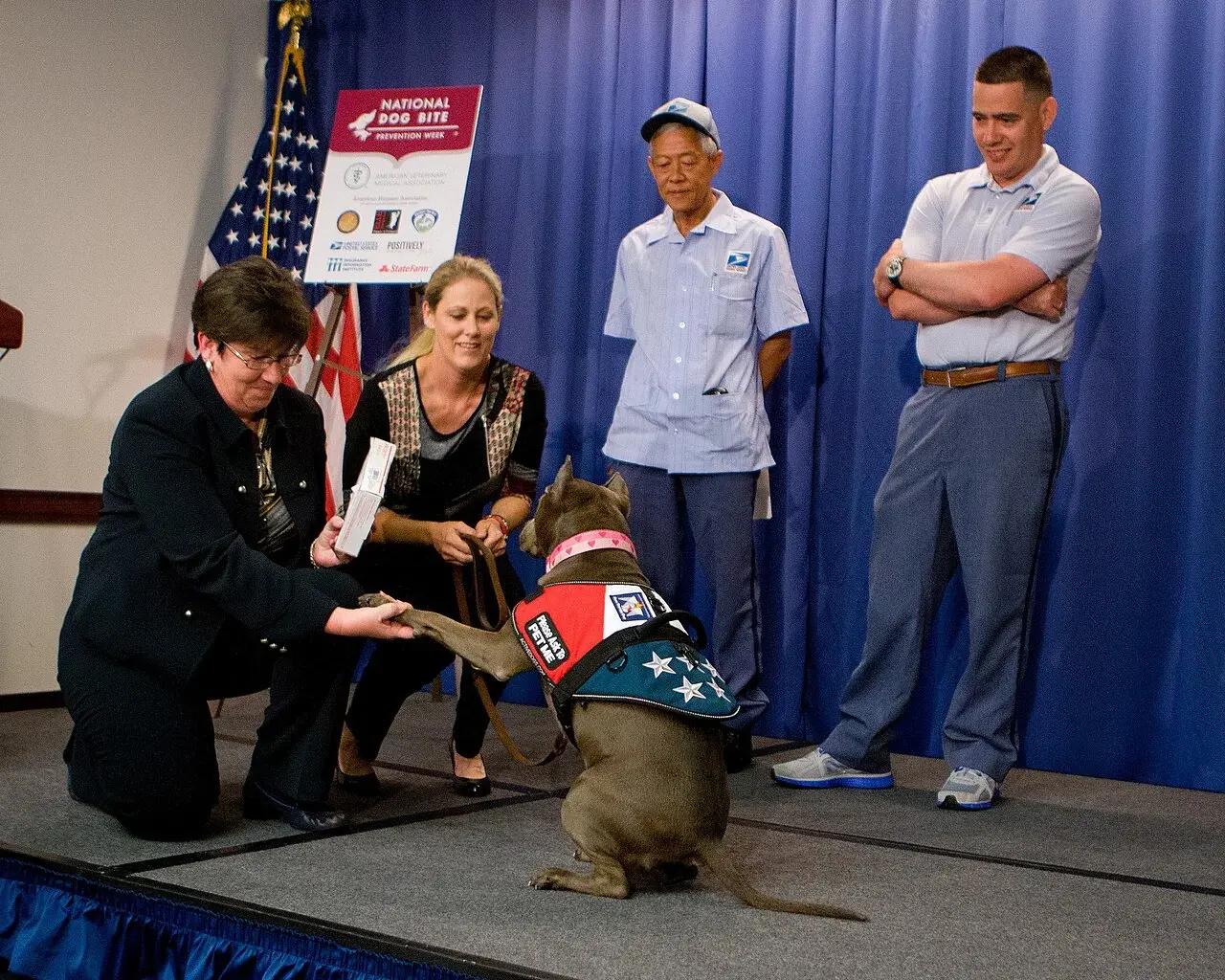
A guide to understanding bite incidents by focusing on context, behavior, and prevention instead of breed labels.
 Photograph
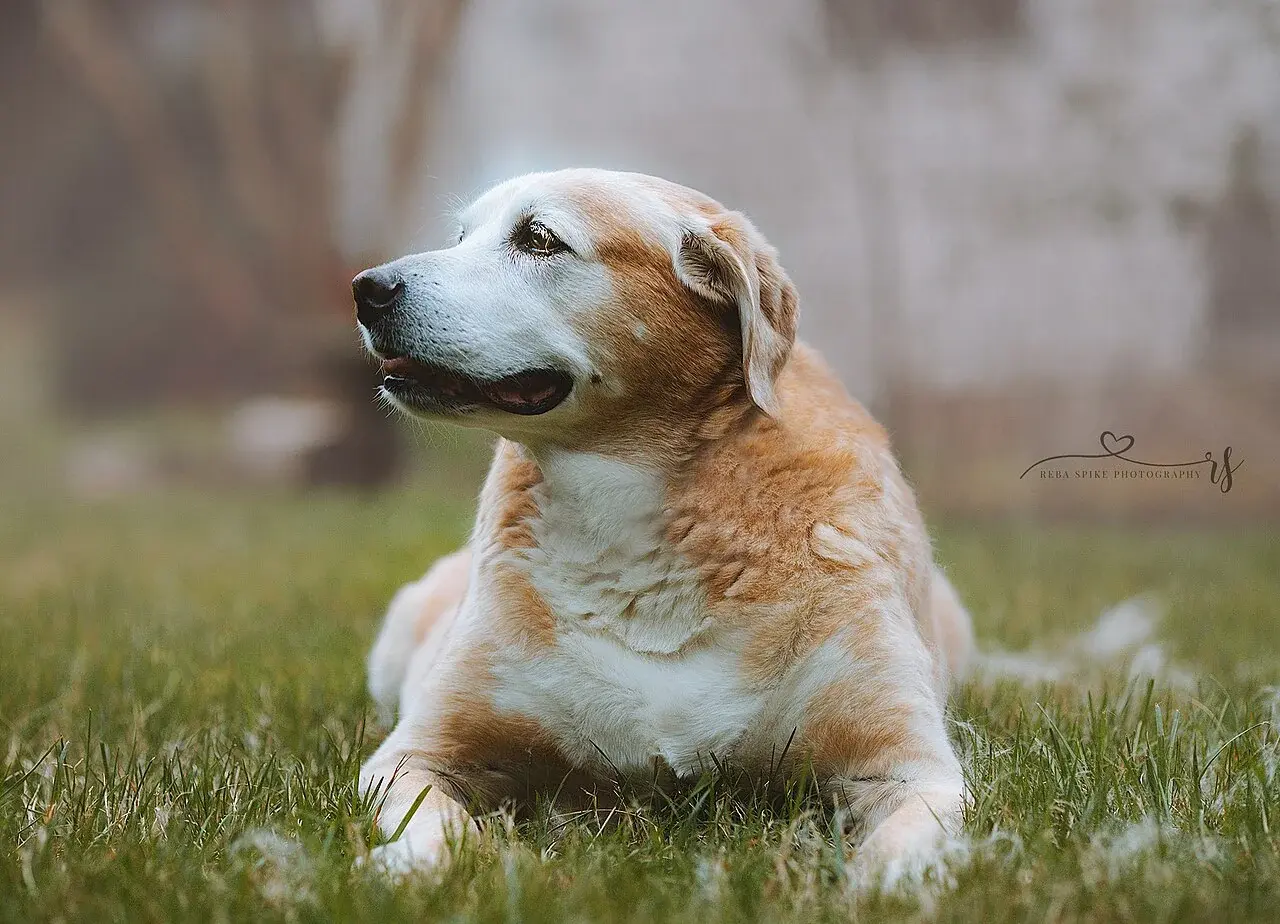
Thoughtful financial and legal steps can spare aging canines the upheaval of sudden rehoming when their people face illness or the inevitable.
 Historical collection image
Staff Sgt. Nicole Mickle · Public domain
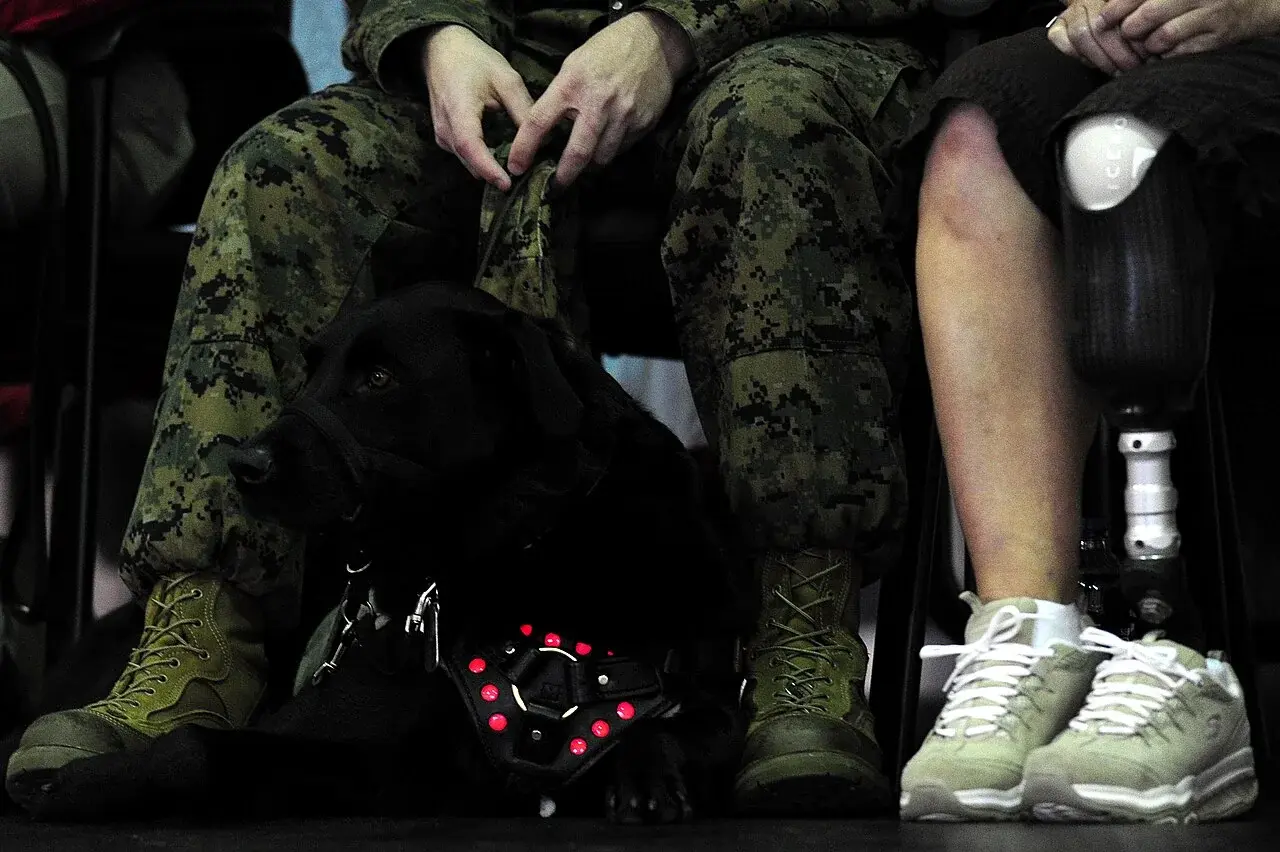
Blanket disdain for breeders risks eroding the careful preservation of dogs bred for service, therapy, and farm roles that shelters rarely supply.
 Photograph
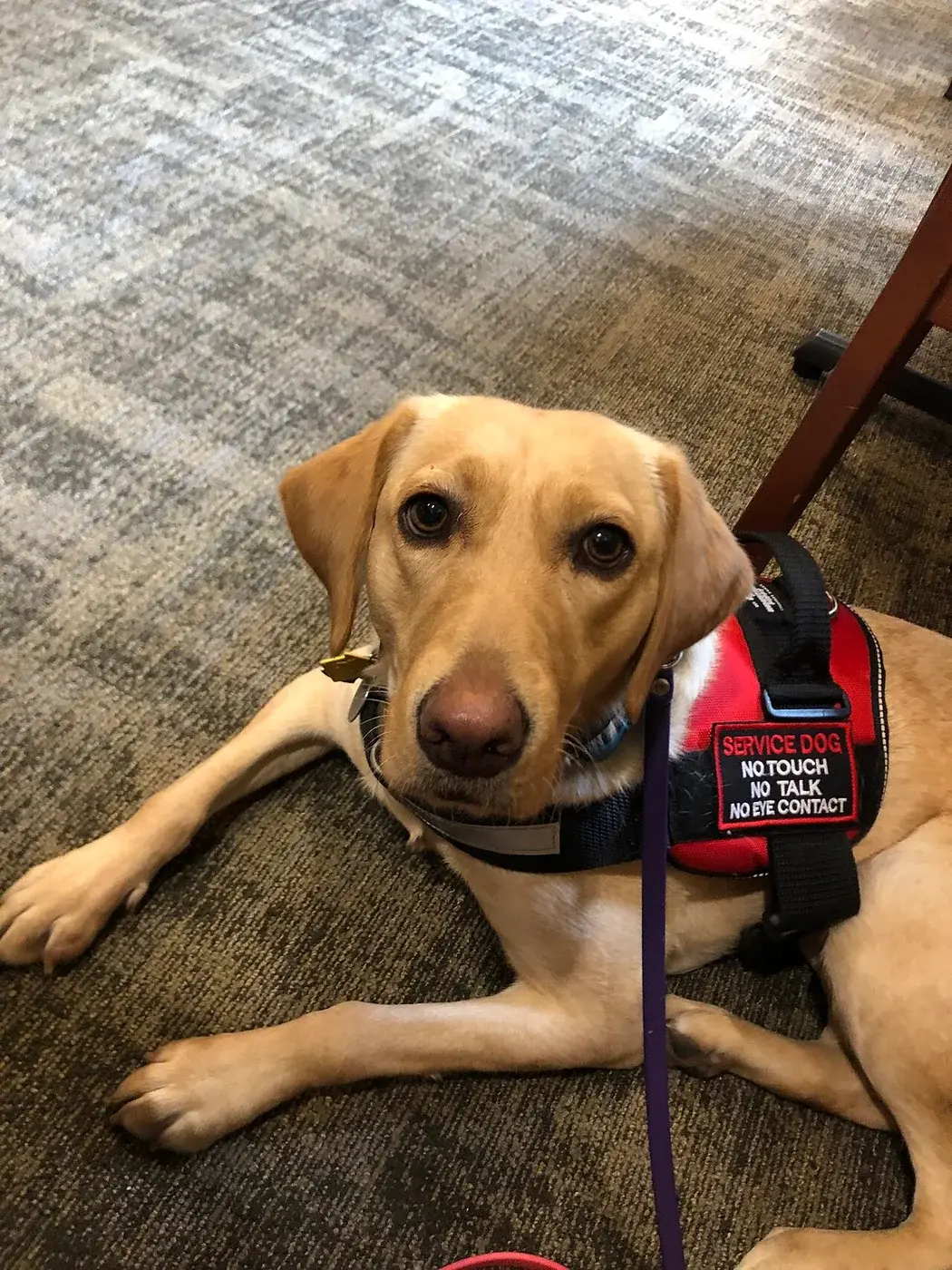
The growing habit of treating pets as emotional support props risks eroding the delicate public trust that lets genuine working dogs do their vital jobs.
 Photograph
yimmy149 from Bothell, WA, US · CC BY 2.0
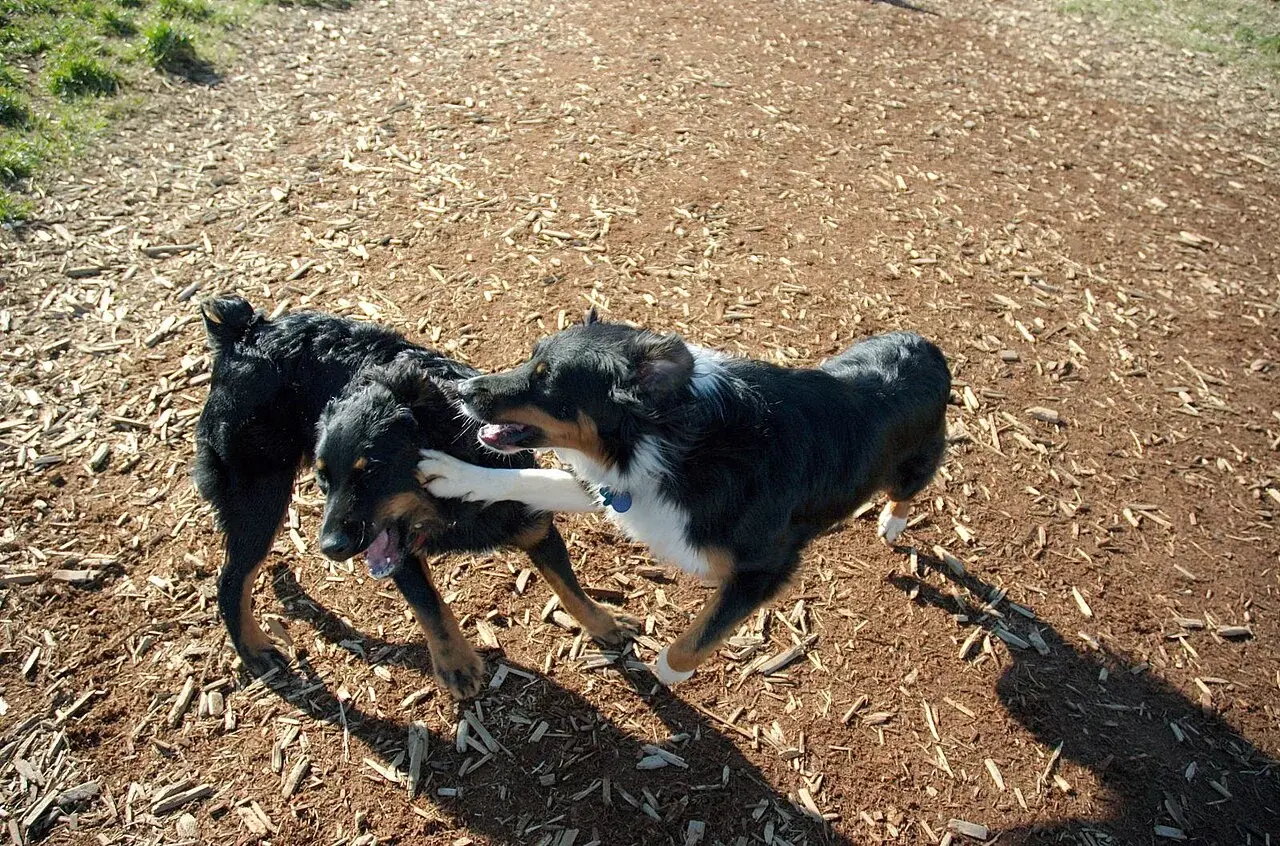
Unstructured gatherings in living rooms and backyards may feel friendly, yet they often invite hidden hazards that neutral ground or guided classes can sidestep.
 Photograph
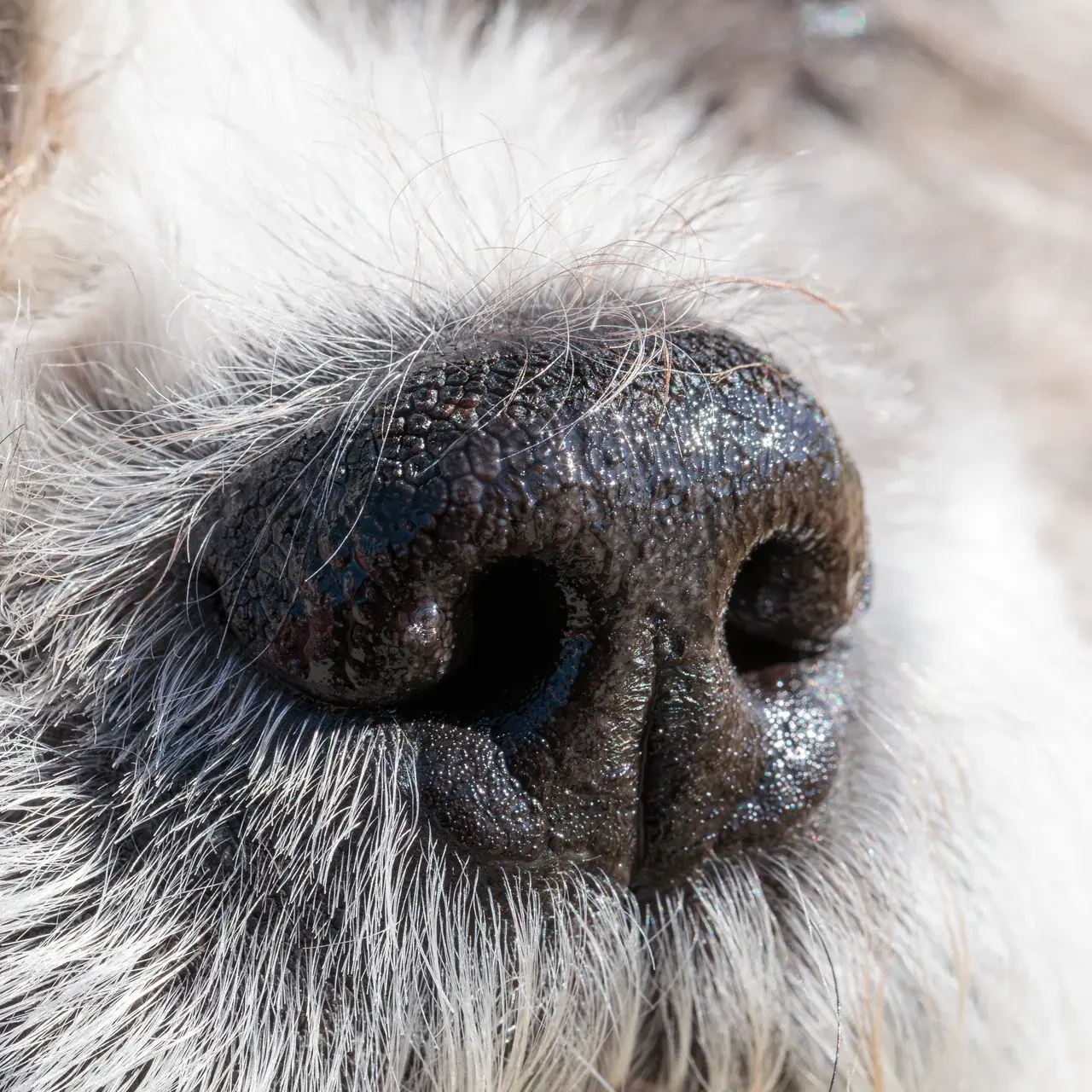
Research shows the number of functional olfactory receptor genes varies among individual dogs, breeds, and their wild relatives, with some patterns linked to physical traits rather than specialized sniffing roles.
 Photograph
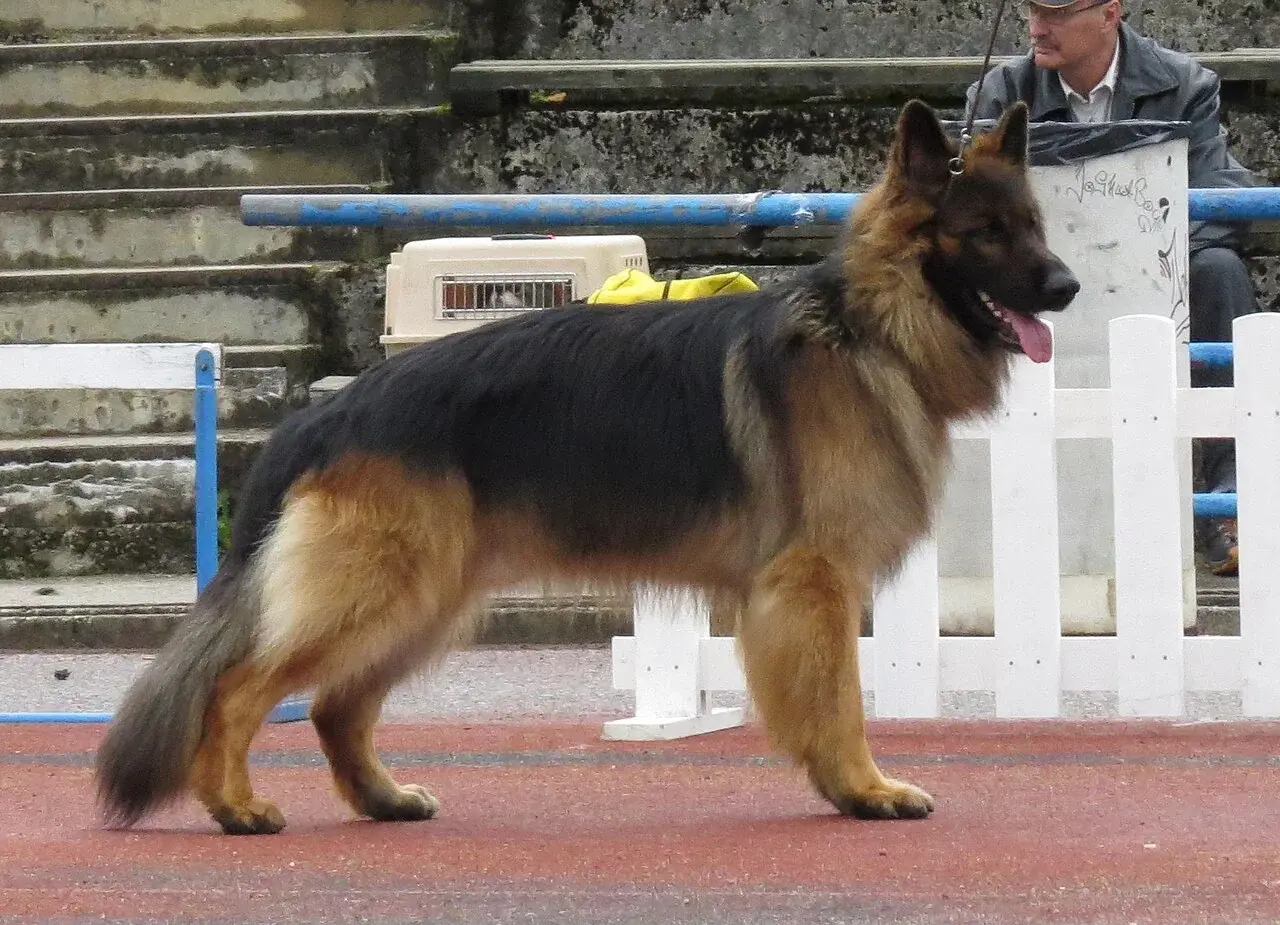
Show-ring ideals that once shaped elegant working lines now often saddle family dogs with health burdens that clash with the everyday joys of companionship.
 Historical collection image
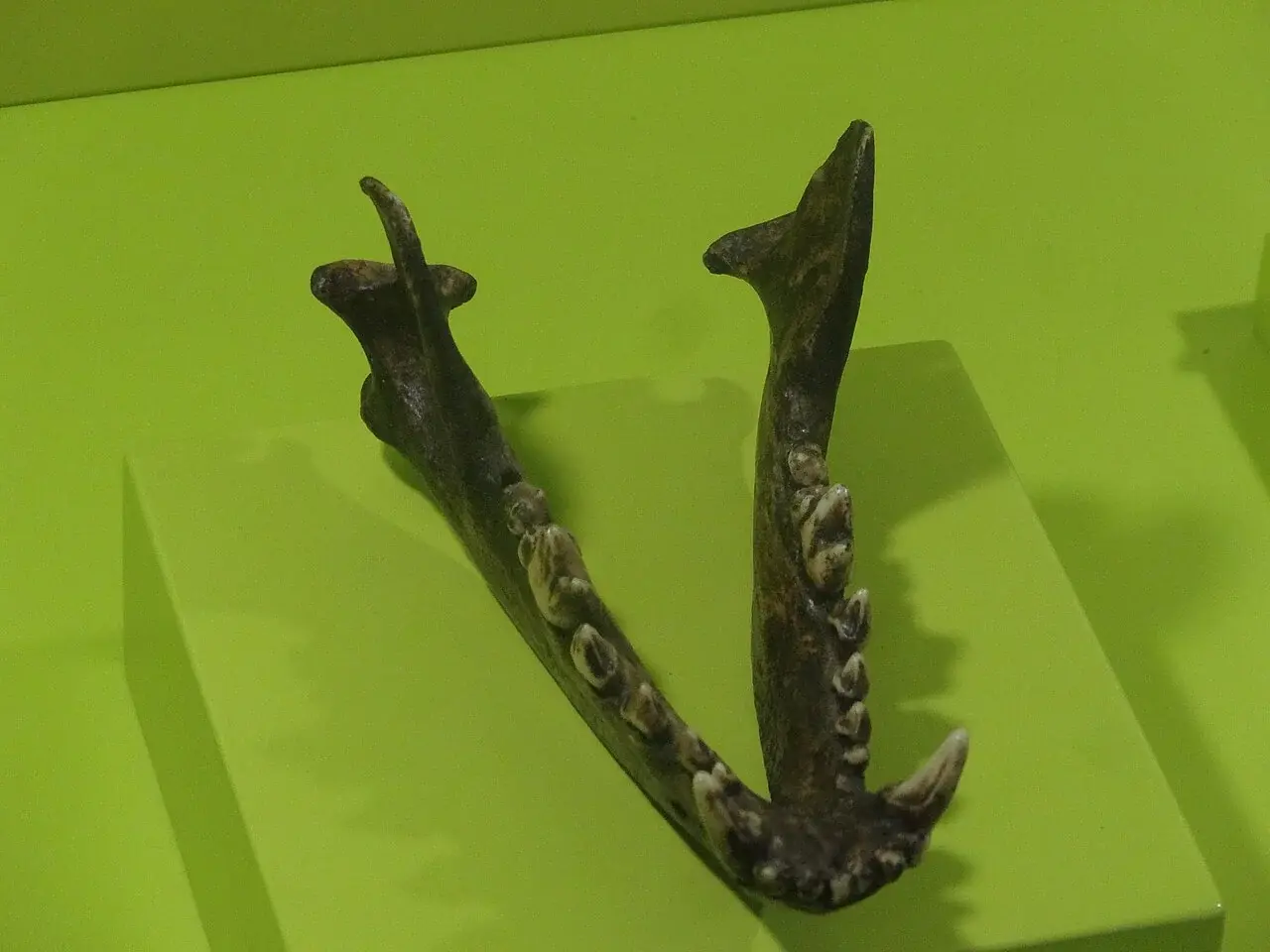
Isotope data and jaw shapes from Mesolithic through Chalcolithic canine remains show how dogs’ feeding patterns shifted alongside changes in human hunting and herding economies.
 Photograph
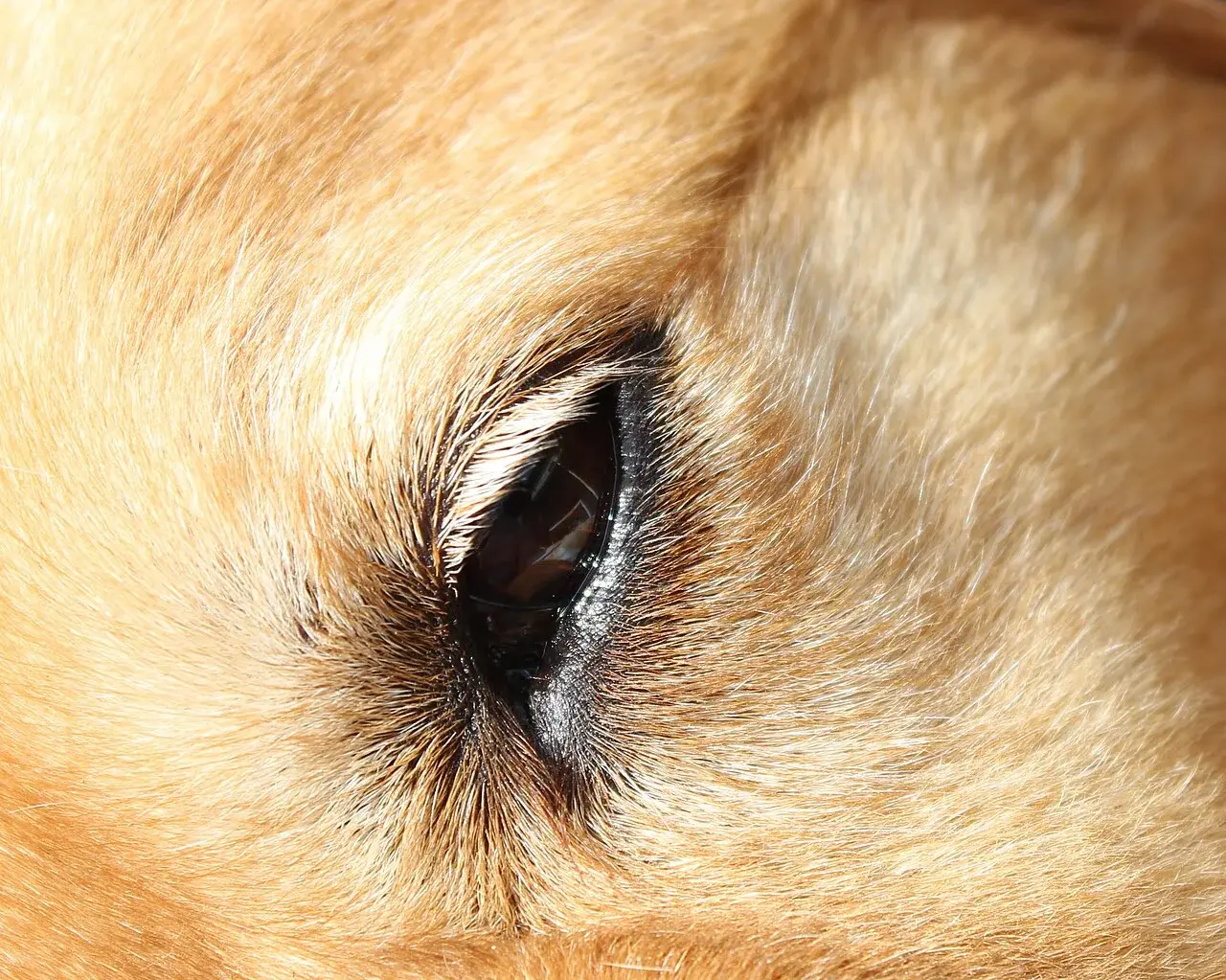
This picture belongs to Xavier Caré. Please credit : Xavier Caré / Wikimedia Commons / CC-BY-SA. If you would like special permission to use, license, or purchase the image please contact me to negotiate terms. I'd appreciate if you could let me know about it or mail me ( xavier.carepm.me) if you want to use this picture out of the Wikimedia project scope. · CC BY-SA 4.0
Centuries of human-guided breeding have shaped canine eyes in ways that can affect vision and disease risk, though the details remain an active area of veterinary study.
 Photograph
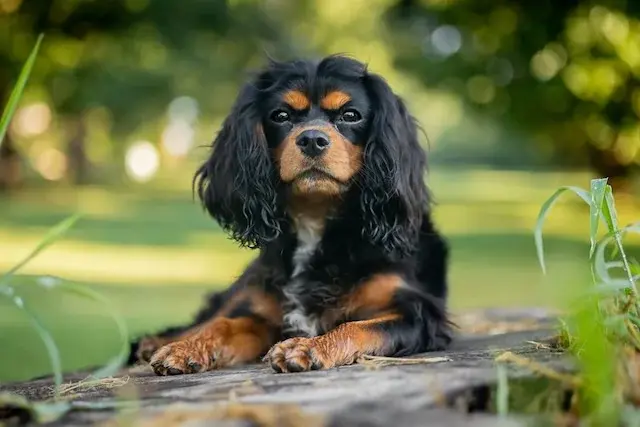
Recent studies of dog genomes show how closed breeding and popular sires have reduced genetic diversity and increased harmful variants in some lines, with clear examples in German Shepherds and Cavalier King Charles Spaniels.
 Photograph
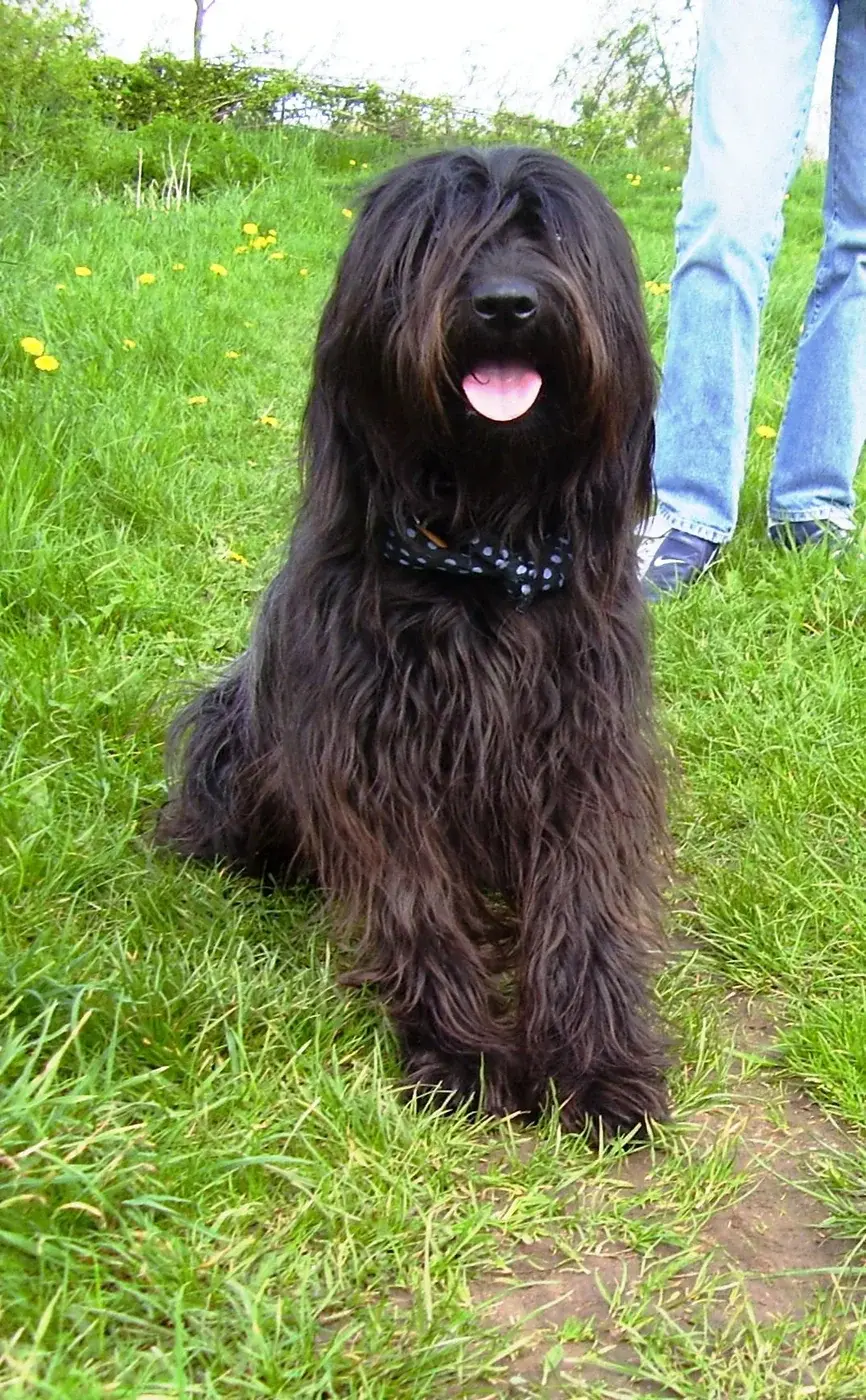
Working dogs demonstrate their skills in public events that highlight ongoing traditions of livestock herding in Catalonia.
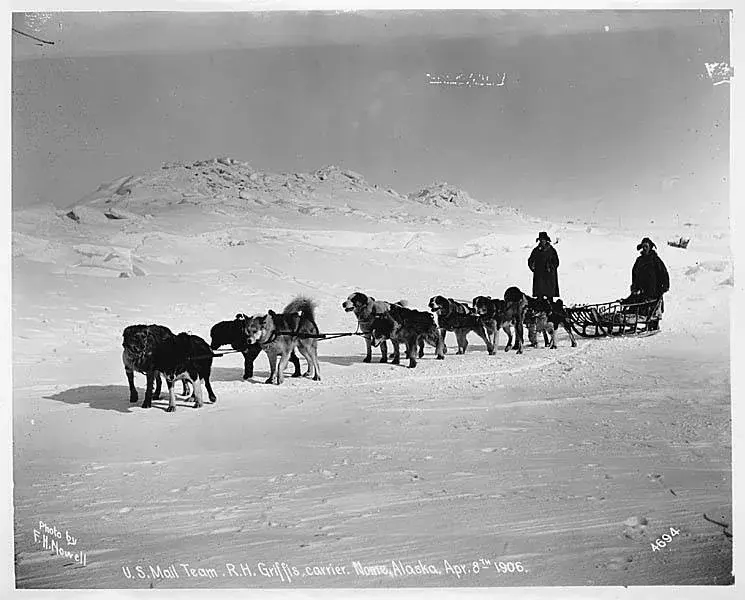 Historical collection image
Frank H. Nowell · Public domain
Centuries-old sledding methods once used to carry mail and supplies across Alaska continue to influence working traditions and cultural pride among northern dog teams today.
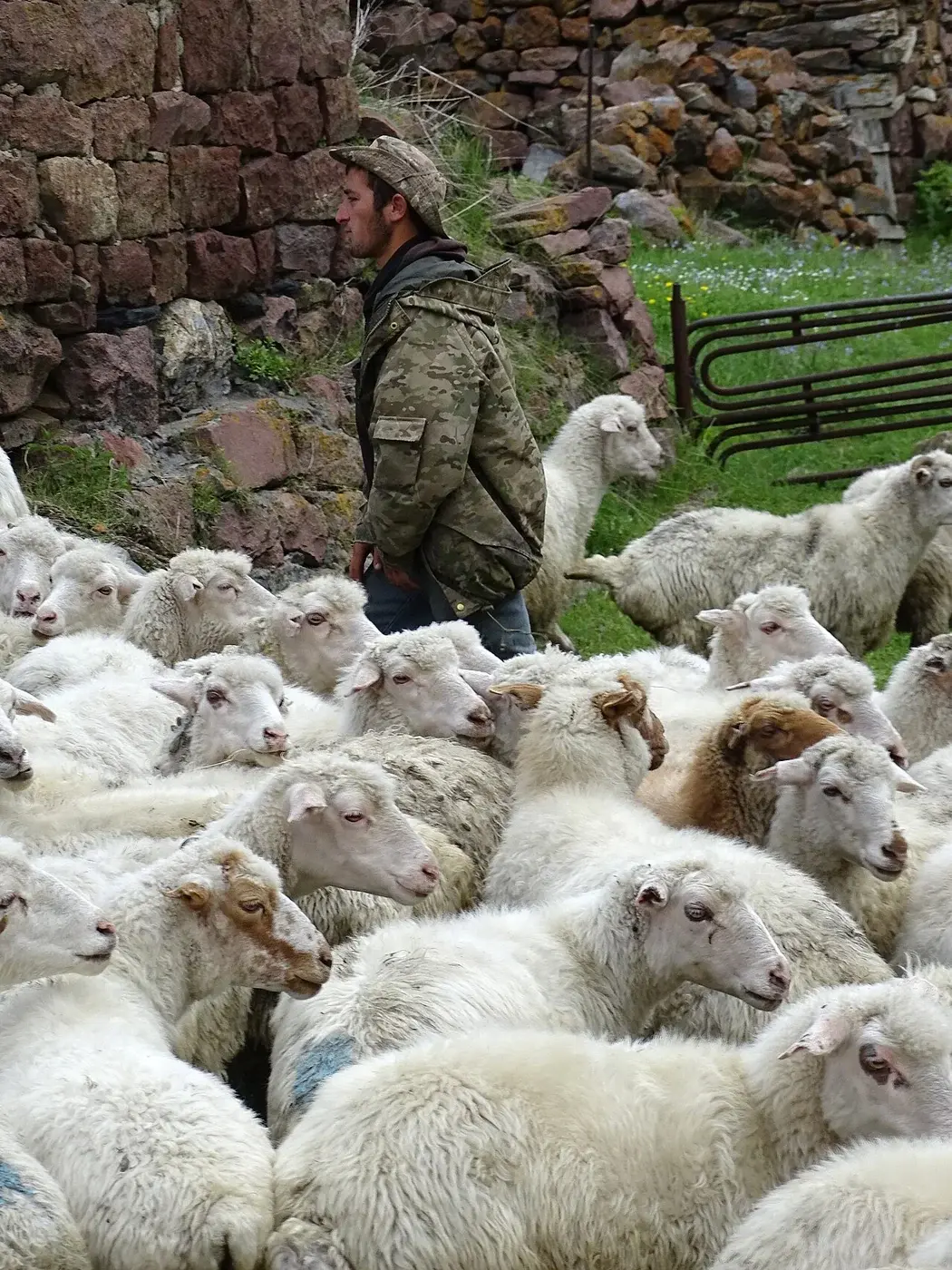 Photograph
Adam Jones from Kelowna, BC, Canada · CC BY-SA 2.0
Georgian shepherds and their dogs follow ancient seasonal movements between high mountain meadows and lowland valleys, with the dogs helping protect flocks from threats during the cycle.
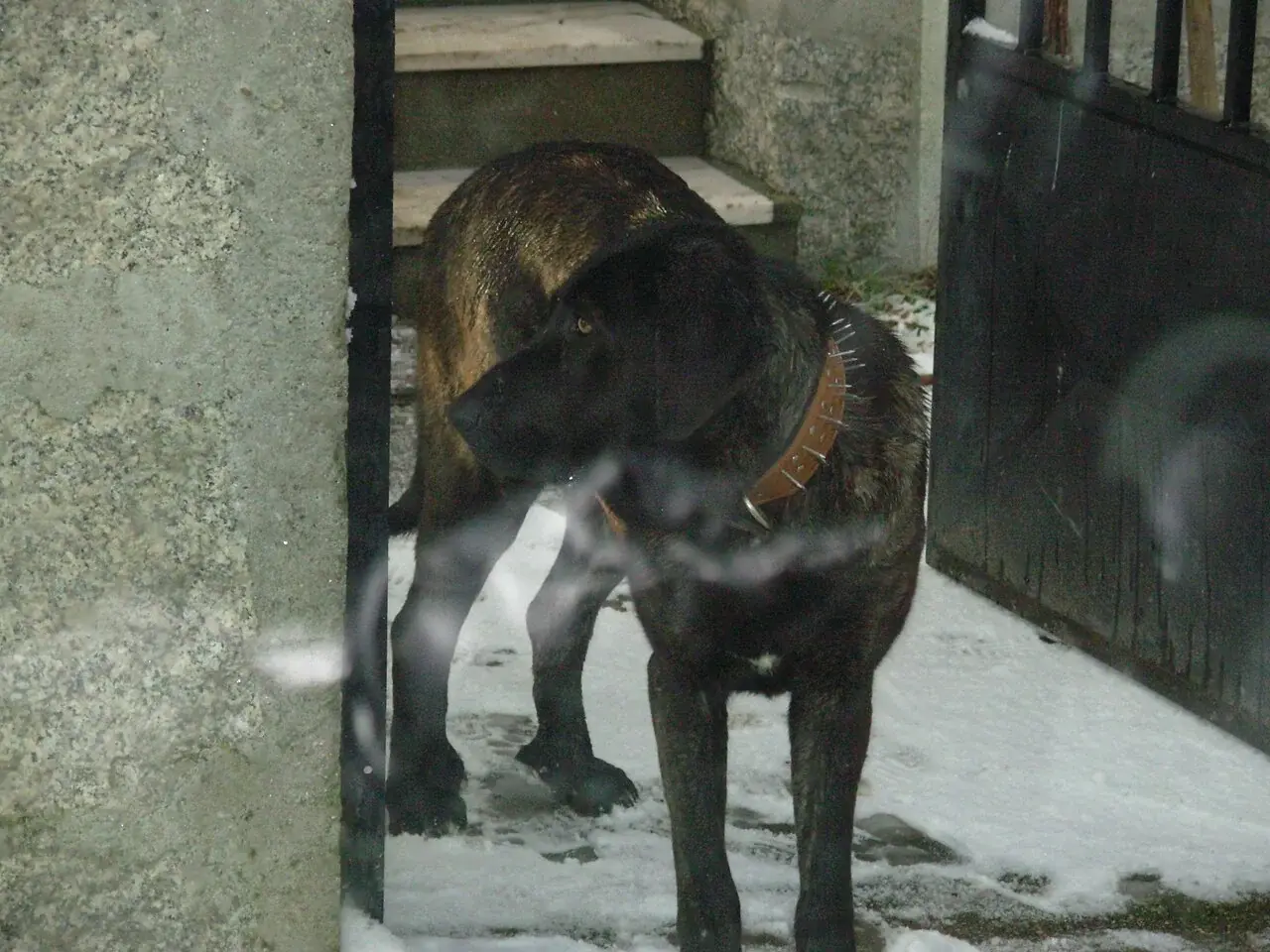 Photograph
Maria Lemos from Porto, Portugal · CC BY-SA 2.0
Native guardian breeds from northern Portugal continue to help farmers and conservationists reduce conflicts between people, livestock, and Iberian wolves.
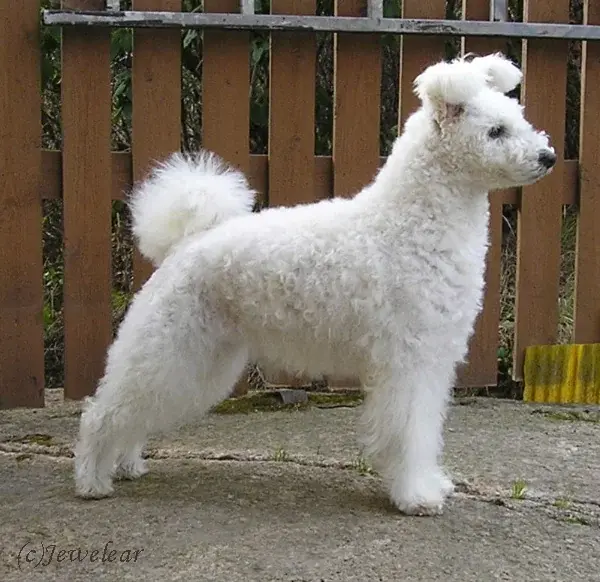 Photograph
Taru T Torpström · CC BY-SA 3.0
Enthusiastic breeders maintain the working abilities of native Hungarian sheepdogs like the Pumi by organizing instinct tests and style-specific trials rooted in shepherding culture.
 Historical collection image
Wild and semi-wild dogs connected to ancient Middle Eastern herding traditions continue to appear in the Negev, where conservationists work to maintain their natural traits amid modern pressures.
 Historical collection image
Nasjonalbiblioteket from Norway · CC BY 2.0
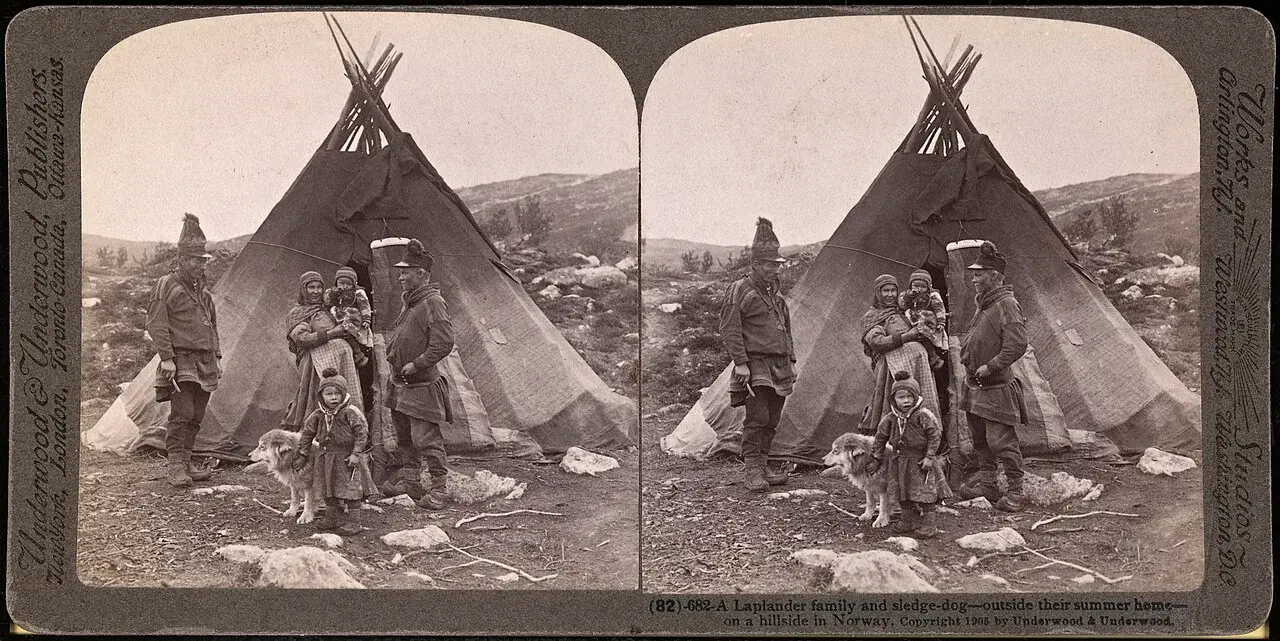
Archaeological and historical evidence shows how small-scale herding practices among the Sámi evolved into larger mobile pastoralism, with dogs later recognized for their contributions to reindeer work.
 Photograph
ToB (2004) · Public domain
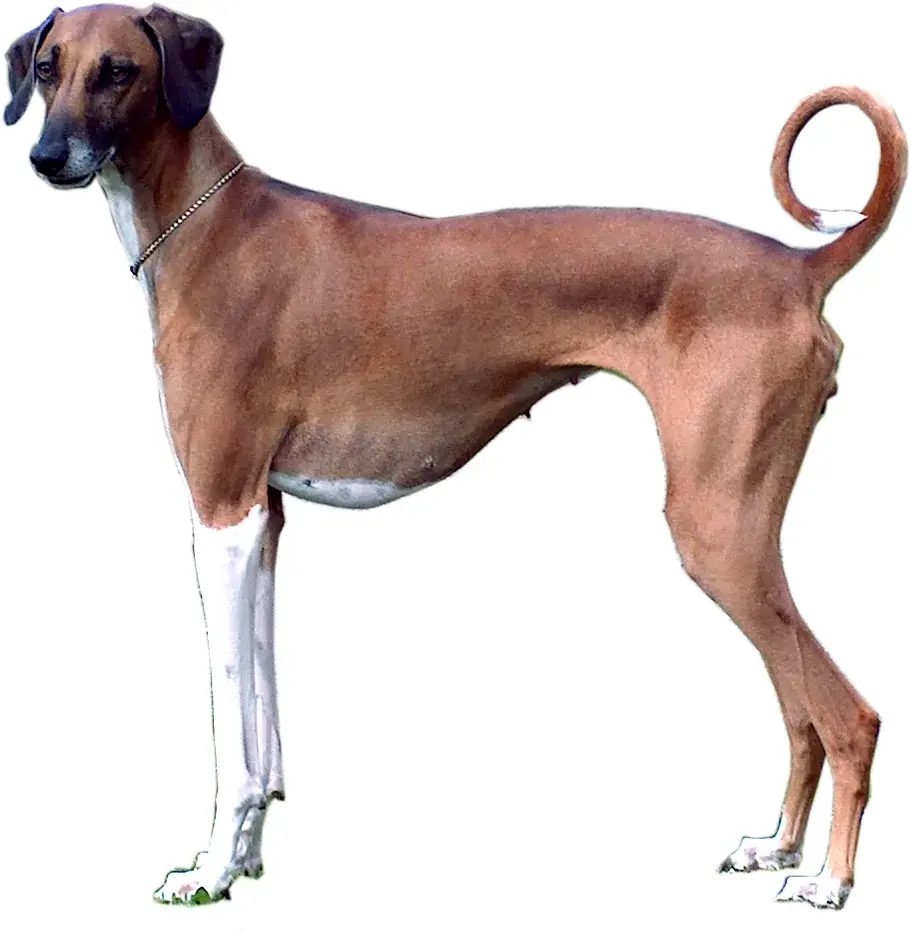
Nomadic communities in the Sahel have long relied on slender hunting and guarding dogs as part of their cattle-herding traditions.
 Historical collection image
Swedish National Heritage Board from Sweden · Public domain
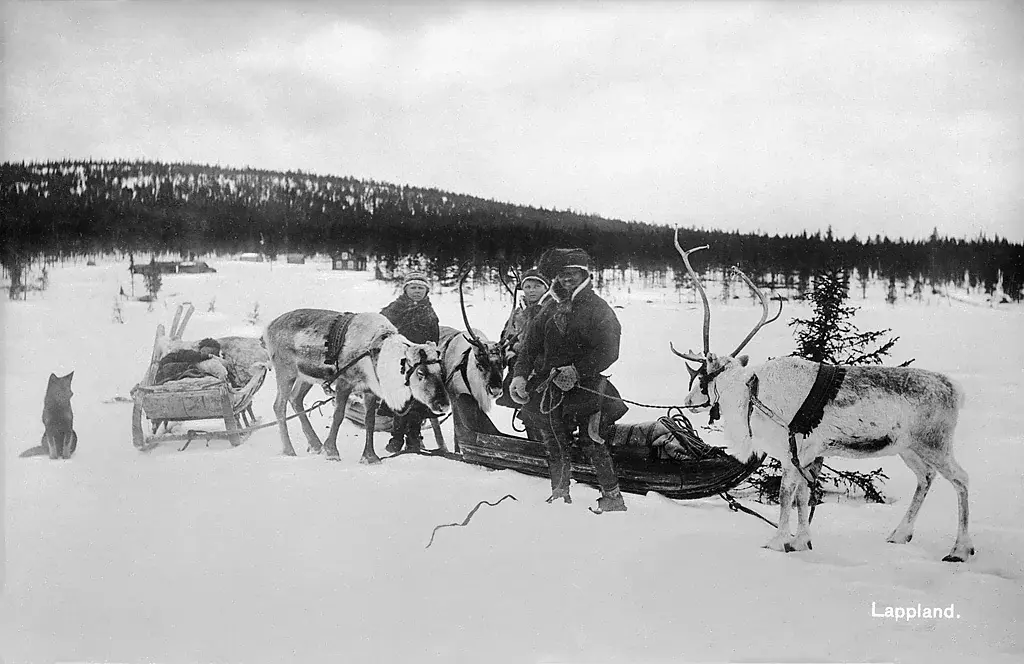
Accounts from the period describe how families in northern Scandinavia relied on working dogs to manage herds, drive animals to pasture, and guard against threats in daily nomadic life.